10 Gardening Mistakes That Are Secretly Destroying Your Plants and Costing You Hundreds
Gardening is meant to be a rewarding hobby, a way to add beauty to your home, and perhaps even to enjoy fresh, homegrown produce. However, many gardeners unknowingly sabotage their efforts and end up spending more money than necessary.
The cycle of replacing dead plants, fixing avoidable issues, and continually purchasing new supplies can drain your wallet. Let’s dive into the 10 most common gardening mistakes that secretly destroy your plants and take a toll on your budget.
Overwatering

Overwatering is often mistaken for the solution to every gardening problem. But in reality, it suffocates roots, prevents oxygen from reaching them, and encourages diseases like root rot. The result? Yellowing leaves, mushy stems, and the eventual death of your plant.
Instead of watering by routine, check the soil moisture by sticking your finger in it. If it’s damp, skip the watering. This simple check prevents unnecessary replacements and keeps your garden healthy.
Planting in the Wrong Location
Plants have specific needs for sunlight, soil, and moisture. When placed in the wrong environment, even the hardiest plants will struggle. Sun-loving plants that are placed in shade will never thrive, and the same goes for shade-loving plants placed under full sun.
Always research the light and soil conditions for your plants before planting. Ensuring the right match can save you the cost of relocation or the expense of replacing dead plants later.
Planting Trees Too Deep
When planting trees, it’s easy to assume that burying the root ball deep into the ground will help it stay stable. But in reality, planting too deeply suffocates the roots, preventing them from accessing oxygen. The root flare, where the trunk meets the roots, should be just above the soil line.
If you plant a tree too deeply, it might not show immediate signs of distress, but years later, you could end up with a weak, struggling tree that will eventually need replacing at a high cost.
Overcrowding Plants

While a lush, full garden may seem ideal, overcrowding can actually create an environment that encourages disease. When plants are too close together, the humidity around them increases, creating the perfect breeding ground for fungi and pests. Plants need room to grow, spread out, and breathe.
By following the recommended spacing on seed packets and allowing for proper air circulation, you’ll reduce the risk of disease and help your garden flourish.
Ignoring Soil Health
Soil is the foundation of any garden, and without proper soil health, your plants cannot thrive. Blindly adding fertilizer without knowing your soil’s nutrient levels can cause imbalances and harm your plants. To avoid wasting money on fertilizers that your soil doesn’t need, conduct a simple soil test.
This inexpensive investment will help you understand the current state of your soil and what it actually requires for optimal plant growth.
Buying Grocery Store Herbs
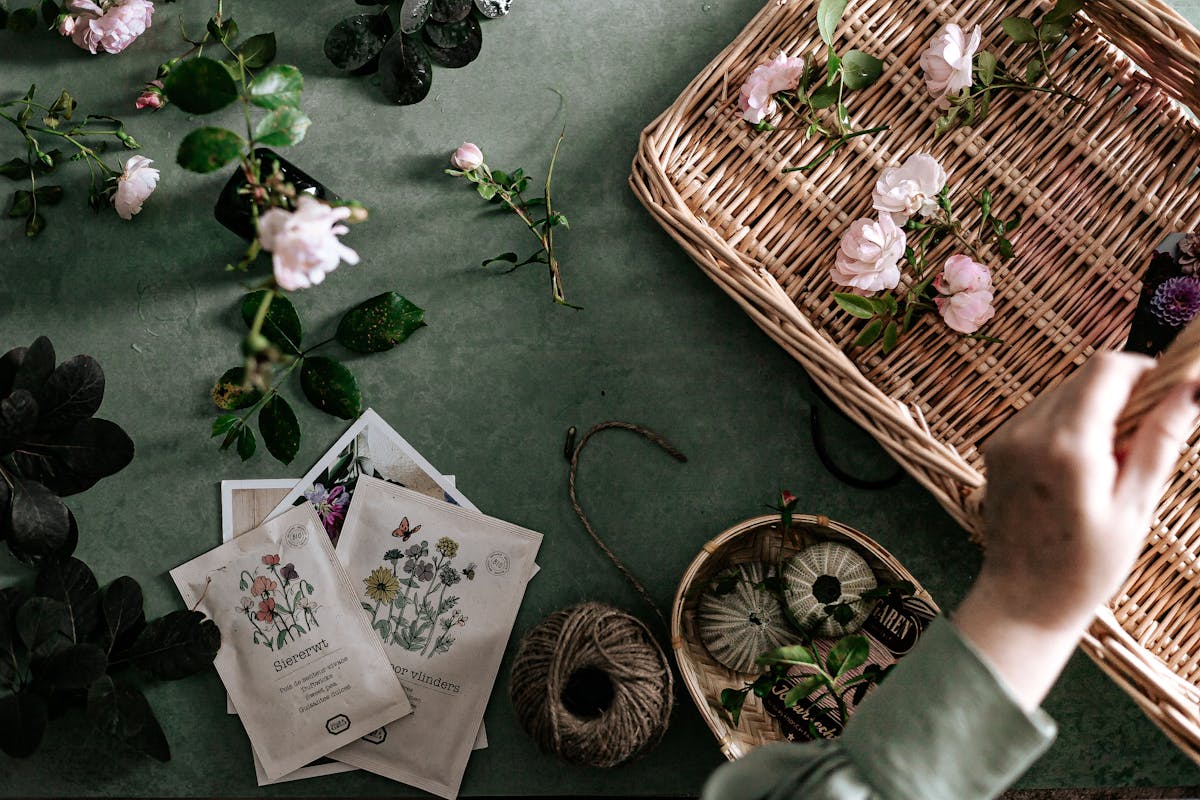
Store-bought herbs often look appealing, but most are overcrowded in small pots and may already be stressed from transportation. They’re meant to be sold quickly and not for long-term success in your garden.
These plants usually lack the strong root systems needed to thrive outside of a controlled environment. Instead of buying them, start herbs from seed. Not only does this cost less, but it also gives you fresh, long-lasting plants with better growth potential.
Planting Too Early
Planting before the last frost has passed might seem like an eager, proactive approach, but it often leads to frost damage or stunted growth. Cold-sensitive plants can suffer from frost stress, which can delay flowering or fruiting.
Make sure to know your local frost dates before planting. If you’re eager to get started early, consider using row covers or cloches to protect your plants from the cold while still allowing them to enjoy a warmer environment.
Using Small Containers
Small containers seem like a good idea for small plants or herbs, but they quickly become a hassle. Small pots dry out faster, require daily watering, and often need more frequent fertilizing. These plants are also more prone to stress from temperature fluctuations and root crowding.
By choosing larger containers, you’ll provide your plants with more room to grow, less maintenance, and fewer replacements over the growing season.
Pruning at the Wrong Time
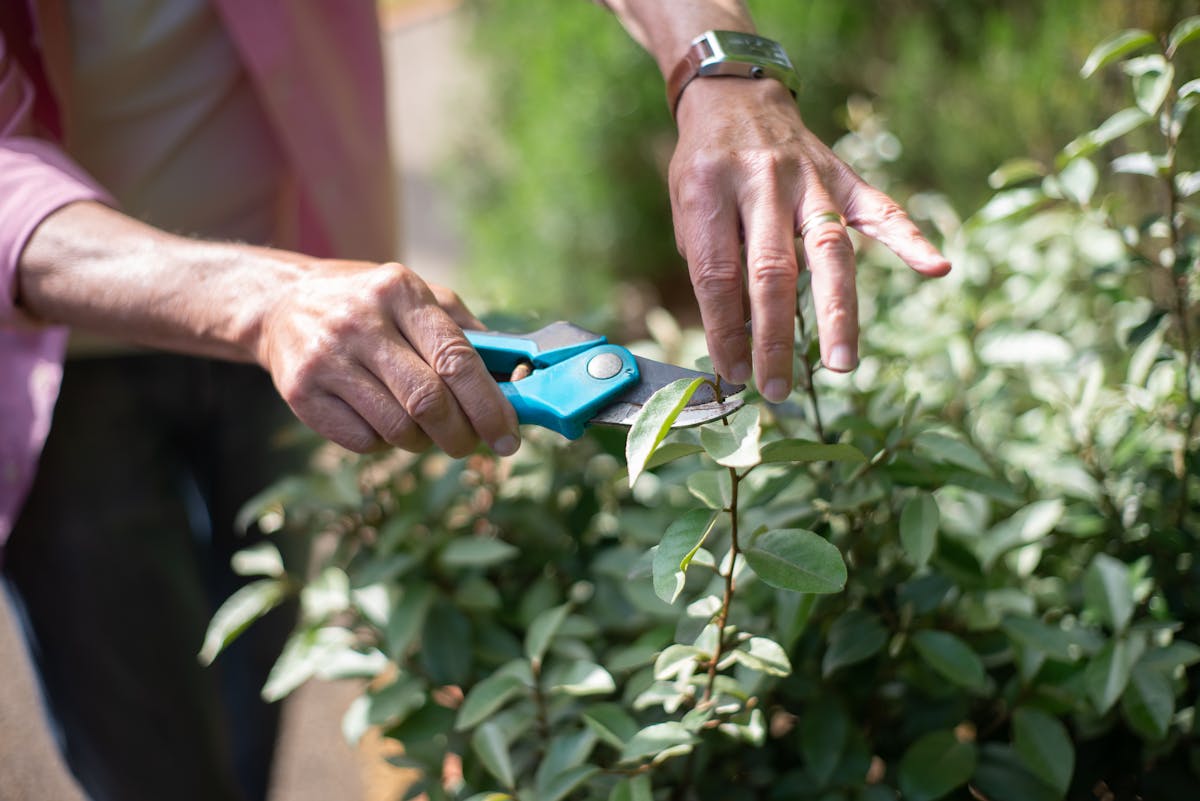
Pruning is essential for maintaining healthy plants, but doing it at the wrong time can set back your garden for months or even years. For example, pruning spring-blooming shrubs like lilacs or azaleas too late can remove the flower buds that formed in the previous season.
Always check the plant’s blooming cycle before pruning. If you prune correctly and at the right time, your plants will bloom beautifully year after year without costly setbacks.
Skipping Mulch
Mulch is one of the simplest yet most effective ways to improve your garden. It helps retain moisture, reduces weeds, and adds nutrients to the soil. Without mulch, your garden’s soil will dry out faster, and you’ll find yourself spending more on water and weeding.
Mulch also insulates plant roots from extreme temperatures. Using a 2-3 inch layer of organic mulch around your plants will save time, reduce costs, and promote healthy growth.
Conclusion
By avoiding these common gardening mistakes, you can save hundreds of dollars and enjoy a healthier, more productive garden. From overwatering to poor pruning and planting in the wrong location, these mistakes are easy to fix with a little knowledge and effort.
A well-planned garden will not only look beautiful but also thrive, saving you money on replacements and care. So, take your time, research your plants, and reap the rewards of a thriving, budget-friendly garden.