9 Cookie Mistakes That Ruin the Texture
Cookies look simple until they come out of the oven too flat, too hard, too cakey, too greasy, or strangely crumbly. A good cookie is all about texture, and that texture depends on small choices that happen long before the first bite. The wrong butter temperature, a rushed dough, or an overloaded baking sheet can turn a promising batch into a disappointing tray of sweets.
The good news is that most cookie problems are easy to fix once you know what caused them. Baking rewards patience, precision, and a little kitchen discipline. If your cookies never turn out quite the way you imagined, these common mistakes may be quietly stealing the soft center, crisp edge, or chewy bite you hoped for.
Using Butter at the Wrong Temperature
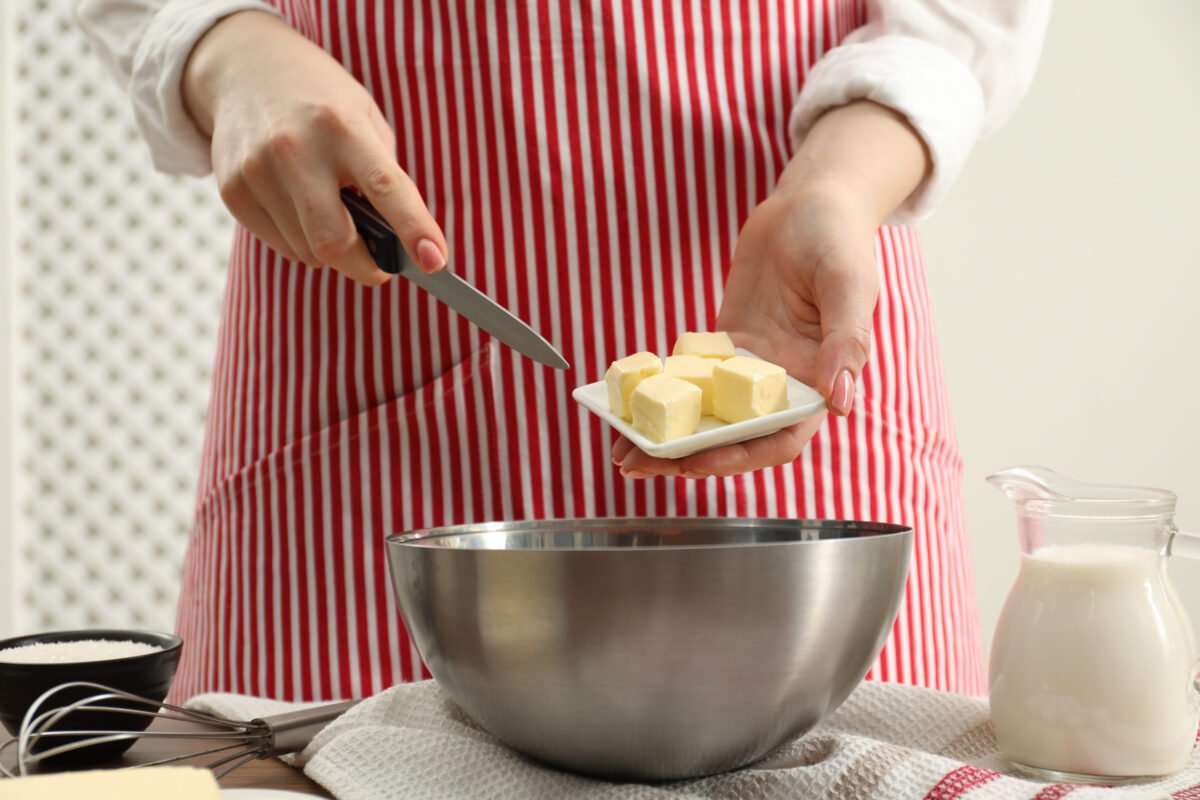
Butter controls flavor, spread, and tenderness, so its temperature matters more than many home bakers realize. If the butter is too cold, it will not cream properly with the sugar, leaving the dough dense and uneven. If it is melted when the recipe calls for softened butter, the cookies may spread too much and turn greasy around the edges.
Softened butter should feel cool but flexible. You should be able to press it with a finger and leave a slight dent without it collapsing into a shiny puddle. When butter is at the right stage, it traps air during mixing, helping cookies bake with better structure and a more pleasing bite.
Overmixing the Dough
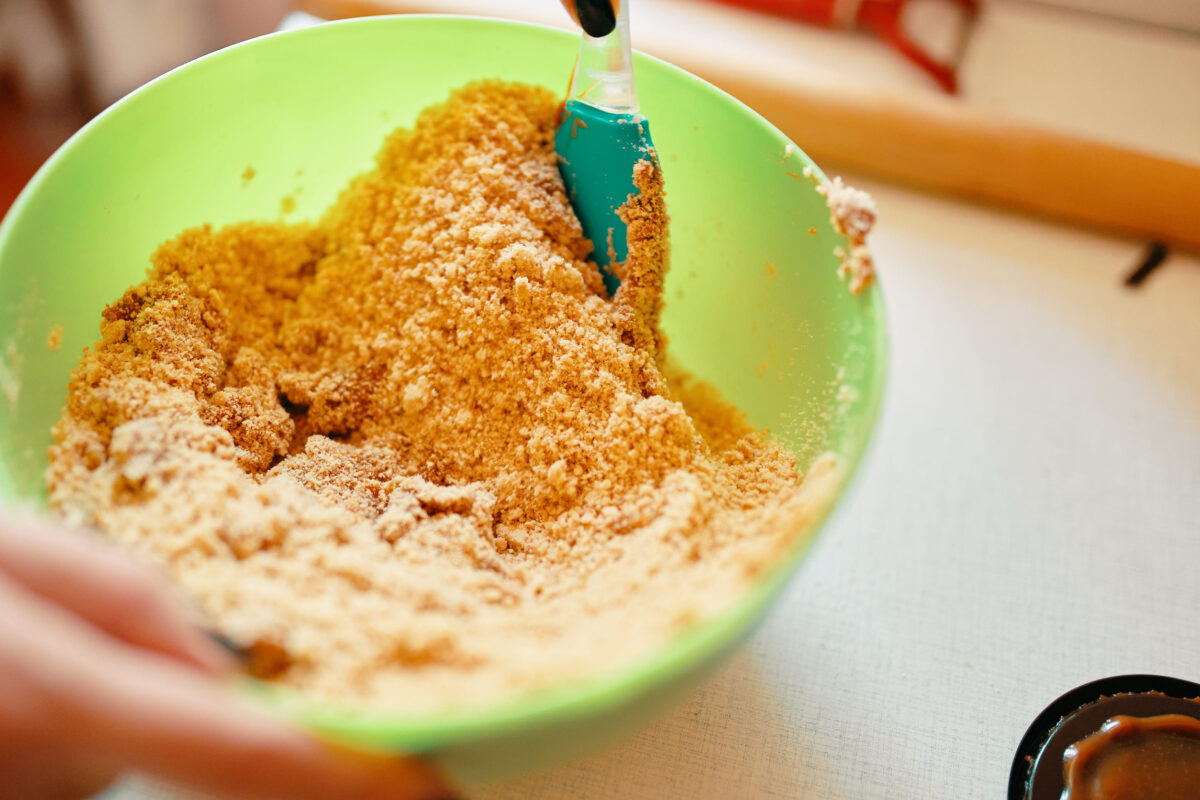
Cookie dough does not need a workout. Once flour enters the bowl, overmixing can develop gluten, making cookies tougher than they should be. That is how a soft, tender cookie can become chewy in the wrong way, with a texture closer to bread than to dessert.
The key is to mix only until the flour disappears. A few streaks near the end are better than beating the dough until it looks perfectly smooth. Cookie dough should look combined, not whipped into submission.
Measuring Flour Carelessly
Too much flour is one of the fastest ways to ruin cookie texture. Scooping flour straight from the bag with a measuring cup can pack it down, adding more flour than the recipe intended. That extra flour makes cookies dry, thick, chalky, and crumbly.
For better results, fluff the flour first, spoon it into the measuring cup, and level it off gently. Even better, use a kitchen scale when possible. Baking is less forgiving than cooking, and flour is one ingredient where guessing can cost you the entire batch.
Skipping the Chill Time
Chilling cookie dough may feel like an annoying delay, but it can completely change the final texture. Warm dough spreads quickly in the oven, often resulting in thin, flat cookies with oily edges. Chilled dough holds its shape longer, giving the cookies time to set before they collapse.
Resting the dough also gives the flour time to absorb moisture and the flavors time to deepen. That means better chew, richer taste, and a more balanced cookie. If a recipe asks for chilling, it is usually not a suggestion. It is part of the texture plan.
Baking on a Hot Tray
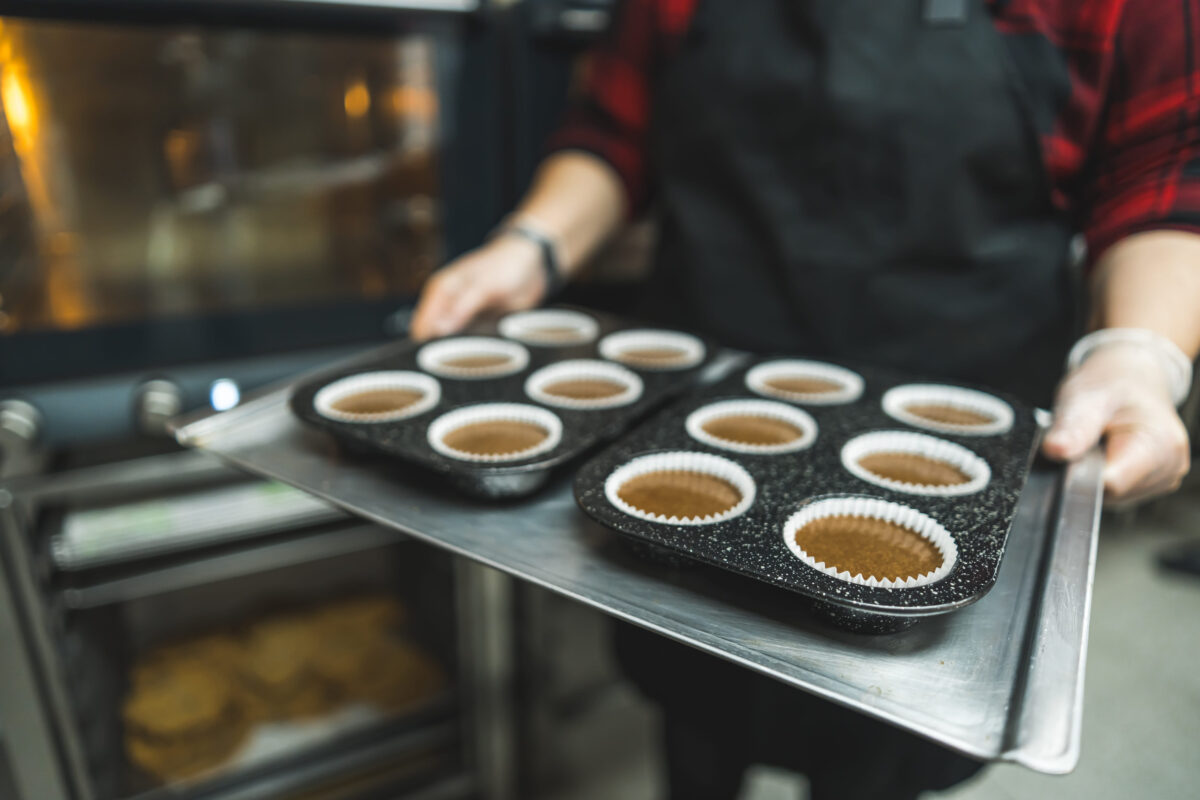
A hot baking tray can sabotage the next batch before it even reaches the oven. When the dough lands on a warm surface, the butter begins to melt immediately. By the time the tray goes back into the oven, the cookies may already be spreading too fast.
This mistake often explains why the first batch looks beautiful and the second one looks thin and messy. Let the baking sheets cool between batches, or rotate them between two trays. Cookie dough needs a cool start to achieve a controlled spread and an even texture.
Ignoring Egg Temperature
Eggs help bind the dough, add moisture, and affect the way cookies rise and set. Cold eggs can make butter firm up during mixing, which creates uneven dough and a patchy texture. Room temperature eggs blend more smoothly and help create a more consistent cookie.
This does not mean eggs need to sit out for hours. A short rest on the counter is often enough. You can also place whole eggs in a bowl of warm water for a few minutes if you forgot to take them out earlier.
Overbaking Until Cookies Look Done
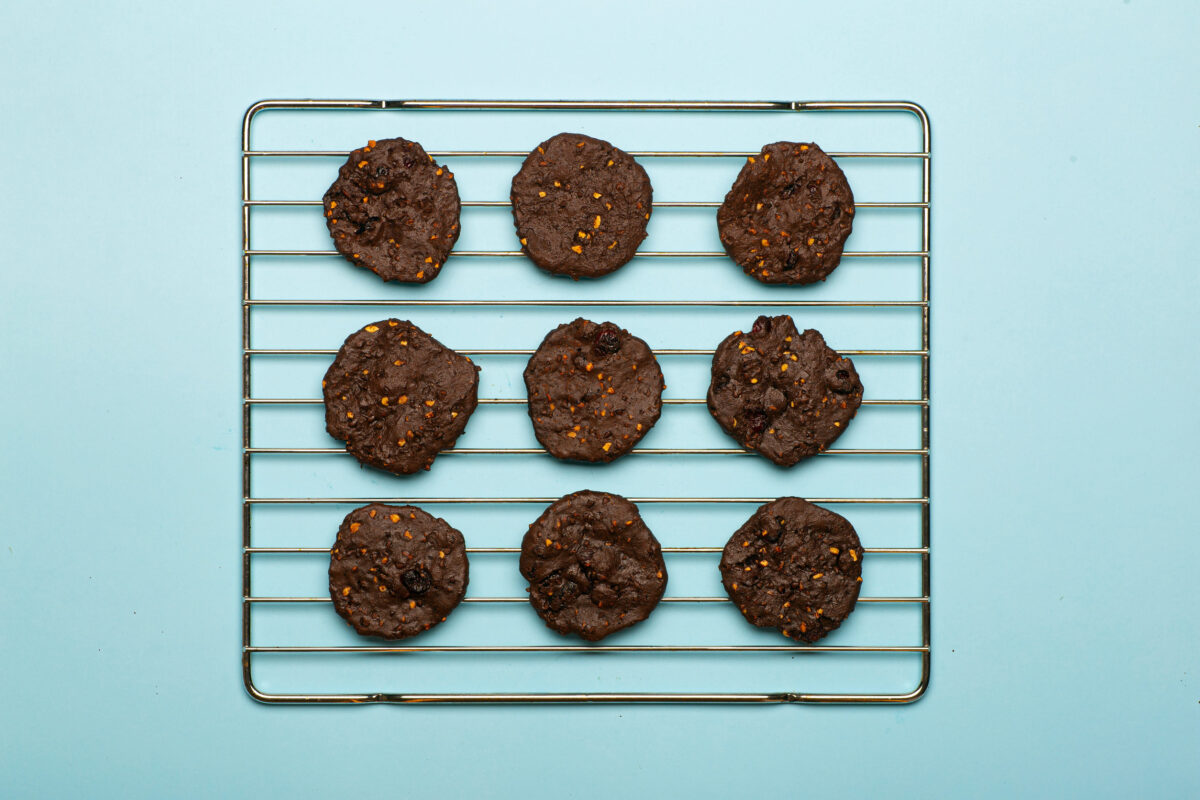
Cookies keep baking after they leave the oven. That is why waiting until they look fully firm can leave you with cookies that turn hard as they cool. The centers should often look slightly soft, pale, or even a little underdone when you pull the tray out.
The residual heat finishes the job on the baking sheet. This is especially important for soft and chewy cookies. If you want a tender center, trust the timing and remove the cookies before they look completely set.
Crowding the Baking Sheet
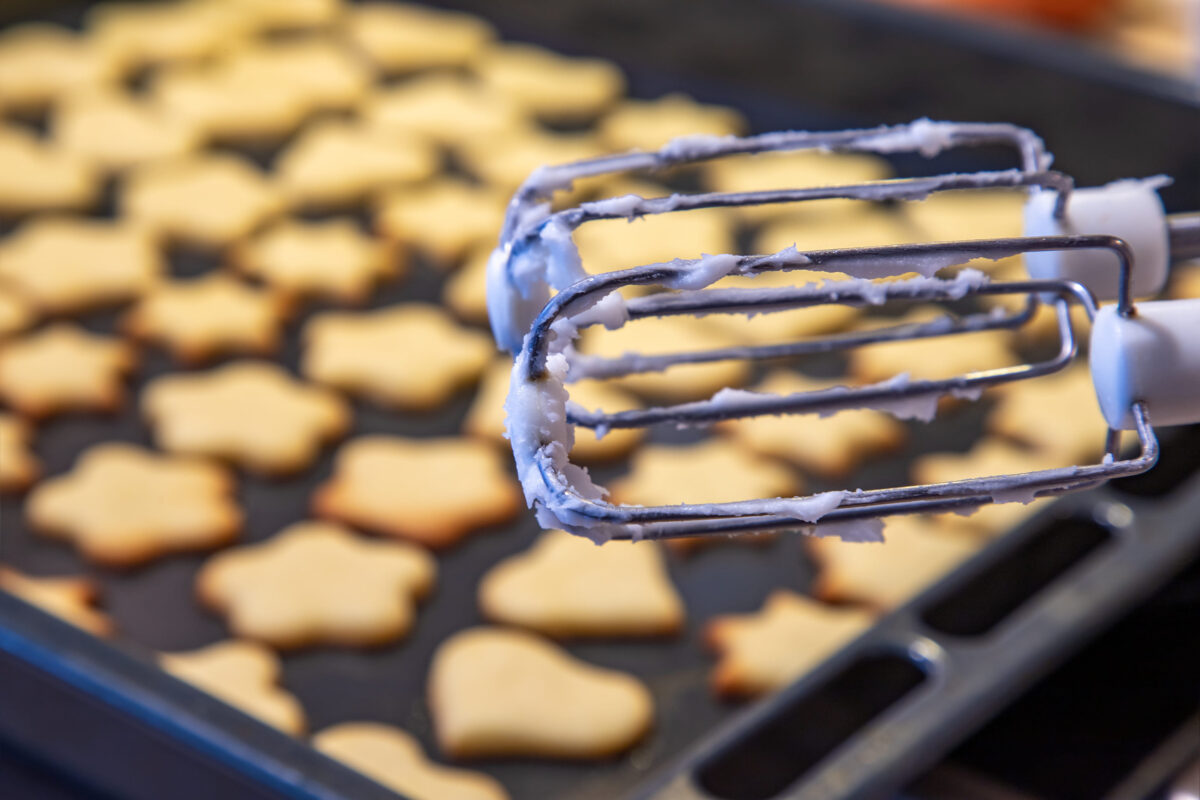
Cookies need space to spread, breathe, and bake evenly. When dough balls sit too close together, they can run into each other and bake into uneven shapes. Crowding also affects air circulation, leaving some cookies pale and soft while others overbrown around the edges.
Give each cookie enough room to expand. A few extra minutes spent baking in separate batches is better than one crowded tray of uneven results. Texture depends on heat moving properly around each cookie, and that cannot happen when the pan is packed too tightly.
Using the Wrong Baking Sheet
Not all baking sheets behave the same way. Dark pans absorb more heat and can brown the bottoms too quickly. Thin trays may heat unevenly, leaving cookies with burned edges and underbaked centers. Shiny, light colored baking sheets usually offer more control for classic cookies.
Lining the tray also matters. Parchment paper helps prevent sticking and promotes even baking. Greasing the pan when the recipe does not call for it can cause the cookies to spread too much, leaving them flat and greasy rather than soft and structured.
Conclusion
Cookie texture is built through small decisions, not luck. The way you soften butter, measure flour, chill dough, space cookies, and judge doneness all shape the final bite. One mistake may seem minor, but several small mistakes together can turn a promising batch into dry, flat, tough, or greasy cookies.
The best cookies come from slowing down and respecting the details. Let the dough rest when needed, keep trays cool, measure carefully, and remove cookies before they look fully finished. Once you understand these texture-ruining habits, every batch becomes easier to control, and homemade cookies start tasting the way they should: soft where they should be soft, crisp where they should be crisp, and delicious from edge to center.