Planet in Peril: Experts warn 2026 Could Trigger Global Catastrophe
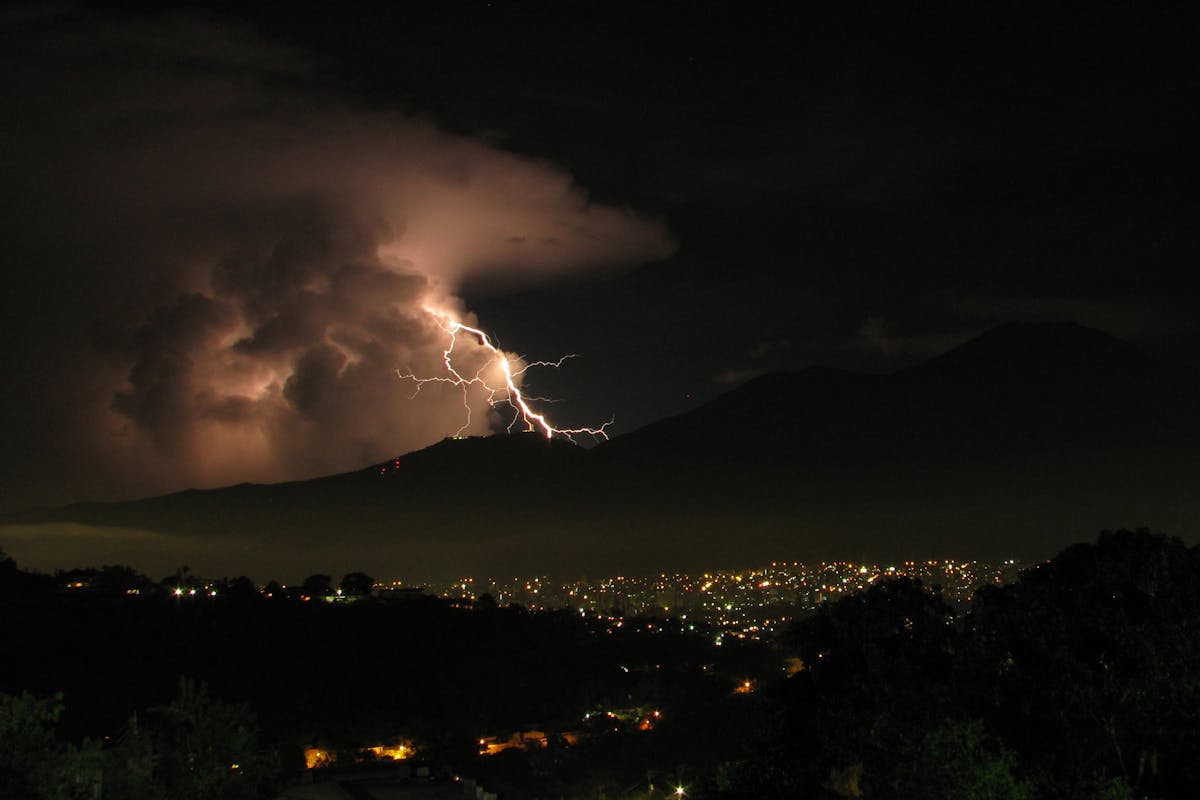
Humanity is on a stark warning track. Leading climate experts are increasingly sounding alarms that 2026 may mark the onset of cascading environmental impacts that could fundamentally reshape how we live, grow food, and share the planet. This is not speculative or distant. Extreme weather events, record-breaking heat, prolonged droughts, destructive floods, and overstressed ecosystems are poised to accelerate in ways governments, cities, and societies are woefully unprepared to manage. The coming year is emerging as a pivotal tipping point, one where natural and human systems may collide with unprecedented consequences.
The alert comes from global meteorological organizations and climate agencies predicting a strong and early return of El Niño, the Pacific weather pattern known for amplifying climate extremes.
Climate models suggest a high likelihood that El Niño will emerge by mid-2026 and persist through the end of the year, dramatically increasing the risk of unprecedented heatwaves, intense rainfall, and severe droughts worldwide.
Unlike past cycles, the current baseline of elevated global temperatures may amplify these effects, creating a perfect storm for climate instability.
Why El Niño Matters and Why This One Could Be Worse

El Niño disrupts rainfall, temperature, and wind patterns on a global scale. Historically, it has triggered severe droughts across Asia, Africa, and South America, produced heavy flooding in other regions, fueled unusually strong heatwaves, and increased the frequency of tropical storms in vulnerable areas.
Scientists warn that, combined with the existing heat trapped in the atmosphere by decades of greenhouse gas emissions, the coming cycle could surpass the intensity and reach of previous El Niño events.
Crops may fail in regions already facing chronic water scarcity, water supplies could dwindle in urban centers, and infrastructure, from roads to power grids, could buckle under the pressure of extreme weather. The warnings are stark, but the implications are immediate: societies must prepare or risk severe disruption.
Heat Records and Broken Climate Limits
Even before El Niño reaches its peak, global temperatures are accelerating at alarming rates. Meteorologists predict that the months ahead could shatter heat records in multiple regions, creating conditions that strain electrical grids, fuel massive wildfires, accelerate glacier and ice-sheet melt, degrade air quality, and spike heat-related illness and mortality.
Cities in North America, Europe, Asia, and Africa could experience temperatures beyond historical extremes, forcing governments and communities to scramble for emergency measures to protect vulnerable populations. Rural regions, heavily dependent on predictable weather patterns for agriculture, will likely see extreme stress on crops, livestock, and water resources.
The growing intensity of heat waves signals a planet edging toward thresholds that human settlements have never had to navigate before.
Droughts, Floods, and Food Security Risks

Beyond extreme heat, shifting rainfall patterns threaten global food security. Droughts can devastate staple crops in climate-sensitive regions, while heavy rains can destroy fields, erode topsoil, and disrupt transportation networks essential for moving goods.
Millions of people, especially those living in low-income or agriculturally dependent regions, face the looming threat of food shortages, rising prices, and disrupted livelihoods. Regions that rely on regular wet and dry seasons for farming may encounter conditions they have never faced, forcing both governments and communities to make rapid, difficult adjustments to protect populations.
Food security in 2026 may hinge as much on climate stability as on economic policy or trade.
Ecosystems Under Strain
Rising global temperatures and extreme weather events are placing immense stress on natural ecosystems. Coral reefs are experiencing widespread bleaching events, forcing marine species to relocate or perish.
Forests, wetlands, and grasslands that historically acted as buffers against flooding and stored carbon are weakening. Ice sheets in Greenland and Antarctica continue to shrink, contributing to sea-level rise and increasing the vulnerability of coastal regions.
Species migration, habitat loss, and biodiversity declines are accelerating, creating risks not only for wildlife but also for human societies that depend on these ecosystems for food, water, and environmental stability. The ecological consequences of 2026 could have long-term ripple effects that extend well beyond the year itself.
Heat Is Not the Only Danger
Scientists emphasize that climate impacts are interconnected with other global risks, including political instability, economic inequality, water scarcity, and public health challenges. A single system’s failure, whether ecological, agricultural, or infrastructural, can cascade into others, producing compounding crises with global repercussions.
For instance, drought-driven food shortages could spark regional unrest, while flooding could cripple transportation networks critical to trade and emergency response. The interlinked nature of these threats makes proactive preparation essential, rather than reactive crisis management once disasters are already underway.
What 2026 Could Look Like

If predicted patterns hold, 2026 could deliver record-breaking heatwaves, prolonged droughts, widespread flooding, harvest failures, and ecological collapse in vulnerable regions. Extreme climate events may transition from exceptional anomalies to regular occurrences, fundamentally affecting health, infrastructure, economies, and human mobility on an unprecedented scale.
Communities may see rising insurance premiums, declining crop yields, and higher utility costs, while governments face the dual challenge of protecting populations and maintaining essential services under conditions for which many systems were never designed. The world is approaching a convergence of natural and human-driven stressors that could redefine normalcy in 2026.
Action or Aftermath?
Despite urgent warnings, global political and economic responses remain fragmented. Experts insist on accelerating transitions to renewable energy, strengthening early warning systems, expanding climate resilience planning, and implementing immediate greenhouse gas reductions.
Delay, hesitation, or insufficient action could mean the difference between adaptation and catastrophe. The challenge is massive, but the message is clear: humanity must act decisively before these extreme patterns cement themselves into permanent, irreversible crises.
For 2026 and beyond, the evidence is indisputable: the planet is entering a critical phase where natural patterns and human-driven warming intersect, creating compounded global climate impacts. Recognizing this is not a call to panic; it is a call to action.
By confronting reality decisively and proactively, the world still has an opportunity to mitigate the worst consequences before the full weight of climate extremes reshapes life on Earth forever.