7 Reasons Botox After Pregnancy Can Become a Beauty Decision You Regret
Motherhood already comes with enough mirrors. There is a bathroom mirror that catches the dark circles. The phone camera that suddenly feels rude. The car window reflection that makes you wonder when your face started looking like it joined the night shift.
So yes, the idea of Botox after pregnancy can feel tempting, especially when your skin looks tired, and your body still feels like it belongs to three different people.
But postpartum beauty is not a casual shopping cart moment. Botox may look like a quick reset, but after pregnancy, every choice sits inside a bigger picture.
Your body is healing, your hormones are shifting, your sleep is broken, and if you are breastfeeding, your baby is still connected to your body in a very real way.
That does not mean Botox is evil. It means the decision deserves more than a cute clinic ad and a discounted appointment slot.
The Breastfeeding Question Is Too Important to Brush Off
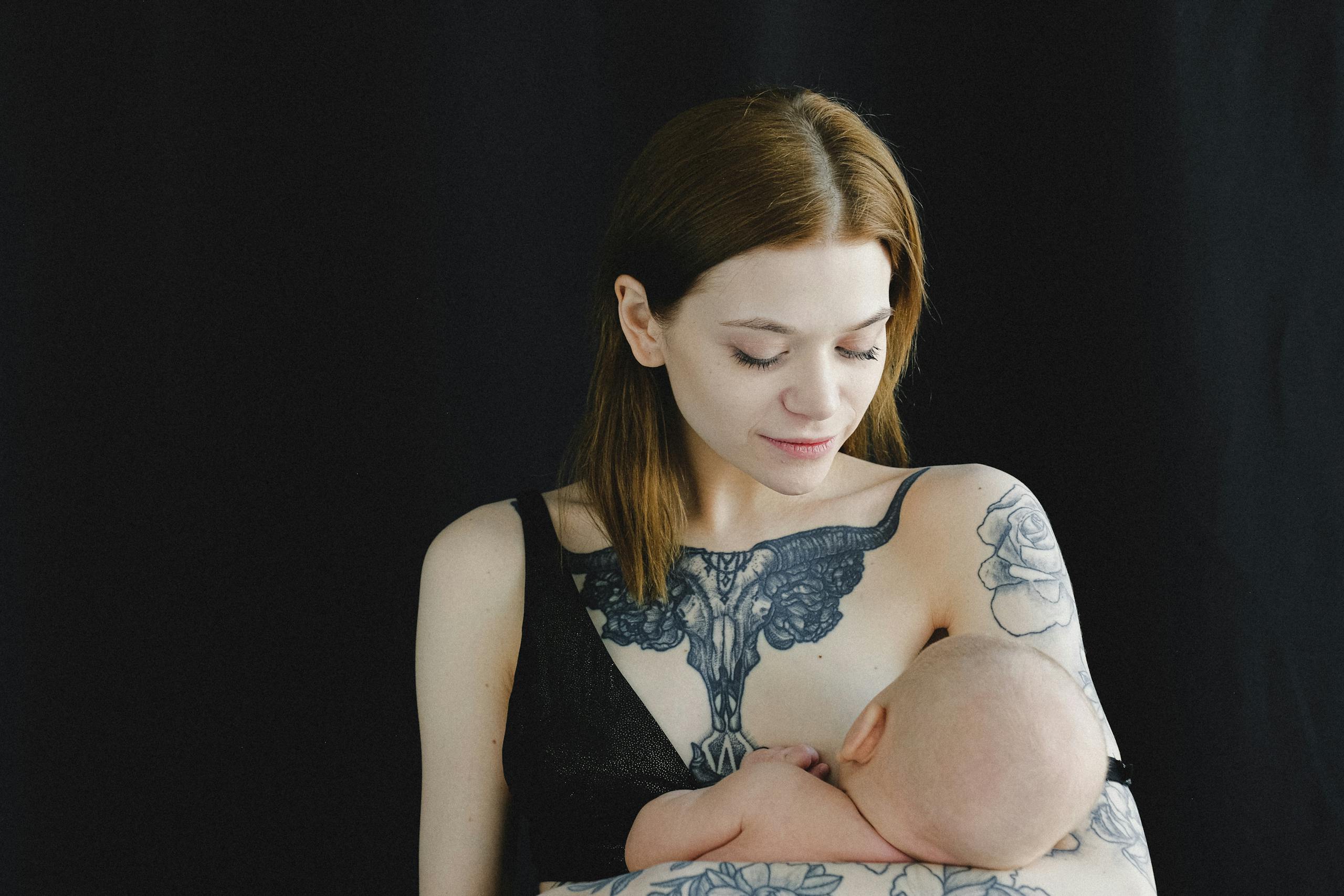
Botox after pregnancy becomes more complicated when breastfeeding enters the picture. A mother may want smoother skin, but she also wants to know that nothing in her body could affect her baby through breast milk.
That is where the conversation gets uncomfortable because the available research remains limited. Some experts suggest that cosmetic Botox stays mostly local and is unlikely to transfer into milk in meaningful amounts, but “unlikely” is not the same as “fully proven.”
That gap matters because new mothers already carry enough worry. A treatment that seemed harmless can suddenly become a mental loop of checking the baby’s feeding, sleep, mood, and breathing.
Even if the medical risk is believed to be low, the emotional cost can become heavy. If a mother knows she will panic after the appointment, waiting may be the wiser choice. Peace of mind is also part of postpartum health.
The Research Still Leaves Too Many Blank Spaces
Botox has been used for years, but Botox during breastfeeding has not been studied with the same depth that many mothers would want before making a decision.
That leaves postpartum women stuck between beauty culture shouting “go for it,” and cautious medical advice saying “let’s slow down.”
Neither side always gives the full picture. The truth sits in the middle, where the risk may be low, but the evidence is still not as wide or complete as it should be.
This is where smart decision-making comes in. A mother should not be shamed for asking questions, nor rushed into pretending there are no unknowns. The postpartum body is already dealing with recovery, changes in feeding, hormone shifts, and physical exhaustion.
Adding a cosmetic injection without clear guidance can feel like one more gamble. If the science is blank, a careful mother has every right to pause.
Side Effects Can Hit Harder When You Are Already Exhausted
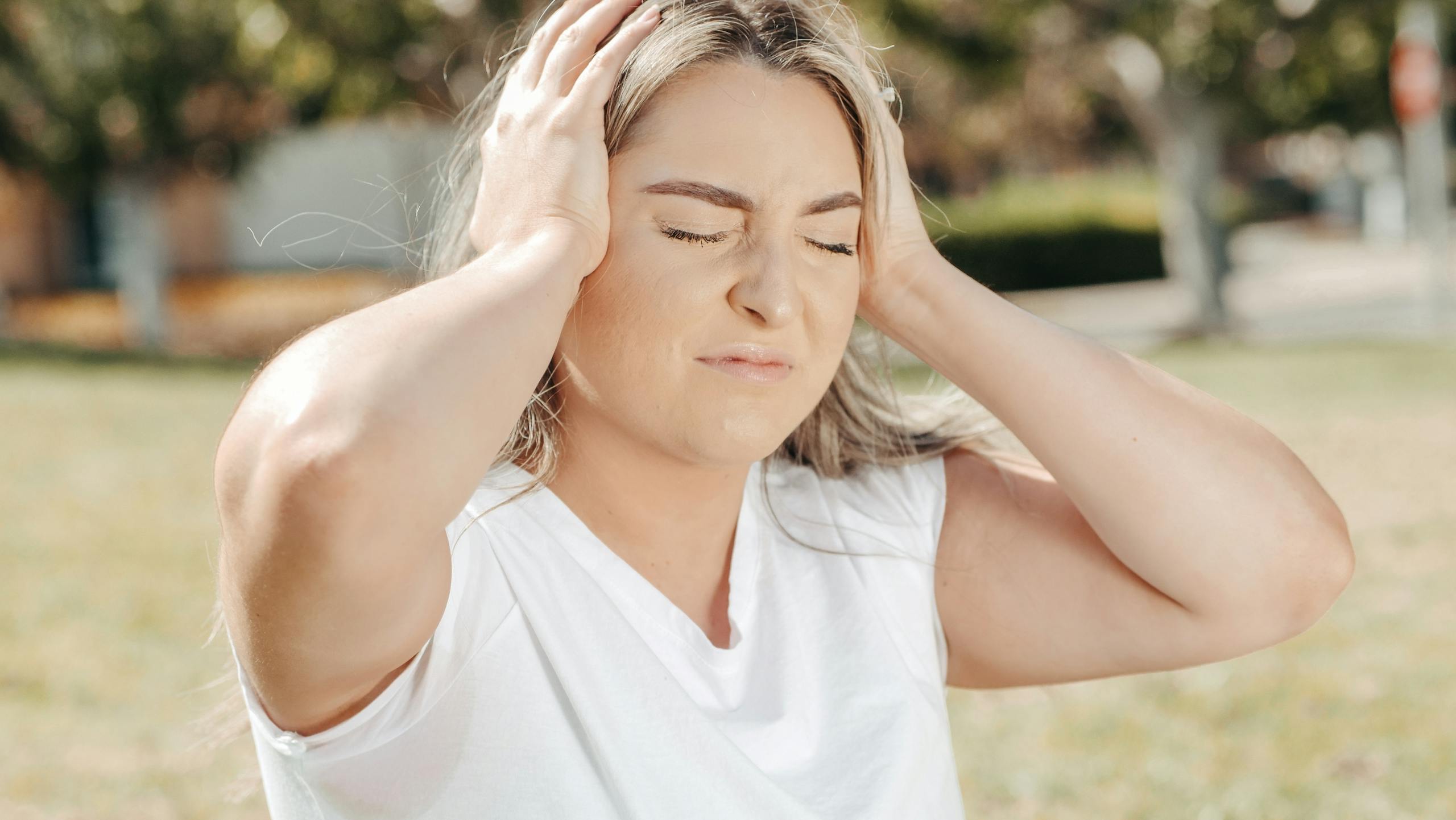
Botox side effects are usually mild, but postpartum life has a way of making every small problem feel bigger. A droopy eyelid, headache, swelling, bruising, or unusual facial weakness may be temporary, but it can still feel overwhelming when you are running on broken sleep.
New mothers do not live in a calm recovery bubble. They are feeding babies, washing bottles, healing stitches, managing visitors, and trying to remember when they last drank water.
The rare but serious symptoms deserve even more attention. Trouble swallowing, breathing problems, muscle weakness, or vision changes are not little inconveniences. There are reasons to seek medical care quickly.
A mother should never ignore symptoms just because Botox is marketed as a simple beauty treatment. Simple procedures can still have serious outcomes when performed poorly or with the wrong product.
Cheap Botox Can Turn Into an Expensive Mistake
A postpartum discount can look tempting, especially when diapers, wipes, formula, creams, and baby clothes are already draining the bank account. But cheap Botox can be a trap dressed up as self-care.
Counterfeit or poorly handled products can cause frightening reactions, and unlicensed injectors may not know how to manage dosage, injection site selection, hygiene, or emergencies. The wrong appointment can turn a beauty refresh into a medical disaster.
This is the part many glossy beauty ads leave out. Botox should never feel like a backroom bargain. A proper provider should be licensed, trained, transparent about the product, and willing to answer every question without attitude.
If the clinic cannot explain what is being injected, where it came from, and how many units are being used, that is not a beauty deal. That is a warning sign with a receipt attached.
Botox Parties Are Not Postpartum Self-Care
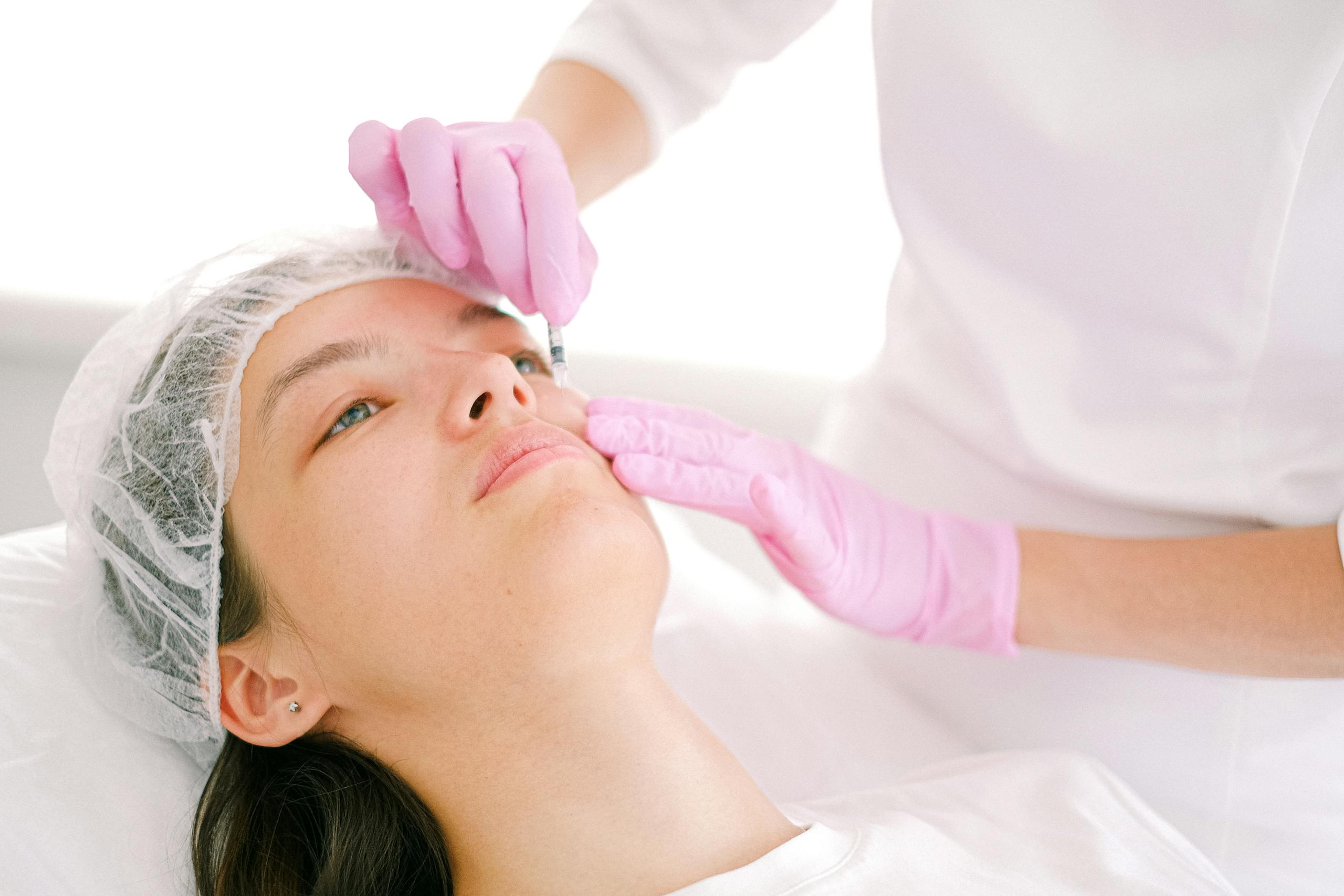
The phrase “Botox party” sounds harmless, almost fun, like cupcakes with needles. But postpartum women need safer standards than a living room setup and a group discount.
Injections require medical skill, clean technique, correct product storage, and proper screening. A casual setting can make the treatment feel less serious than it really is, and that relaxed atmosphere can hide real risks.
After pregnancy, your body deserves careful treatment, not casual experiments. A provider should ask about breastfeeding, medications, medical history, allergies, and recovery status. If no one asks those questions, the appointment is already going in the wrong direction.
Feeling pretty should never require lowering your safety standards. A smooth forehead is not worth a risky shortcut.
Postpartum Anxiety Can Make the Decision Feel Heavier
There is a quiet side of Botox after pregnancy that nobody puts in the brochure. The anxiety. A mother may book an appointment hoping to feel more confident, only to spend days wondering if she made a mistake. Every baby’s sneeze starts to feel suspicious.
Every sleepy feed becomes a reason to Google symptoms. Every tiny change becomes proof that something went wrong.
That kind of stress can steal the very confidence Botox was supposed to bring back. For some women, the better choice may be to wait until breastfeeding is finished or until the baby is older.
For others, a careful conversation with a trusted doctor may bring enough reassurance. The key is honesty. If the decision brings more fear than relief, it may not be the right season for it.
Beauty Pressure Can Make Mothers Rush Before They Are Ready

Postpartum beauty culture can be brutal. It tells mothers to “bounce back” before they have even healed. It praises glowing skin, flat stomachs, shiny hair, and effortless confidence, then reacts with shock when women feel pressured to fix their appearance quickly.
Botox can become part of that pressure, especially when a mother feels she must look refreshed before she actually feels restored.
There is nothing wrong with wanting to look good after pregnancy. The problem starts when beauty becomes another job a mother must perform. A tired face is not a failure. Lines, puffiness, and uneven skin are not proof that someone has “let herself go.”
Sometimes they are proof that she is feeding a baby at 3 a.m., healing from birth, and carrying a life change that no serum can fully hide.
A Safer Postpartum Beauty Plan Starts With Patience
A mother who wants Botox after pregnancy should not be mocked, judged, or scared into silence. She should be informed.
The safest path starts with a real medical conversation, especially if she is breastfeeding, using medication, recovering from complications, or caring for a premature or medically fragile baby. A qualified provider should explain the product, dosage, possible side effects, and safer timing.
There are also gentler ways to support the skin while waiting. Sunscreen, moisturizer, vitamin C, niacinamide, azelaic acid, hydration, sleep whenever possible, and a simple routine can help the skin look healthier without jumping straight into injections.
These options may not freeze forehead lines, but they can restore glow, texture, and comfort. Sometimes the smartest beauty move is not doing more. It is doing the right thing at the right time.
Key Takeaway

Botox after pregnancy is not automatically reckless, but it is not a decision to treat lightly. Breastfeeding concerns, limited research, counterfeit products, unlicensed providers, side effects, and postpartum anxiety can turn a simple cosmetic appointment into a stressful experience.
The risk may be low in the right medical setting, but the wrong setting changes everything. A mother deserves to feel beautiful without being bullied by beauty culture or mom shame. If Botox brings confidence, safety must come first. If waiting brings peace, that is not weakness.
The best postpartum glow is not the one forced by pressure. It is the one built on health, confidence, and a decision you do not regret.