8 Cities Where the Locals Might Actually Hate You
When traveling, it’s easy to assume that locals will always welcome you with open arms, but the truth is a little more complicated. Some cities, despite their tourist appeal, are less than thrilled to see travelers roll in.
If it’s due to overcrowding, cultural insensitivity, or sheer frustration with constant visitors, these cities are notorious for giving tourists the cold shoulder. If you’re planning to visit any of these spots, be sure to tread carefully; these cities might just give you a taste of what it’s like to be unwelcome.
Venice, Italy
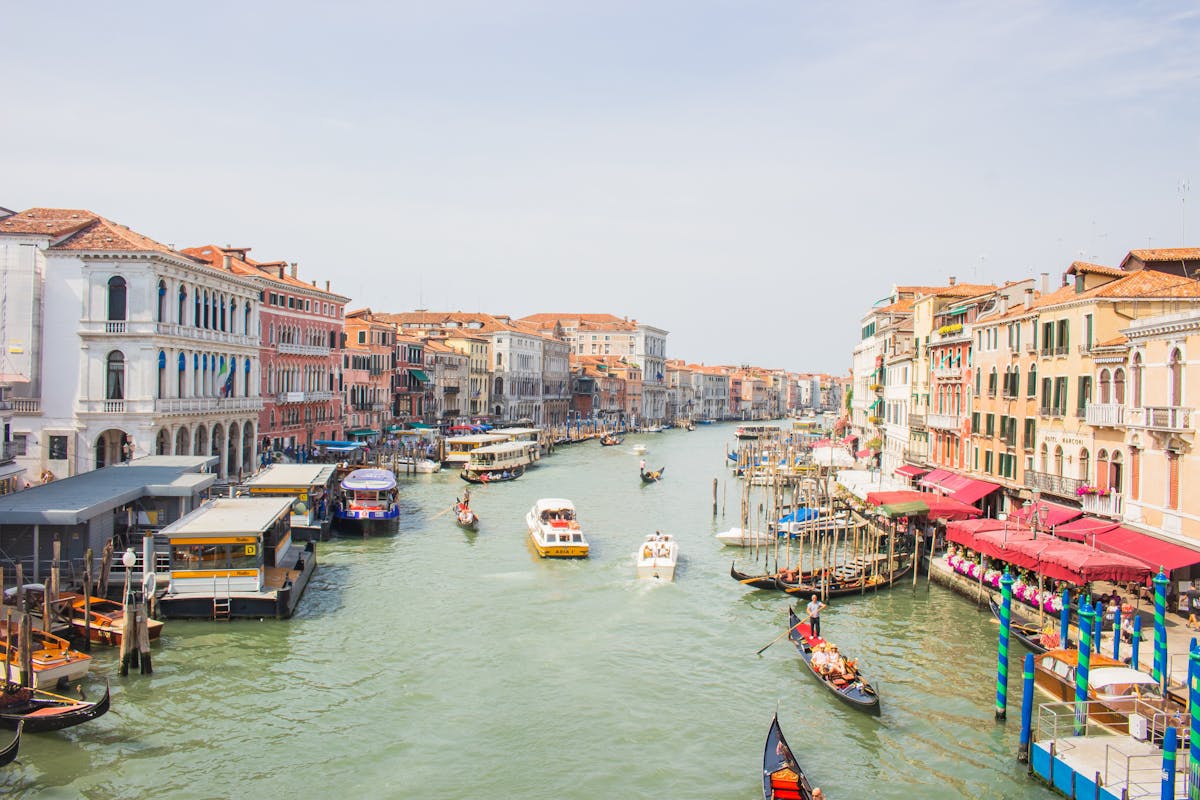
Venice’s canals and architecture have long drawn travelers, but the sheer volume of tourists has left locals feeling suffocated. With visitors flooding the city year-round, many Venetians have been pushed out due to high living costs and a lack of affordable housing.
The Italian government has even considered introducing entrance fees for tourists to reduce visitor numbers. If you’re planning to visit, be prepared to feel more like part of the problem than part of the solution.
Locals aren’t shy about their frustrations with overcrowding.
Barcelona, Spain
Barcelona has become the quintessential tourist magnet, attracting millions each year with its stunning architecture, vibrant culture, and sunny beaches. However, the city’s rapid tourism boom has led to resentment among locals who deal with overcrowded streets, inflated rents, and the decline of authentic Catalan culture.
The situation has gotten so tense that local protests have erupted against tourism, with residents calling for a halt to mass tourism. If you’re not a careful, respectful visitor, you might just get an earful from a local who’s had enough.
Amsterdam, Netherlands

Amsterdam is famed for its liberal vibe and canal-side charm, but its reputation as a party city has brought a flood of tourists, many of whom come for the coffee shops and nightlife rather than the culture.
The influx of rowdy visitors has led to frustration, with locals complaining about the noise, litter, and general disrespect for the city’s peaceful atmosphere. Residents have even launched campaigns to limit the number of tourists in certain areas.
You might find yourself getting an unfriendly stare if you’re caught in the wrong spot, at the wrong time.
Dubrovnik, Croatia
Dubrovnik has skyrocketed in popularity due to its role as the backdrop for Game of Thrones and its stunning Old Town. But the city’s popularity has led to significant challenges for locals, who struggle with high prices, overcrowded streets, and constant pressure from tourists.
Residents have voiced their displeasure with the growing influx of visitors, with some even pushing for limits on the number of tourists allowed in the city. So, if you’re visiting, be prepared for a less-than-welcoming vibe from locals who feel like they’ve been overwhelmed by the sheer number of tourists.
Kyoto, Japan
Kyoto, with its historic temples, traditional tea houses, and stunning gardens, has long been a top destination for those seeking an authentic slice of Japan. However, the city’s popularity has strained local life, with overcrowded attractions, rising prices, and cultural appropriation taking a toll. Many locals feel that the constant stream of visitors detracts from the spiritual and cultural significance of Kyoto’s heritage.
It’s a city caught between preserving its traditions and accommodating tourists, and if you’re not careful, you might be seen as part of the problem.
Machu Picchu, Peru
Machu Picchu is one of the world’s most iconic landmarks, but the sheer volume of visitors has led to environmental and cultural concerns. Local communities surrounding the ancient Inca site have expressed frustration with the impact of mass tourism on their daily lives, including rising costs and a loss of local identity.
In fact, some locals have even begun speaking out against the environmental damage caused by tourism, especially the effects of overcrowding and infrastructure strain. While Machu Picchu remains an awe-inspiring sight, it’s no secret that locals are beginning to feel the effects of its popularity.
Bangkok, Thailand
Bangkok is the beating heart of Thailand, known for its vibrant street life, cultural landmarks, and bustling markets. However, the city is becoming increasingly overwhelmed by tourism, with crowded streets, clogged waterways, and a rapidly changing landscape.
Locals often complain about the rising cost of living, particularly in popular tourist areas like Khao San Road. While Thailand as a whole thrives on tourism, Bangkok’s residents are starting to feel the strain of an economy that’s become too reliant on foreign visitors.
The result? There is palpable tension between locals and tourists, especially in the city’s busiest areas.
Rome, Italy
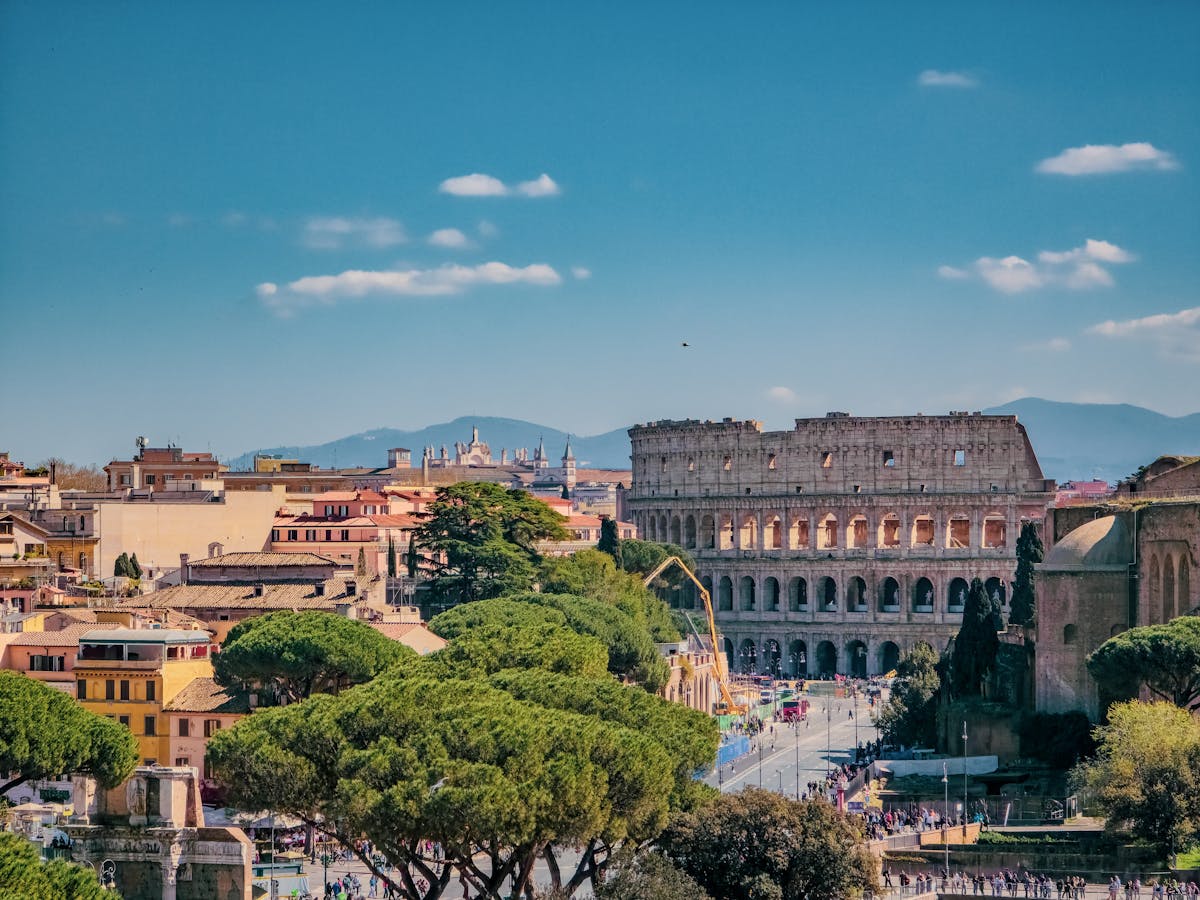
Rome is undeniably one of the world’s most visited cities, and while its history and architecture are awe-inspiring, the overwhelming crowds have made it difficult for locals to maintain a peaceful way of life.
Residents are tired of dodging tourists, waiting in long lines, and watching their neighborhoods transform into commercialized zones. In some areas, it’s not uncommon for locals to avoid popular sites like the Colosseum or the Vatican, simply because they’ve become too overrun.
The next time you’re admiring the Roman Forum, don’t be surprised if a local looks on with frustration; they’ve likely seen it all before.
Key Takeaway

While many of these cities are undoubtedly beautiful and worth visiting, it’s crucial to be aware of the impact tourism can have on local communities. As a responsible traveler, it’s essential to respect the places you visit, stay mindful of local sentiments, and seek alternatives to heavily tourist-frequented areas.
Traveling with awareness not only enriches your experience but also ensures you’re contributing positively to the destinations you explore.