6 Alarming Economic Changes That Could Push You Into Unemployment in 2026
Your job may seem secure today, but the economy is constantly changing, and shifts can happen faster than you might expect. Prices rise, businesses adjust, and what once felt like a stable position can start to feel shaky. In 2026, significant economic shifts are impacting the US job markets. From inflationary pressures to the rise of artificial intelligence, these changes are already making waves in many industries.
What you might not realize is that these changes could be more impactful on your job than you think. It’s crucial to pay attention to the signs and adjust before it’s too late.
Inflation Is Making Employers More Careful
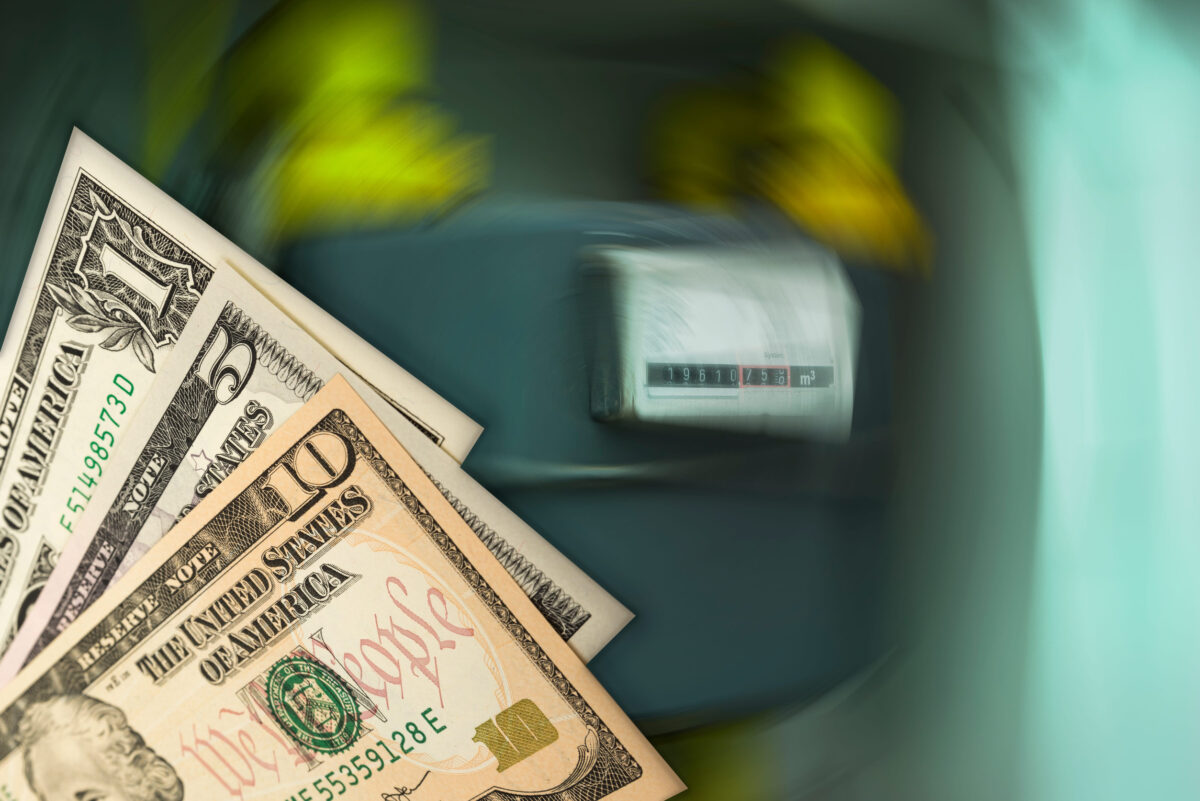
Inflation doesn’t just affect your grocery bill or gas prices; it’s hitting businesses hard, too. As operating costs rise, whether through higher energy bills, rent increases, or more expensive raw materials, companies feel the pinch. To manage these expenses, businesses are becoming more cautious in their hiring, raises, and overall spending. Employers may cut back on raises, freeze hiring, or reduce employee benefits to offset these rising costs. In some cases, businesses may even reduce staff hours or slow down expansion plans to protect their bottom lines. The result? You might face stagnant wages and job uncertainty at a time when the cost of living is only climbing.
Hiring is Still Uneven
While some industries are thriving and hiring like never before, others are facing major setbacks. The job market is no longer as competitive as it once was, especially for certain positions. In the US and UK, some sectors have seen a boom, while others are in decline. Employers in industries like technology and finance are still recruiting, but businesses in sectors like retail and hospitality are experiencing layoffs or freezes. This uneven hiring means it’s no longer a “buyer’s market” for employees.
Even if you’re currently employed, it doesn’t guarantee that opportunities for career advancement will be as plentiful in the near future. Companies are taking a more measured approach to hiring, and you may find it harder to move up or make a career change.
AI Is Changing Job Expectations Fast

Artificial intelligence is one of the biggest disruptors in the modern workplace. While AI has been a part of tech discussions for years, it’s now making a real impact on the day-to-day work environment. AI tools can complete repetitive tasks faster and with greater accuracy, enabling businesses to operate more efficiently with fewer human resources. Workers across various industries are expected to adapt quickly to new AI tools. From customer service chatbots to advanced data analytics, AI is becoming a standard part of the job landscape.
While it’s true that AI won’t replace all jobs, it will change the nature of many roles. If you’re not already learning how to use these tools or improving your technical skills, you may find that your job expectations are changing faster than you can keep up with. Employers will expect workers to become more tech-savvy, efficient, and adaptable, and those who can’t keep up may see their roles minimized.
Companies Are Cutting “Nice To Have” Roles
As businesses face economic pressure, they’re prioritizing essential functions over roles they deem “nice-to-have.” This means departments that are less directly tied to revenue generation, such as marketing, customer support, or creative roles, may face cuts. In tougher economic times, businesses often scale back on these areas to focus on core operations that keep them afloat. It’s a hard reality for those in less essential positions, as they are often the first to feel the impact of cost-cutting measures.
Even if your job is secure, you could still feel the pressure. You may find that your workload increases, as companies may combine roles or eliminate positions altogether. The added stress of increased responsibilities and fewer resources can make it difficult to maintain a work-life balance, and in some cases, it could mean losing your position entirely if the company cuts back too far.
Higher Business Costs Are Hitting Small Employers

Small businesses are often the first to feel the pain of an unstable economy. Larger companies may have the resources to absorb rising costs, but small businesses typically lack those financial cushions. When rent, utilities, and raw materials become more expensive, smaller companies are forced to make tough choices.
This could mean cutting staff hours, freezing hiring, or even reducing benefits to keep the business afloat. Small business owners may also lack the same safety nets as larger corporations, so they could face closures or significant downsizing if economic pressure becomes too great.
For employees working at smaller companies, this could mean less job security, fewer opportunities for advancement, and even the possibility of the business closing. If you work for a small business, keep a close eye on its financial health. The changing economy could put your position in jeopardy faster than you expect.
Slower Growth Means Fewer Easy Career Moves

The economic slowdown means businesses are growing more slowly, and many companies are not expanding as quickly as they did in previous years. This is especially true in industries like real estate, construction, and some areas of tech. As the job market grows more slowly, it will become harder to find promotions or new opportunities within your current field.
The days of easily jumping from one company to another for a higher-paying job may be behind us, and workers may need to adapt their expectations. Career growth is likely to require more time and effort. You’ll need to develop specialized skills, gain more experience, and perhaps make difficult decisions to stay competitive in a tighter job market. While the opportunities may not be as plentiful, your strategy for career advancement will need to be more focused and intentional.
Conclusion
Economic shifts are already underway, and 2026 will likely bring even more changes to the job market. From inflation to AI, the job landscape is evolving rapidly, and the impact on your position may be closer than you think. While these shifts are affecting everyone, some workers will feel them more than others. It’s crucial to stay informed, adapt, and position yourself to weather these changes. Keep an eye on these trends, and be proactive in preparing for a future that could be very different from the one you’ve grown used to.