10 Fast Food Fails That Will Make You Think Twice Before Ordering
Fast food is often the go-to option for a quick meal, offering convenience and a satisfying taste for those on the move. But behind the drive-thru windows and brightly lit signs, there are some serious fails that could make you think twice before placing your next order. From shocking health concerns to questionable food practices, here are 10 fast food fails that could leave you rethinking your next indulgence.
Mysterious Meat Sources
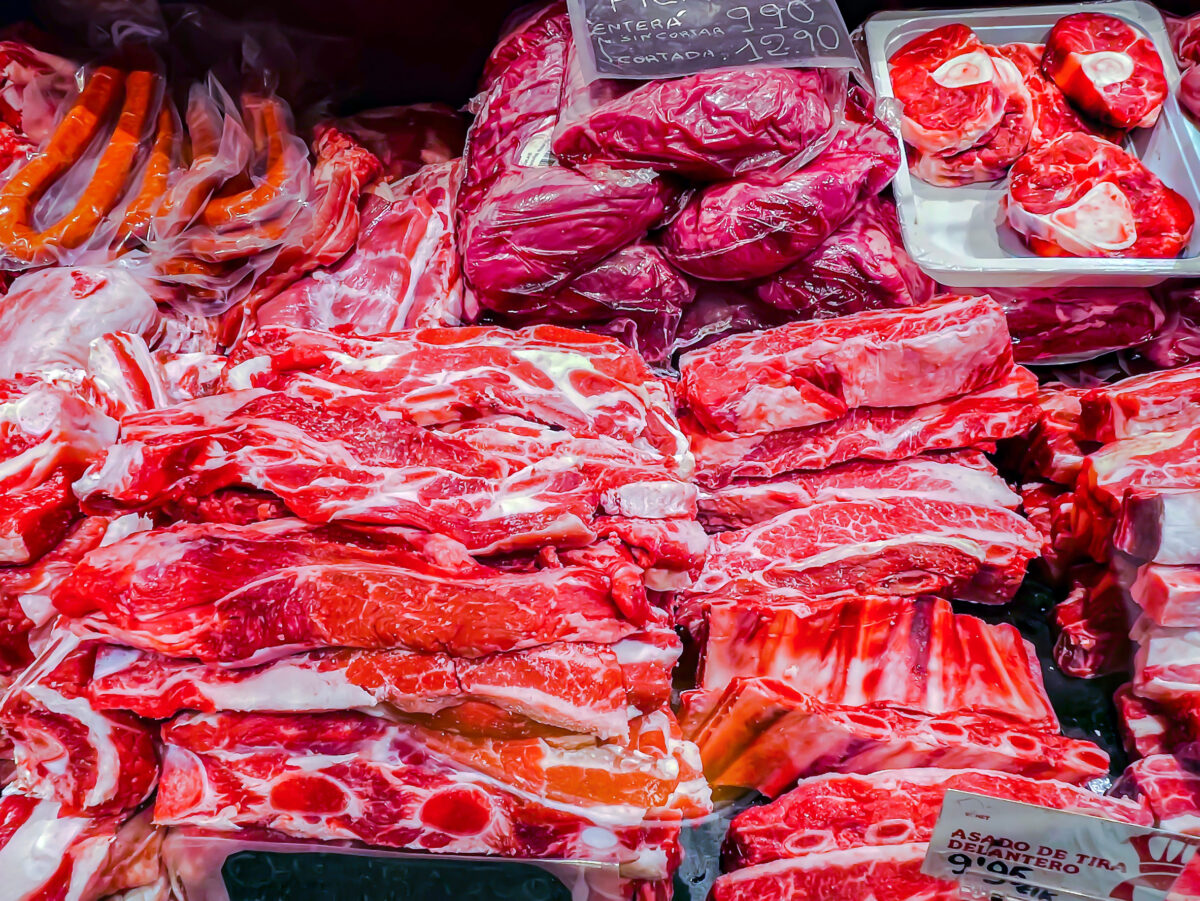
Let’s start with one of the most concerning issues: What exactly is in that patty? Some fast food chains have been caught up in scandals in which the quality and origin of their meat were questioned. In 2013, a major fast food company was accused of using horse meat in its burgers across Europe.
While this scandal was isolated, it raised concerns about transparency in sourcing and quality control. The unsettling thought that the meat in your beloved burger might not come from where you expect it to could make you reconsider your next fast-food fix.
Trans Fats
Fast food is notorious for its use of trans fats, ingredients that have been linked to heart disease and other serious health conditions. While many chains have made efforts to eliminate trans fats from their recipes, some menu items still contain them.
In fact, some fried fast food items are cooked in oils that contain high levels of trans fats, leading to an increased risk of obesity, high blood pressure, and clogged arteries. The next time you’re eyeing those crispy fries, ask yourself if the temporary pleasure is worth the long-term health consequences.
The “Secret” Ingredient
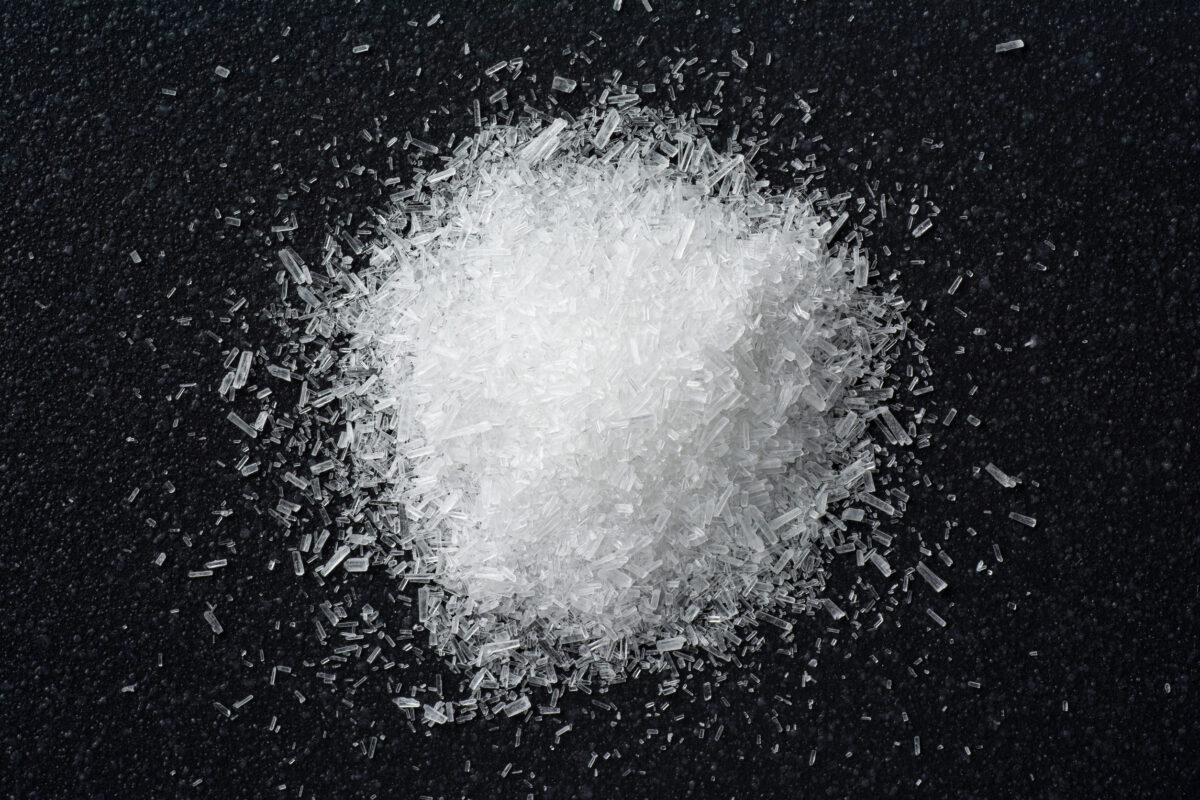
Monosodium glutamate, or MSG, is a flavor enhancer often used in fast food to make meals extra savory. But for some, MSG is a hidden trigger for migraines, nausea, and other unpleasant symptoms, known as “Chinese restaurant syndrome.
” Though its safety is debated, some studies have suggested that MSG could lead to increased cravings and overeating. If you’re sensitive to MSG or trying to avoid it for health reasons, you might want to skip that extra-large order of fried chicken wings or noodle soup.
Processed Cheeses That Aren’t Really Cheese
Cheese has long been a fast-food favorite,think gooey, melty slices of cheddar on a juicy burger. But what you may not realize is that some fast-food chains use processed cheese products that are far from the real thing.
These “cheeses” are often made from a blend of oils, starches, and flavoring agents, rather than pure milk and cream. These processed cheese slices may be easier to melt, but they come with a hefty dose of artificial ingredients and preservatives. For those trying to enjoy a more natural diet, this is a fast food fail to watch out for.
Portion Sizes That Are Out of Control
You’ve probably seen those giant meals,super-sized burgers, fries, and shakes,advertised in fast food promotions. But what these over-the-top portions don’t tell you is just how much they contribute to obesity and poor health.
Fast food chains often push enormous portion sizes, encouraging customers to consume far more calories than they need in a single sitting. This overeating can lead to long-term weight gain, diabetes, and heart issues. A medium-sized meal could easily stretch into a day’s worth of calories, making those larger sizes a dangerous trap for the health-conscious eater.
The Hidden Sugar Trap
We’ve all been there: grabbing a quick breakfast sandwich or a burger for lunch, thinking we’re making a relatively “healthier” fast food choice. But what many people don’t realize is just how much sugar lurks in many seemingly savory meals.
Fast food chains often sneak in added sugars in sauces, dressings, and even breads. A seemingly harmless chicken sandwich can contain more sugar than you’d expect, potentially causing blood sugar spikes and crashes. If you’re not paying attention to these hidden sugars, your healthy meal could quickly turn into a calorie bomb.
The Mystery of “Chicken Nuggets.”

Chicken nuggets are a classic fast food staple, but what’s actually inside these crispy little bites? Some chains have been under scrutiny for using highly processed meat in their nuggets, with some products containing mechanically separated chicken, fillers, and artificial additives.
The nuggets might taste good on the outside, but the inside could be less than appetizing. The thought of eating something that’s more of a “processed product” than pure chicken might make you reconsider your go-to nugget order next time.
Buns That Could Be Healthier
Those fluffy, soft burger buns you love might not be as innocent as they appear. Many fast food chains use buns that are high in refined sugars, unhealthy oils, and artificial flavorings.
These ingredients can contribute to high glycemic indexes, leading to spikes in blood sugar. The next time you bite into your burger, take a moment to think about the refined carbs that could be sabotaging your health goals. Health-conscious eaters might want to skip the buns or opt for healthier alternatives when available.
Fried Foods That Aren’t So Crispy
While fried foods are beloved in the fast-food world, they come with major drawbacks. Many fast food joints use low-quality oils that are repeatedly heated, leading to the formation of harmful compounds such as acrylamide, which has been linked to cancer in some studies.
Additionally, the frying process strips away much of the nutrients in your food, leaving behind empty calories. The next time you crave crispy fries or chicken, consider how the frying process might have diminished both the taste and nutritional value of your meal.
Sodium Levels That Should Raise Red Flags
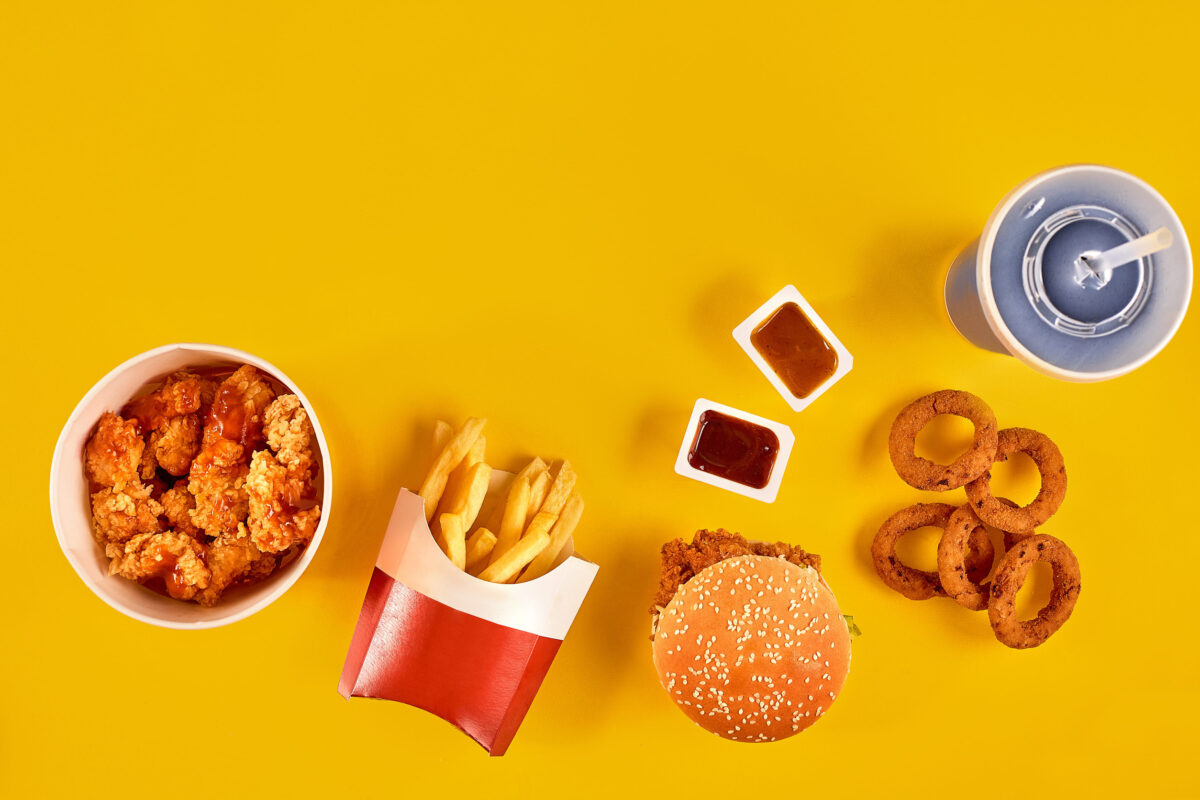
Fast food is loaded with sodium, an ingredient that enhances flavor but also raises your blood pressure when consumed in excess.
Many fast food meals contain more than the recommended daily intake of sodium, especially those that are fried, packaged, or contain processed meats. The high sodium levels in fast food can contribute to chronic conditions like hypertension, kidney disease, and heart problems. Next time you order, keep in mind that a simple burger could be contributing more sodium to your diet than you realize.
Conclusion
Fast food may seem like a quick and easy fix, but it’s essential to consider what’s lurking in that burger or those fries. From mysterious meat sources to dangerous additives, the reality of fast food isn’t always as appetizing as it seems.
Many of the issues mentioned above have serious health implications, and while the convenience factor may be tempting, the long-term effects on your body can be significant. The next time you’re in line at the drive-thru, ask yourself: Is it worth it? If you’re aiming to make healthier choices, it might be time to reconsider those quick meals and seek out options that prioritize quality ingredients and your health.