7 Surprising Stories Behind America’s Favorite Comfort Foods
Comfort food often feels timeless. Macaroni and cheese, apple pie, fried chicken, and cornbread can seem like dishes that have always been part of American life. But many of these familiar favorites have surprisingly complicated histories.
Their stories involve migration, Indigenous foodways, enslaved cooks, commercial food companies, wartime kitchens, school cafeterias, and changing technology. Some were adapted from older dishes, while others became household classics only after companies and institutions helped spread them.
Macaroni and Cheese
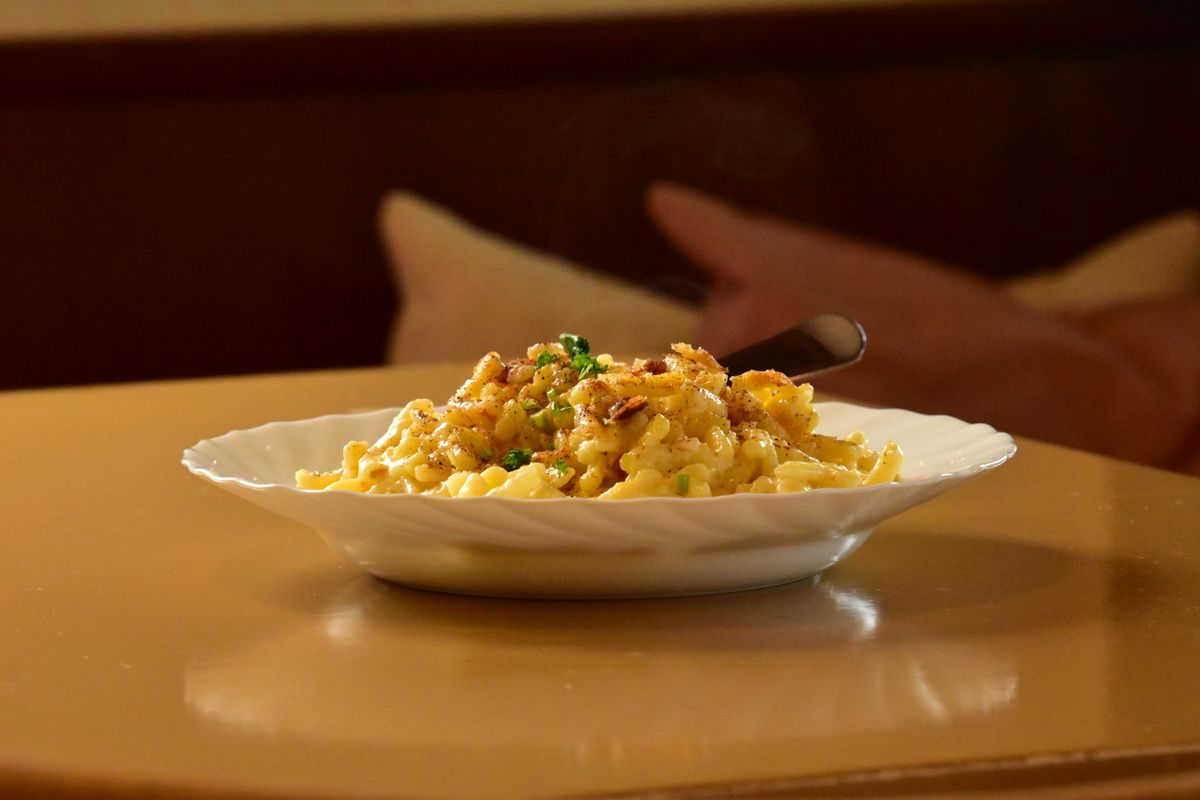
Thomas Jefferson is often associated with macaroni and cheese. Pasta and cheese dishes existed long before the United States, and Jefferson encountered them in Europe. He later brought pasta related equipment and knowledge back to America and served macaroni at an 1802 White House state dinner. There is another important part of the story. Jefferson’s enslaved chef, James Hemings, learned French cooking techniques and helped prepare dishes Jefferson encountered in Europe. Smithsonian reporting identifies Hemings as an important figure in the American history of macaroni and cheese.
Related Post: 7 Things We Never Knew About Our Favorite Comfort Foods
Mary Randolph’s 1824 The Virginia House Wife later included a macaroni and cheese recipe. An early American version was much simpler than many modern recipes, relying on macaroni, cheese, and butter. The dish changed again in the 20th century. Kraft introduced its boxed macaroni and cheese dinner in 1937, helping turn the dish into a convenient pantry staple. So Jefferson helped popularize macaroni dishes among wealthy Americans, but he did not invent macaroni and cheese.
Apple Pie
Few foods are more closely associated with American identity than apple pie. Yet neither the familiar cultivated apple nor apple pie itself originated in North America. Smithsonian research points to a recorded English apple pie recipe from 1381. That early version differed greatly from today’s dessert. It combined apples with ingredients including figs, raisins, pears, and saffron. Its pastry “coffin” was mainly a cooking container, not the flaky crust modern bakers expect.
The cultivated apples used in familiar American orchards also arrived with European colonists. North America had native crab apples, but they were different from the varieties that eventually became central to American apple growing and baking. America also developed its own apple pie traditions. Amelia Simmons’ American Cookery, published in 1796, included an apple pie recipe and became an important early American cookbook. The interesting part is the distinction between origin and identity. Apple pie did not begin in America, but Americans adapted it and eventually made it a powerful symbol of home, family, and national culture.
Grilled Cheese and Tomato Soup Have an Institutional Past
A grilled cheese sandwich alongside tomato soup seems like one of the most natural comfort-food combinations imaginable. But institutional cooking shaped the modern version of this pairing. People have been eating bread and cheese together for centuries. The modern American grilled cheese developed much later, particularly as sliced white bread and processed cheese became widely available in the 1920s. American cookbooks also used terms such as “toasted cheese” before “grilled cheese” became common.
During World War II, institutional kitchens helped standardize versions of cheese sandwiches. U.S. Navy cooks, for example, prepared sandwiches using American cheese. After the war, schools and cafeterias helped reinforce the pairing of grilled cheese with tomato soup because both foods were economical, straightforward to prepare, and practical for feeding groups. Tomato soup itself also predates Campbell’s. Earlier American cookbooks contained tomato-based soups, while Campbell’s condensed tomato soup arrived in 1897. The familiar lunch combination was therefore shaped by more than taste. Convenience and institutional food service also played a role.
Green Bean Casserole Was Created as an Everyday Dish
Green bean casserole may seem inseparable from Thanksgiving, but that was not its original purpose. Campbell Soup Company test kitchen employee Dorcas Reilly created the dish in 1955 in Camden, New Jersey. She originally called it “Green Bean Bake.” The recipe combined green beans, condensed cream of mushroom soup, milk, soy sauce, black pepper, and French-fried onions. The recipe was designed as an everyday side dish, not specifically as a Thanksgiving centerpiece. Its holiday identity developed later, particularly after the recipe appeared on soup-can labels in the 1960s.
The dish’s history even has a physical piece. Reilly and Campbell donated the original handwritten recipe card to the National Inventors Hall of Fame in 2002. It is a good example of how a test kitchen and a packaged food product could influence what eventually became a family tradition.
Banana Pudding Did Not Always Use Vanilla Wafers
Today’s banana pudding is easy to picture: layers of bananas, creamy pudding and vanilla wafers. But the wafers were not part of the earliest known printed version. A banana pudding recipe published in Good Housekeeping in 1888 reportedly used sliced bananas, custard, and sponge cake. Around 1920, cooks began replacing the sponge cake with vanilla wafers.
Nabisco later helped popularize the wafer-based version by putting a banana-pudding recipe on Vanilla Wafer boxes in the 1940s. Packaging therefore played an important role in turning one particular version into the familiar standard. That means the banana pudding many Americans know today is not simply an unchanged Southern tradition. It resulted from several changes in ingredients, cooking habits, and commercial food marketing.
Fried Chicken’s First Printed Recipe Does Not Tell the Whole Story
Mary Randolph’s The Virginia House-Wife, published in 1824, contains what is widely cited as the first printed American fried-chicken recipe. Her instructions called for cutting the chicken up, coating it with flour, salting it, and frying it in lard. But a printed recipe is not the same thing as an invention. Smithsonian research emphasizes that the deeper history of Southern fried chicken is more complicated. It includes the culinary knowledge and labor of enslaved Black cooks, West African cooking traditions, and possible Scottish influences.
The story continued beyond the plantation kitchen. Black women entrepreneurs in Gordonsville, Virginia, became known for selling fried chicken to railroad passengers, turning the dish into an important source of income and a recognizable part of regional food culture. Randolph’s recipe is therefore an important historical record, but it should not be presented as proof that she invented fried chicken.
Cornbread Reflects a Culinary Exchange
Cornbread is often treated as a straightforward American staple, especially in Southern cooking. Its history, however, reflects an exchange between Indigenous food traditions and European settler cooking. Indigenous peoples had long used cornmeal in a variety of foods before European settlement. Smithsonian research explains that English settlers adapted Indigenous cornmeal flatbreads to bread-making traditions they brought from Britain.
Over time, different regions developed their own versions. Cornbread could be baked in a skillet, cooked as a flatbread, or prepared in other forms, with differences in sweetness, texture, fat, and leavening. The important point is that cornbread has no single inventor. Its history is better understood as culinary adaptation and exchange.
Comfort Food Has Never Been as Simple as It Looks
These foods feel familiar because their modern versions have become deeply embedded in American life. Their histories, however, reveal constant change. Macaroni and cheese was shaped by European cooking, James Hemings, and later commercial convenience. Apple pie became an American symbol despite its older European roots. Grilled cheese and tomato soup were reinforced by institutional kitchens. Green bean casserole moved from a test kitchen to the Thanksgiving table.
Banana pudding changed from sponge cake to vanilla wafers. Fried chicken’s printed history only captures part of a much deeper culinary tradition, while cornbread reflects an exchange between Indigenous and European foodways. That may be the most interesting thing about comfort food. What feels timeless often results from generations of adaptation, migration, invention, marketing, and memory.