11 Classic American Dishes That Spark Arguments Over the Right Way to Make Them
Nothing divides a family quite like a recipe. You can sit peacefully through a conversation about politics, but suggest that Aunt Linda’s potato salad needs a little less mustard, and the room goes quiet. Americans take their classic dishes personally, because most of us learned them from someone we loved.
Every region, every church cookbook, and every grandmother seems to have a firm opinion on how these foods should be made. Some arguments are about one ingredient. Others are about the entire cooking method. And many of them have been going on for generations without a winner.
These eleven classic American dishes are guaranteed to start a debate at almost any dinner table. Read through the list, decide which side you are on, and then try not to bring it up at the next family reunion.
1. Chili: Beans or No Beans?
This may be the most heated food fight in America. In Texas, where lawmakers named chili the official state dish in 1977, as Smithsonian Magazine recounts, traditional “bowl of red” is made with beef, chiles, and spices, and absolutely no beans. Many Texans consider beans an insult.
Across much of the rest of the country, kidney or pinto beans are a normal part of the pot. Families add them to stretch the meat and make the chili heartier. Then there is Cincinnati chili, which is spiced with cinnamon and served over spaghetti, and that starts a whole new argument.
2. Clam Chowder: Cream or Tomato?
New Englanders are fiercely loyal to their creamy white chowder, made with milk or cream, potatoes, clams, and salt pork. Manhattan clam chowder uses a tomato broth instead, and many people in Boston do not consider it chowder at all.
The rivalry is so old that a Maine lawmaker once proposed a bill in 1939 to outlaw tomatoes in chowder. It never passed, but the feelings behind it are still very real. Rhode Island adds another twist with a clear broth version that few outsiders have ever tried.
3. Barbecue: Sauce, Rub, or Vinegar?
Ask four people from four different states what real barbecue is, and you may get four completely different answers. Kansas City favors thick, sweet tomato sauce, while eastern North Carolina swears by a thin, peppery vinegar mop. Memphis is famous for dry-rubbed ribs, and Texas often focuses on beef brisket with little sauce at all.
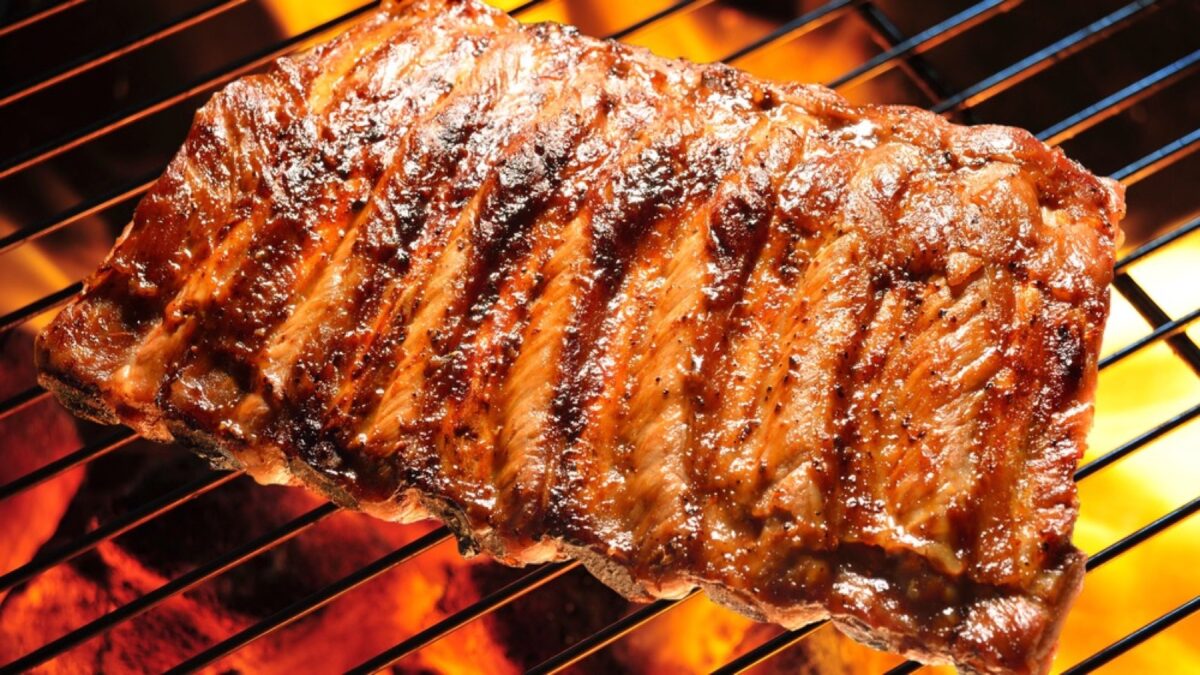
The arguments do not stop at sauce. People debate wood types, cooking times, and whether a grill can ever produce true barbecue. For many pitmasters, low and slow smoke is the only acceptable method.
4. Potato Salad: Mayonnaise or Mustard?
Potato salad is a summer staple, but there is no single recipe that pleases everyone. Some families make it creamy with lots of mayonnaise, while others insist on a tangy yellow mustard base. Eggs, pickles, celery, and onion all have passionate supporters and critics.
Then there is German-style potato salad, served warm with bacon and a vinegar dressing. It is beloved in parts of the Midwest and completely unfamiliar to many other Americans. Nearly everyone agrees on one thing, though: whoever is bringing it to the cookout had better make it the right way.
5. Cornbread: Sweet or Savory?
Few questions start an argument faster in the South than whether cornbread should contain sugar. Many traditional Southern cooks make it with buttermilk and cornmeal in a hot cast-iron skillet, with little or no sugar. To them, sweet cornbread is practically cake.
In the North and Midwest, cornbread is often lighter, more cake-like, and noticeably sweeter. Both sides believe their version is the original. It is a debate that has lasted generations and shows no sign of ending.
6. Macaroni and Cheese: Baked or Stovetop?
Macaroni and cheese is comfort food at its finest, but the method matters to many families. Baked mac and cheese, often topped with bread crumbs or extra cheese, is a holiday favorite in many Southern and Black American homes. It is firm enough to slice and rich with sharp cheddar.
Others grew up with creamy stovetop versions, or even the boxed kind with orange powder. Some people treat boxed mac and cheese as a childhood treasure, while others cannot believe anyone would serve it at a family dinner. The cheese blend alone can start a debate.
7. Stuffing or Dressing?
Every Thanksgiving, families argue about both the name and the method. Many people call it stuffing when it is cooked inside the turkey and dressing when it is baked in a separate pan. In much of the South, the word “dressing” is used no matter how it is cooked.
The ingredients cause even more trouble. Cornbread dressing is a Southern tradition, while bread-cube stuffing with sage and celery is common elsewhere. Oysters, sausage, apples, and chestnuts all show up in different regional recipes.
8. Meatloaf: Ketchup Glaze or No Glaze?
Meatloaf may seem simple, but families have strong opinions about it. Many grew up with a sweet ketchup or brown sugar glaze baked on top. Others prefer brown gravy, tomato sauce, or no topping at all.
The filling causes trouble too. Some cooks use only beef, while others mix in pork or veal, and the choice of bread crumbs, oats, or crackers can divide a household. A good meatloaf sandwich the next day is the one thing everyone agrees on.
9. Coleslaw: Creamy or Vinegar?
Coleslaw seems like a minor side dish until someone makes it the “wrong” way. Creamy coleslaw with mayonnaise is a classic at fried chicken dinners and picnics. In the Carolinas and parts of the South, vinegar slaw is preferred, especially on top of pulled pork sandwiches.
Some families add sugar, others add celery seed, and a few insist on shredded carrots for color. Like many dishes on this list, the “right” coleslaw is usually whatever Mom put on the table.
10. Apple Pie: With or Without Cheddar?
Apple pie is famously American, but how you serve it can raise eyebrows. Most people top it with vanilla ice cream or whipped cream. In parts of New England and the Midwest, however, a slice of sharp cheddar cheese is the traditional companion.
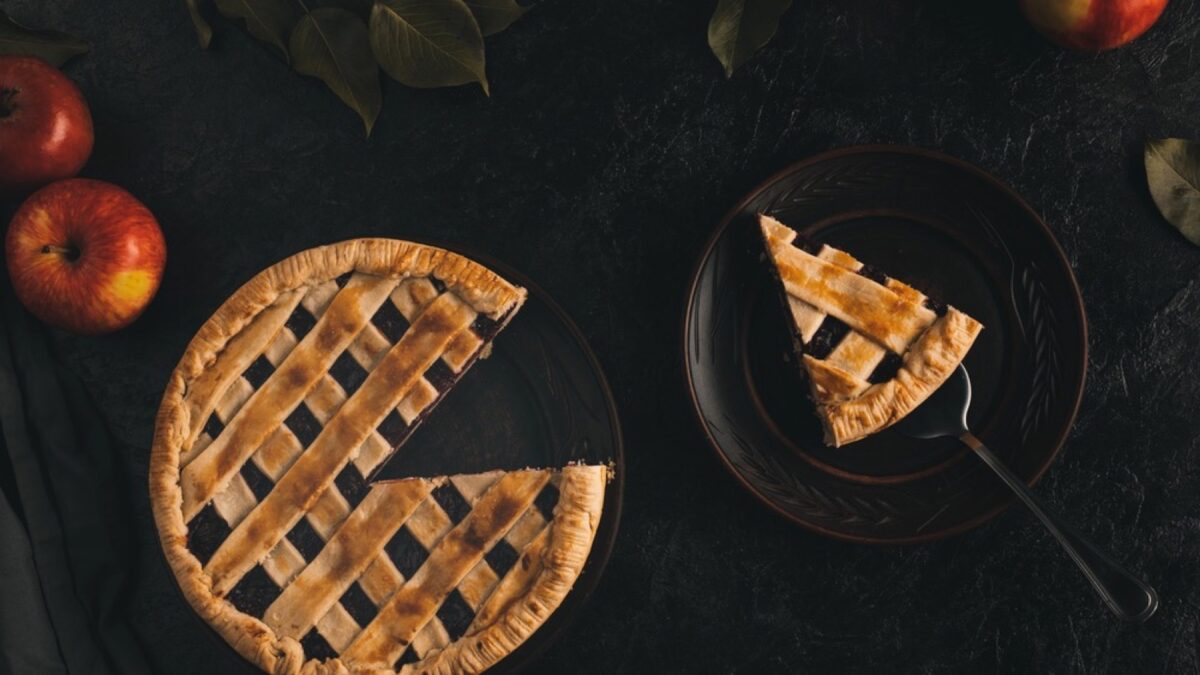
People who grew up with cheddar on their pie swear by the sweet and salty combination. Everyone else tends to find it baffling. The crust also sparks debate, with butter, shortening, and lard each having loyal fans.
11. Sweet Tea: How Much Sugar Is Too Much?
In the South, sweet tea is more than a drink. It is a way of life, and it is usually brewed strong and sweetened while still hot so the sugar dissolves completely. Northerners who order iced tea and add sugar later are often gently corrected.
Even among Southerners, the right amount of sugar is a touchy subject. Some families make it so sweet it is almost syrup, while others prefer a lighter touch. Lemon, mint, and peach flavors add yet another layer to the debate.
Why These Debates Never End
Part of the reason these arguments last for generations is that there is no official rulebook for home cooking. Recipes travel with families as they move from one state to another, and each household adds its own twist along the way. What one family calls the “right” way may simply be the way a great-grandmother happened to make it a century ago.
Holidays and reunions also keep the debates alive, because they bring different branches of a family together around the same table. A cousin from Ohio and an aunt from Georgia may both bring potato salad, and suddenly the comparison is impossible to avoid. Food debates are often a friendly way of talking about where we come from, much like the boomer opinions that light up family conversations online, or the American foods that leave visitors from other countries scratching their heads.
The Only Right Way Is Your Family’s Way
At the end of the day, these arguments are really about memories. The dishes we defend so fiercely are the ones that remind us of home, holidays, and the people who first made them for us.
The next time someone criticizes your chili or questions your cornbread, try to smile and pass the bowl. Arguing over the right way to cook is one of the oldest and most delicious American traditions there is.