8 Common Potluck Problems and How to Solve Them Like a Pro
Potlucks are a fantastic way to bring friends, family, and colleagues together over delicious food. Whether you’re hosting or attending, there’s an undeniable joy in sampling a variety of homemade dishes, each made with love and care.
However, despite their simplicity and charm, potlucks can quickly go awry. From forgotten dishes to questionable food pairings, these events often present their fair share of challenges. Luckily, with a little preparation and some pro-level strategies, you can avoid common potluck mishaps and ensure everything runs smoothly.
Here are eight common potluck problems and how to solve them like a pro:
Too Many of the Same Dish
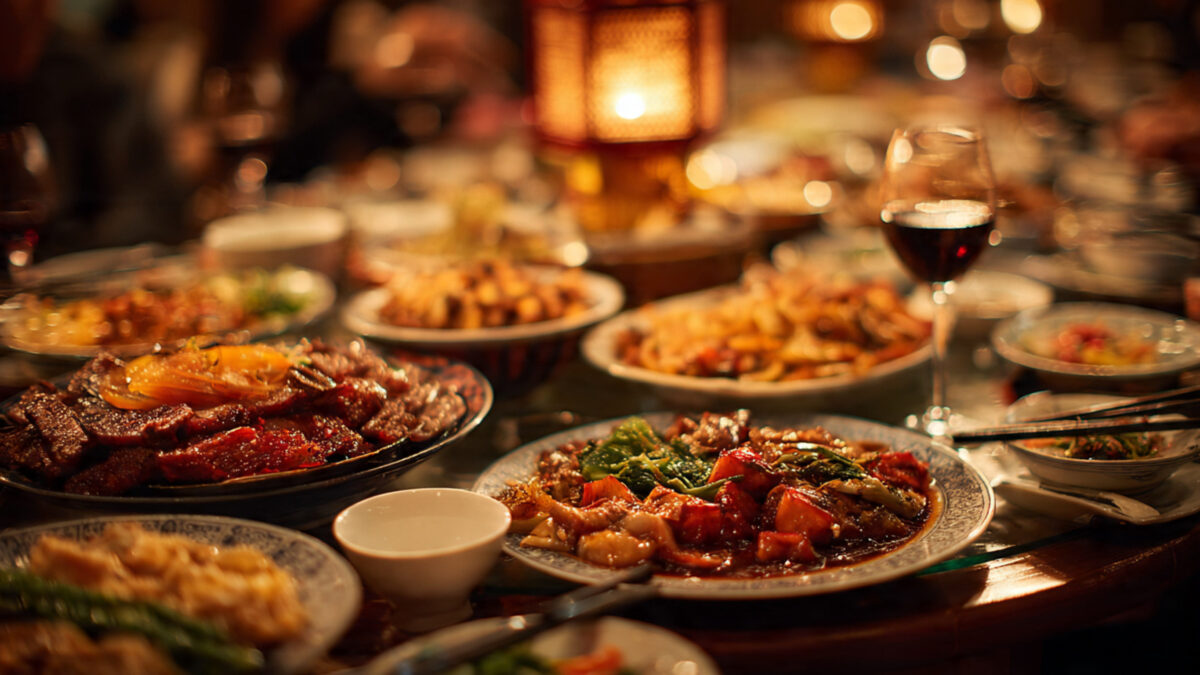
It’s easy to end up with a table full of identical dishes, especially when everyone loves making their signature pasta salad or chicken wings.
The problem is that it can create a monotonous meal, leaving guests with little variety.
How to Solve It:
Before sending out the invites, suggest a simple system to ensure variety. You could ask guests to sign up for specific categories of dishes (appetizers, main courses, desserts, sides).
This will prevent duplicates and give everyone a chance to showcase their cooking skills in different areas. If you’re hosting, take charge and curate the menu by suggesting a balanced spread of flavors and food types. Offering a variety of options, like vegetarian, gluten-free, or dairy-free dishes, ensures no one feels left out.
Lack of Food for Everyone

One of the worst potluck nightmares is running out of food. Guests are often unaware of the number of people expected, leading to an underestimation of the amount needed.
This is especially a problem if the event draws in more people than anticipated or if people tend to overeat.
How to Solve It:
Estimate the headcount in advance and communicate it to your guests. As a general rule, ask each person to bring enough for at least 8-10 servings.
Additionally, it’s a great idea to ask your guests to bring a little more than they think they’ll need, especially for crowd favorites. If you’re hosting, make sure to have some extra sides or snacks on hand just in case.
Food Temperature Woes
Nothing ruins a potluck faster than food that’s either too cold or too hot.
You can spend hours preparing a dish, only for it to lose its appeal if it’s served lukewarm or overcooked by the time guests arrive.
How to Solve It:
The solution lies in good planning. If you’re bringing a dish that needs to stay hot, consider using insulated carriers or a slow cooker to keep it at the right temperature. On the flip side, if your dish is better served cold, make sure to chill it in a cooler until it’s time to serve.
If you’re hosting, use chafing dishes or warming trays to keep foods like casseroles or stews at the perfect temperature. Consider having a spot for refrigerated dishes so guests can enjoy cold salads or desserts just as they should be.
No Clear Labeling of Dishes
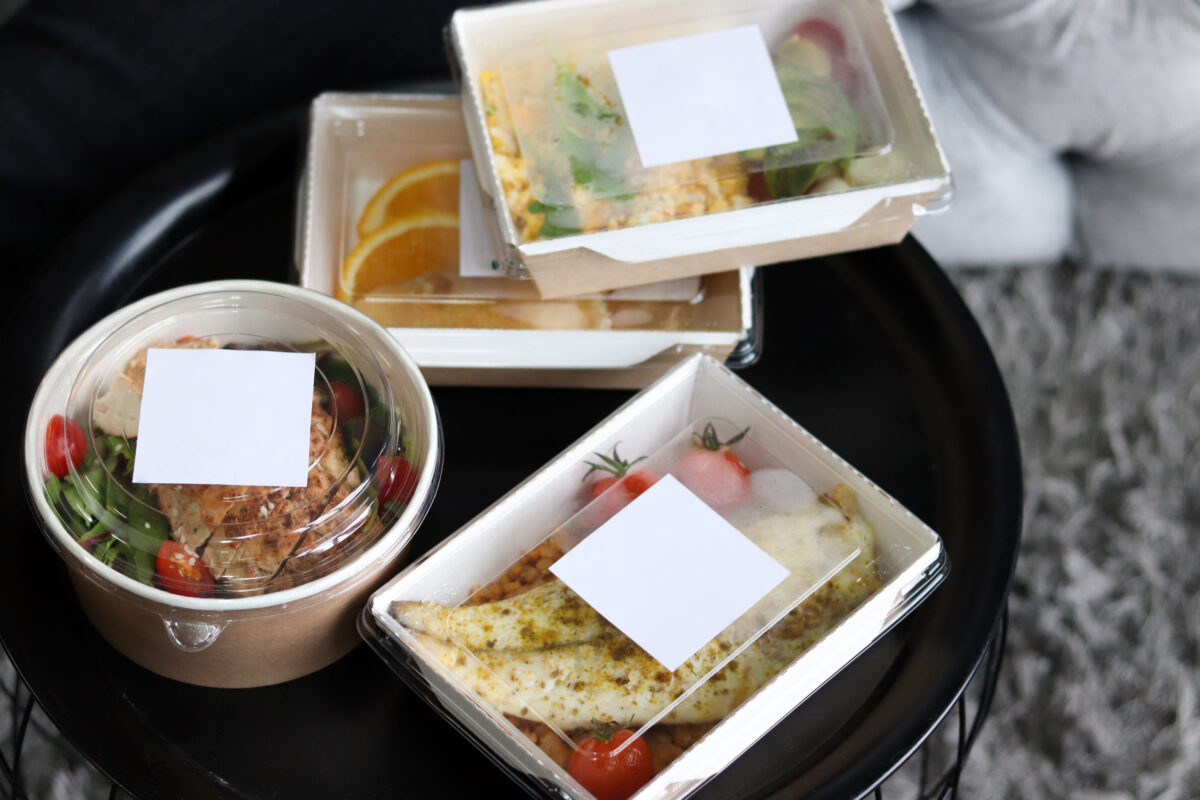
When there’s a spread of food, it can be hard to know what you’re grabbing, especially if you have dietary restrictions or preferences.
For instance, you might be allergic to nuts or want to avoid dairy, but you’re unsure which dishes contain these ingredients.
How to Solve It:
The simple solution is to ask each guest to label their dish. Labels should include the dish’s name, the main ingredients, and whether it contains common allergens like nuts, dairy, or gluten. If you’re the host, provide some basic signs or markers to make this process easier.
You can even create a simple menu board to highlight all the dishes in the spread. This small act will go a long way in making sure everyone can enjoy the food without worry.
Spilling, Cracking, or Messy Dishes
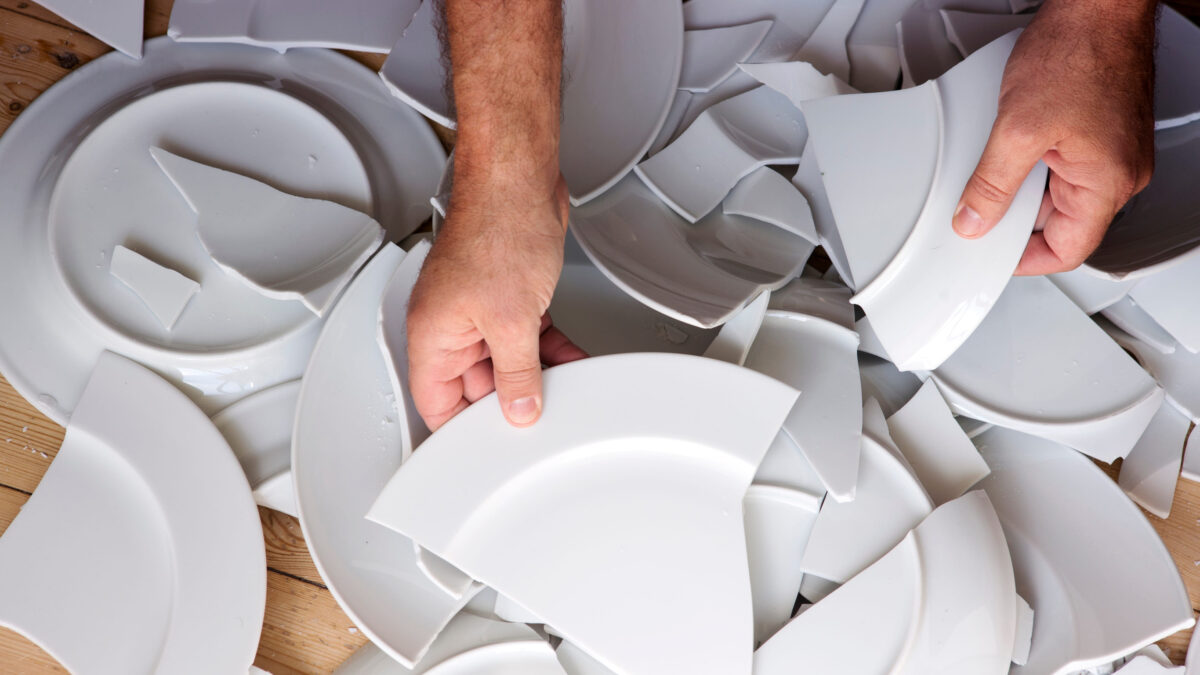
Potluck dishes often have to travel, which can be a disaster if the containers aren’t properly secured. Spills, cracks, and general messes can be a real problem when transporting delicate or soupy dishes.
No one wants to arrive with a casserole that’s slid to one side or a dessert that’s spilled over.
How to Solve It:
Invest in good-quality containers with secure, tight-fitting lids. For dishes prone to spilling, use plastic wrap and foil to seal the edges. Some dishes may require a travel-friendly method, such as Tupperware or a sturdy dish carrier designed for potlucks.
If you’re bringing something that needs to be served warm, consider using a slow cooker or a portable chafing dish. If a dish needs to stay cold, use a cooler with ice packs for an extra layer of protection.
Overcooked or Undercooked Food
Sometimes, no matter how well-prepared you are, things can go wrong with the cooking process.
Overcooking can dry out meats, while undercooking can make dishes unsafe to eat. Both are embarrassing situations for anyone involved.
How to Solve It:
Do a trial run of your dish a day or two before the potluck, especially if it involves intricate cooking techniques.
This way, you can troubleshoot cooking times, oven temperature, and flavor balance. If you’re making something like a casserole or roast, aim to cook it slightly underdone at home and finish it off at the potluck. To avoid any mishaps, it’s a good idea to bring a kitchen thermometer for last-minute checks. As a host, always have an oven or microwave on hand for reheating and finishing off dishes if necessary.
Guests Not Following Instructions
Sometimes guests don’t read the invitation thoroughly, or, worse, they forget to bring what they agreed to bring. This can lead to missing dishes or confusion during setup.
How to Solve It:
If you’re organizing the event, follow up with a quick reminder a few days before. Make sure to send a clear and detailed list of what each guest is bringing, along with any instructions.
For example, “Please bring a salad with no nuts” or “Bring a dessert that doesn’t require refrigeration.” If you’re attending, be sure to stick to the plan and bring exactly what you committed to. Open communication is key to avoiding last-minute disappointments.
Unwanted Drama or Poor Potluck Etiquette

Potlucks are meant to be fun and relaxed, but there’s always the risk of drama,whether it’s due to someone showing up late, not contributing enough, or displaying poor manners at the table.
How to Solve It:
Set clear expectations from the start. If you’re hosting, kindly remind guests that it’s important to arrive on time and contribute as agreed. If you’re attending, practice good potluck etiquette: be polite, offer to help clean up, and don’t monopolize any particular dish. A positive, easygoing attitude goes a long way in keeping the mood light and ensuring everyone has a great time. It’s also helpful to encourage an inclusive and respectful atmosphere, where all guests feel welcome and comfortable.
Conclusion
Potlucks are all about community and good food, but they can quickly become stressful if the above issues aren’t handled proactively. By taking charge of the planning process, being mindful of dietary needs, and keeping things organized, you’ll make sure your next potluck is a resounding success.
The key is communication and preparation, ensuring there’s variety, that all dishes are labeled, and that no one goes home hungry or disappointed. When you solve these common problems like a pro, you’ll not only create a memorable event but also solidify your reputation as the ultimate potluck organizer. So, the next time you’re hosting or attending one, keep these tips in mind, and enjoy the feast!