Cottage Cheese Is Taking Over Everything From Pancakes to Pasta
Cottage cheese has apparently decided that sitting quietly beside a few slices of fruit is no longer enough. It’s showing up in pancakes, creamy sauces, flatbreads, smoothies, and desserts, with home cooks finding new uses for an ingredient that once seemed destined for the snack bowl. The same curds that divide people at breakfast are now being blended into foods that look nothing like cottage cheese. That transformation is a big part of its appeal.
This isn’t just your social feed getting stuck on one ingredient.Cottage cheese sales exceeded $2 billion in 2025, an 82% increase from the end of 2022, according to Circana figures cited by The New York Times and reported by AARP. Those are sales figures, not a recipe count, so they can’t claim “more recipes than ever.” They do show a substantial comeback, and there are clear reasons this familiar dairy food is getting so much attention.
Protein Got It Noticed, but Versatility Keeps It Interesting

The biggest driver is the appetite for protein-rich foods. Registered dietitian Lisa Valente told Yahoo Health that cottage cheese appears to be “riding the coattails” of the protein-maxxing trend. That helps explain why an ordinary supermarket staple has become an online favorite: it already contains the nutrient people are trying to add to meals. Nobody had to invent a new supplement or give the dairy aisle a laboratory makeover. health.yahoo
Its protein content is meaningful, although the precise amount depends on the product. AARP, citing Harvard’s T.H. Chan School of Public Health, reports that a half-cup serving of 4% full-fat cottage cheese provides about 14 grams of protein and 120 calories. Yahoo Health lists about 12 grams of protein for a roughly half-cup serving of 2% cottage cheese. Those figures remind you to read your own tub’s label rather than assume every brand and variety is identical. health.yahoo
Convenience also matters. “Cottage cheese is quick and easy,” Jamie Allers, a registered dietitian with Hartford HealthCare’s Digestive Health Institute, says in the health system’s guide to using it. Her suggestions cover both sweet and savory food, from fruit-topped snacks to soups and egg dishes. That range gives cottage cheese something a narrowly focused food trend may lack: several ways to fit into meals people already know how to make.
Then there is the creativity. “People are getting really creative with it,” Valente told Yahoo Health. “Instead of just scooping it into a bowl with fruit, they’re making protein-rich cookie dough, dips, sauces and smoothies.” The shift is less about discovering a brand-new food than about finding new uses for an existing one. Cottage cheese is moving from the side of the plate into the recipe itself, giving cooks more opportunities to try it.
The Blender Is Doing Some Serious Public Relations
For anyone whose objection begins and ends with the curds, the key development is blending. It changes the texture, opening the door to recipes in which visible lumps would be unwelcome. Registered dietitian Abbey Sharp put it succinctly in an interview with Yahoo Health: “Blending is a game changer.” She explained that blended cottage cheese becomes smooth and creamy, making it useful in pasta sauces, dips, smoothies, pancake batter, and desserts such as mousse and cheesecake.
That does not mean every recipe needs a dramatic reinvention. Allers recommends blending a little cottage cheese into soups or sauces for a thicker, richer texture. She also suggests using it in omelets, quiches, and frittatas. These are approachable applications because the ingredient joins a familiar dish rather than asking the cook to master an entirely different one. A creamy sauce or egg dish can be a less intimidating introduction than a plain spoonful of curds.
Pancakes offer another straightforward entry point. Hartford HealthCare’s recipe suggestion blends half a cup of oats, half a cup of cottage cheese, and three eggs, then cooks the mixture in a pan like regular pancakes. Its flatbread method uses one cup of cottage cheese, two eggs, and seasonings, blended and spread on a prepared sheet pan. That mixture bakes at 350°F for 30 to 45 minutes, until golden brown, with specific instructions, rather than a vague promise that cheese can magically become bread.
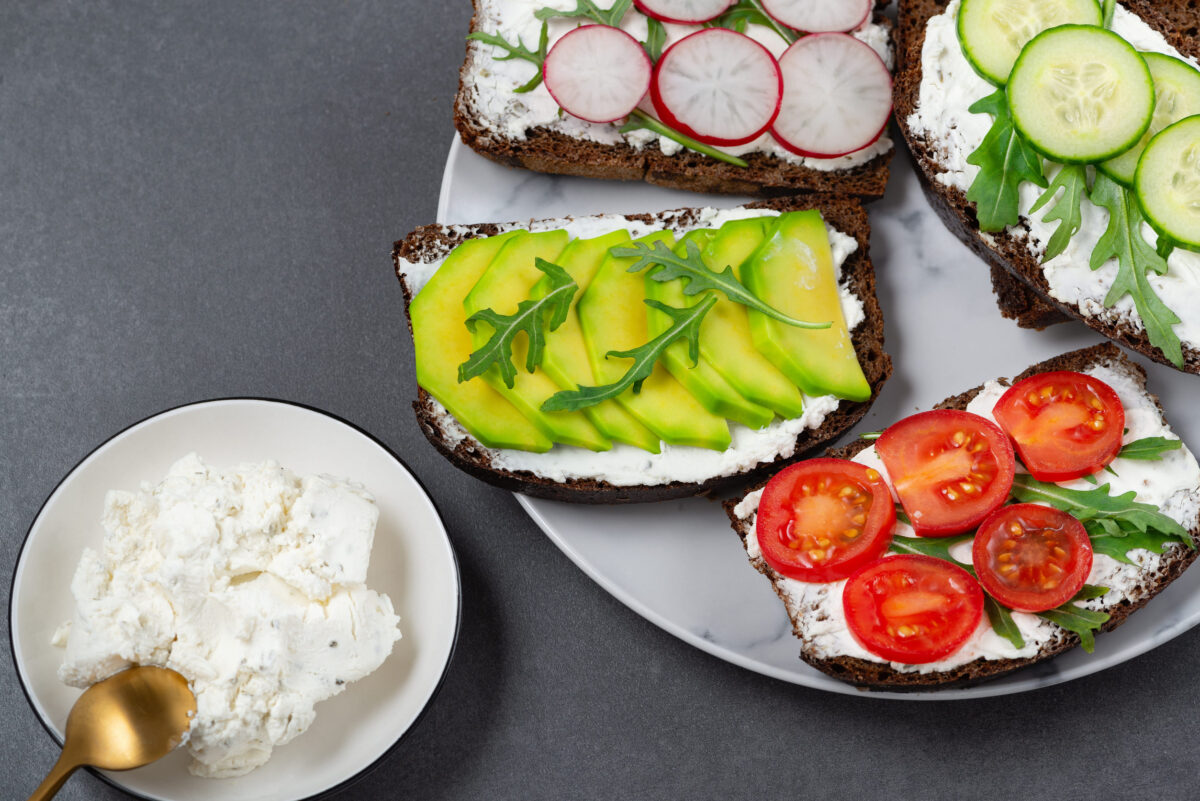
Simpler options exist, too, especially for people who enjoy the original texture. Allers suggests cottage cheese with garlic powder and fresh herbs as a vegetable dip, or a sweet combination of cinnamon, orange zest, nuts and fruit. Sharp recommends pairing it with crunchy foods, including toast, crackers, or cucumber slices. The point is not that everyone must disguise cottage cheese. It is that cooks now have choices beyond eating it straight from the container.
Related; No, Tillamook Didn’t Just Make Its Cheese Halal: It Always Was
A Useful Ingredient Is Not a Miracle Food
The enthusiasm comes with a necessary reality check. “Social media has a tendency to take a perfectly good food and turn it into a miracle food,” Sharp told Yahoo Health. Cottage cheese provides protein and other nutrients, but that doesn’t make it a guaranteed route to weight loss or an essential part of a healthy diet. Its usefulness is the story; claims that one tub can solve every nutrition goal are not.
The label deserves attention as well. Cottage cheese varies in fat content, and some products contain added sugar or flavorings. Sodium is another consideration. “Traditional cottage cheese is naturally fairly high in sodium, so if someone has been advised to limit sodium, it may be worth comparing brands,” Sharp said. Checking serving sizes and nutrition information is more informative than choosing a product solely because its packaging advertises “high protein.”
And nobody needs to force a relationship with the curds. “There’s no one-size-fits-all answer or food for everyone,” Allers says, noting that other foods can supply protein and calcium. Cottage cheese’s comeback makes sense because it combines a protein-rich profile with genuinely flexible uses in the kitchen. Enjoy it in pancakes, blend it into a dip or keep the fruit bowl tradition alive, but let taste and the recipe earn it a place in your refrigerator, not the pressure of a viral trend.