6 Cholesterol Wreckers Hiding in Everyday Meals
Cholesterol trouble rarely begins with one dramatic meal. It usually sneaks in through the foods people eat on autopilot, the crispy breakfast bacon, the creamy coffee add-in, the fried lunch, the buttery dinner roll, and the sweet drink that feels too harmless to matter.
The real problem is that many of these foods are everyday favorites, so they build a quiet pattern before the body sends any warning signs.
LDL cholesterol is often called “bad” cholesterol because high levels can contribute to plaque buildup in the arteries, raising the risk of heart disease and stroke.
The biggest dietary offenders are usually foods high in saturated fat and trans fat, since these can push LDL cholesterol in the wrong direction.
Processed Meats

Bacon, sausage, hot dogs, deli meats, pepperoni, and salami may be convenient, but they are some of the harshest foods for anyone trying to protect their cholesterol.
These meats often contain high levels of saturated fat, sodium, and preservatives, making them a poor daily habit for heart health. A weekend treat is one thing, but turning processed meat into a breakfast routine can slowly stack the odds against your arteries.
The smarter move is not to make breakfast boring. Swap sausage links for eggs with vegetables, grilled fish, beans, avocado toast, oatmeal, or turkey options that are genuinely low in saturated fat.
The goal is not punishment. It is simply a matter of stopping a few salty strips of meat from controlling the health score of your entire morning. Red and processed meats are repeatedly listed among foods to limit for high cholesterol due to their saturated fat content.
Fried Foods

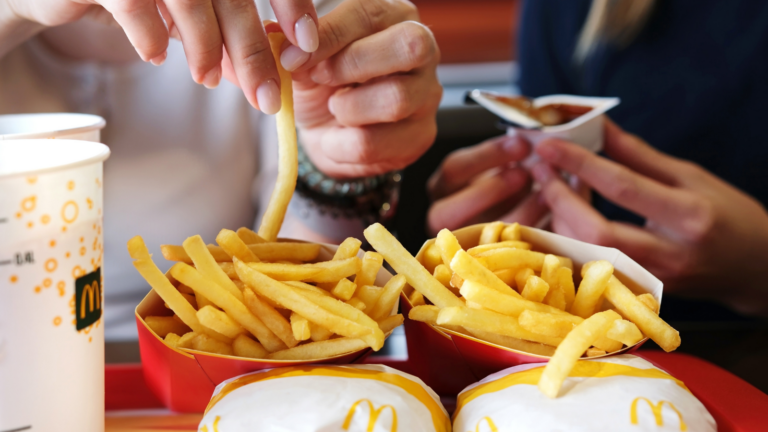
Fried chicken, fries, onion rings, fried fish sandwiches, mozzarella sticks, and fast food nuggets are comfort foods with a catch. They often combine refined starch, added salt, saturated fat, and, sometimes, unhealthy frying oils into one crunchy package.
That crispy coating may taste like a reward, but your cholesterol profile may read it like a warning sign.
The issue becomes worse when fried foods replace healthier staples like grilled proteins, vegetables, beans, and whole grains. Baking, air frying, grilling, broiling, or roasting can keep the flavor without turning every meal into a grease festival.
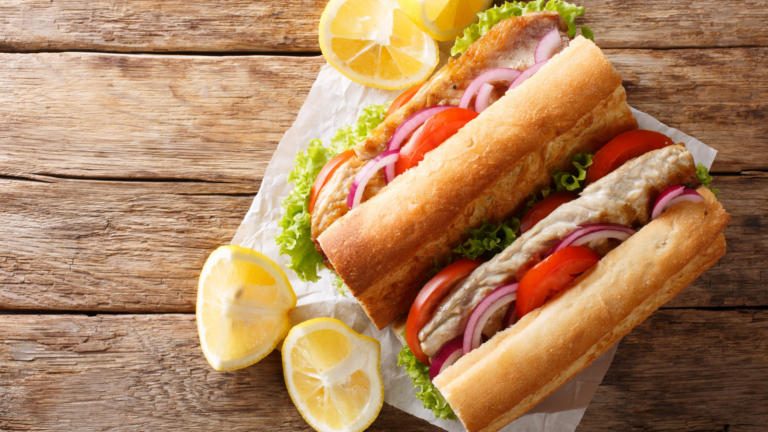
Studies recommend preparing fish baked, broiled, grilled, or boiled rather than breaded and fried, especially for people focused on heart health.
Full-fat dairy

Butter, cream, whole milk, full-fat cheese, sour cream, and ice cream are not always dangerous because people often eat them in small portions. The problem is repetition.
A pat of butter here, creamy coffee there, a cheese-heavy snack later, and suddenly the day carries far more saturated fat than expected.
This does not mean every dairy product has to disappear from the kitchen. Low-fat milk, plain yogurt, fortified plant-based milk, olive oil, avocado, and nut-based spreads can add richness to meals without relying too heavily on saturated fat.
The American Heart Association identifies full-fat dairy products and butter as common sources of saturated fat, and it notes that eating more saturated fat may raise LDL cholesterol.
Baked Sweets

Cookies, pastries, doughnuts, cakes, pies, muffins, and packaged desserts often wear a friendly face. They look like little treats, not heart health problems.
Yet many baked sweets combine saturated fat, refined flour, sugar, and sometimes hidden trans fats, especially in highly processed versions.
This is where portion size and frequency matter. A homemade dessert once in a while is very different from a daily pastry habit that shows up with coffee, snacks, and late-night cravings.
Better choices include fruit with yogurt, oatmeal with berries, dark chocolate in small amounts, or homemade baked goods made with unsaturated oils and less sugar.
Trans fats are especially damaging because they can raise LDL cholesterol and lower HDL cholesterol, which is the opposite of what the heart needs.
Coconut Oil and Palm Oil

Coconut oil has enjoyed a shiny health halo for years, but that does not make it a cholesterol-friendly choice. It is high in saturated fat, and that matters even if the label looks natural, tropical, or wellness approved.
Palm oil can create the same problem, especially in packaged snacks, spreads, baked goods, and processed foods.
The trick is to stop judging oils by marketing language and start judging them by fat quality. Olive oil, canola oil, avocado oil, nuts, seeds, and fatty fish provide more unsaturated fats, which is generally a better direction for heart health.
Coconut and palm oils are among the tropical oils that contain saturated fat, and major heart health sources advise limiting saturated fat to help manage LDL cholesterol.
Sugary Drinks

Soda, sweet tea, energy drinks, flavored coffees, bottled smoothies, and sugary juices may not contain cholesterol, but they can still contribute to a bigger picture of heart health.
These drinks make it easy to consume a large amount of sugar without feeling full, which can contribute to weight gain and unhealthy triglyceride levels. That matters because cholesterol is only one part of the broader cardiovascular risk story.
The most dangerous thing about sugary drinks is how normal they feel. A sweet drink with lunch, another in the afternoon, and a dessert-style coffee later can turn sugar into a daily flood.
Water, sparkling water, unsweetened tea, black coffee, or fruit-infused water are not flashy, but they do the job without quietly pushing the body into a worse metabolic lane.
For cholesterol control, leading heart health guidance consistently points toward a diet rich in fruits, vegetables, whole grains, beans, and healthier fats while reducing saturated fat, trans fat, and excess sugar.
What to Eat More Often Instead

A cholesterol-friendly diet does not have to taste like cardboard. Oats, beans, lentils, fruits, vegetables, nuts, seeds, olive oil, whole grains, and fish can make meals filling, colorful, and satisfying.
These foods work because they shift the plate away from saturated fats and toward fiber, unsaturated fats, and nutrient-dense ingredients.
Small swaps can make a bigger difference than people expect. Choose oatmeal instead of a bacon-loaded breakfast sandwich. Pick grilled chicken or salmon instead of fried fast food. Use olive oil instead of butter more often. Add beans to soups, salads, and rice bowls. These changes do not require a perfect diet, just a more consistent one.
Conclusion
The worst foods for cholesterol are not always shocking. They are often the familiar foods that keep showing up on the plate because they are fast, salty, creamy, crispy, or sweet.
Processed meats, fried foods, full-fat dairy, baked sweets, tropical oils, and sugary drinks can quietly push a heart-healthy diet off course when they become regular habits.
The good news is that cholesterol-friendly eating is not about fear. It is about pattern control.
Keep the occasional treat, but stop giving the worst offenders a permanent seat at the table. Your arteries do not need perfection. They need better choices repeated often enough to matter.