9 Foods Boomers Ate Every Week That Have Almost Disappeared From American Homes
Baby boomers grew up in a time when the weekly menu barely changed. Monday might be leftovers, Friday was often fish, and Sunday meant a big family dinner. Mothers cooked what was affordable, filling, and familiar, and children ate what was put in front of them.
Many of those weekly meals have quietly vanished from today’s kitchens. Busy schedules, new food trends, and endless takeout options have pushed them aside. Some younger Americans have never even heard of dishes that their parents and grandparents ate every single week.
These nine foods were once regular features on boomer dinner tables, and they have almost disappeared from American homes. For many people, just reading the list will bring back the smell of their childhood kitchen.
1. Liver and Onions
Liver and onions was a weekly meal in many boomer households. It was inexpensive, rich in iron, and considered very healthy. Mothers fried slices of beef liver and smothered them with caramelized onions.
Many children dreaded liver night and tried every trick to avoid eating it. Some hid it in their napkins or fed it to the family dog. Today, liver and onions is rarely cooked at home, though it still appears on the menus of some old-fashioned diners.
2. Spam
Spam was a regular part of many boomer diets, especially in the years after World War II. It was cheap, shelf-stable, and easy to cook. Families fried slices for breakfast, baked it with a glaze for dinner, or put it in sandwiches.
Spam became popular during the war when it was shipped to soldiers overseas, and it stayed in American kitchens long after. While it is still sold today and remains beloved in places like Hawaii, it is no longer a weekly meal in most homes.
3. Salmon Patties
Salmon patties, also called salmon croquettes, were a budget-friendly dinner made from canned salmon. The fish was mixed with crackers, eggs, and onion, then shaped into patties and fried. They were especially common in Southern and Midwestern homes.
Many boomers remember picking out the small, soft bones from the canned salmon. Some mothers mashed them into the patties for extra calcium. Today, fewer families keep canned salmon in the pantry, and these patties have become a nostalgic treat rather than a weekly meal.
4. Creamed Chipped Beef
Creamed chipped beef on toast was a regular breakfast or supper in many boomer homes. Thin slices of dried beef were cooked in a white sauce and served over toast. It was quick, cheap, and filling.
Many fathers who served in the military had eaten it often and continued to enjoy it at home. Jars of dried beef were common in pantries. Today, it is far less common, and many younger people have never tasted it.
5. Fish Sticks on Friday
Fish sticks became popular in the 1950s and quickly became a Friday night tradition in many boomer homes, especially Catholic ones. They were easy to bake straight from the freezer and kids loved them with tartar sauce or ketchup.
While fish sticks are still sold today, they are no longer the weekly ritual they once were. Many families have moved on to other quick dinners. For boomers, though, the sight of a box of fish sticks still brings back memories of Friday nights.
6. Tuna Casserole
Tuna casserole was a weekly favorite in countless boomer households. It combined canned tuna, egg noodles, and cream of mushroom soup, topped with potato chips or bread crumbs. It was an affordable way to feed a big family.
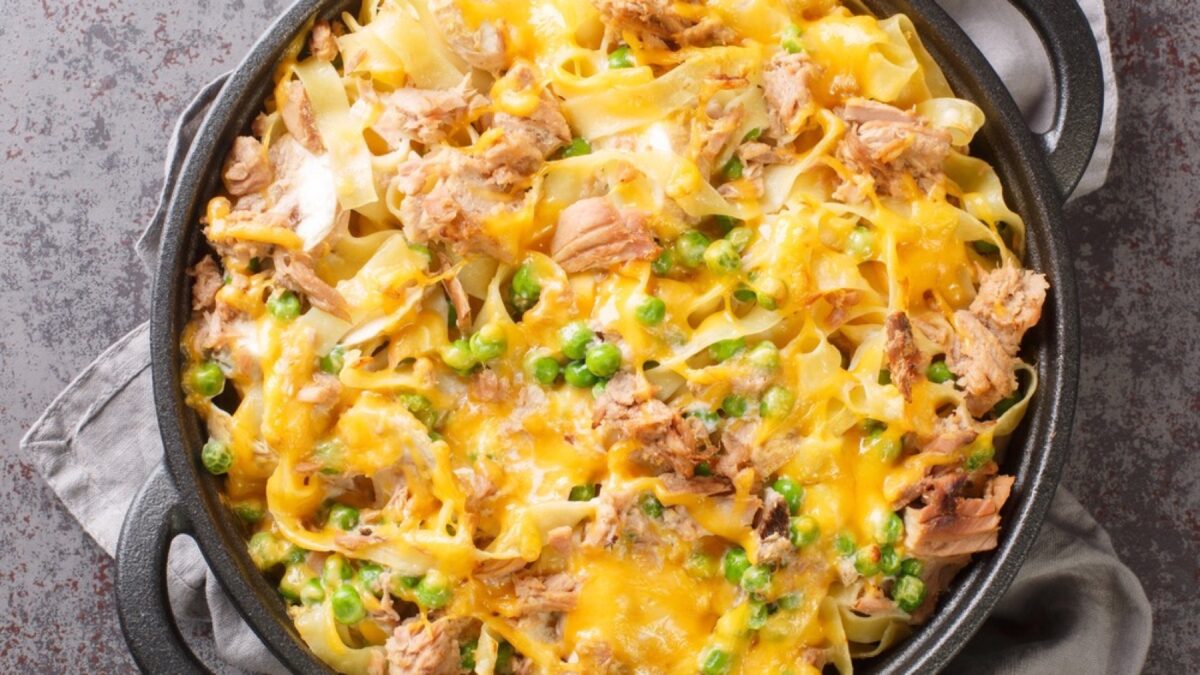
Casseroles were a big part of mid-century cooking, and tuna casserole was among the most common. Many boomers have fond memories of it, while others never want to see it again. It has become far less common in modern kitchens.
7. Hot Dogs and Beans
Hot dogs and beans, often called franks and beans, was a cheap and easy dinner in many boomer homes. Canned baked beans were heated with sliced hot dogs, sometimes with a little brown sugar or ketchup added. It was a favorite on busy nights.
Kids loved it because it was simple and sweet. Parents loved it because it was fast and inexpensive. While some families still make it, franks and beans is no longer the weekly staple it once was.
8. Stewed Tomatoes
Stewed tomatoes were a common side dish in many boomer households. Canned or home-canned tomatoes were heated with sugar, butter, and sometimes bread cubes. They were served alongside meat and potatoes.
Some families ate them over rice or with cornbread. Today, many younger people find the idea of sweetened stewed tomatoes strange. The dish has nearly disappeared from modern dinner tables.
9. Bread Pudding
Bread pudding was a popular dessert in boomer homes because it used up stale bread. Mothers soaked leftover bread in milk, eggs, sugar, and spices, then baked it until golden. Raisins were often added.
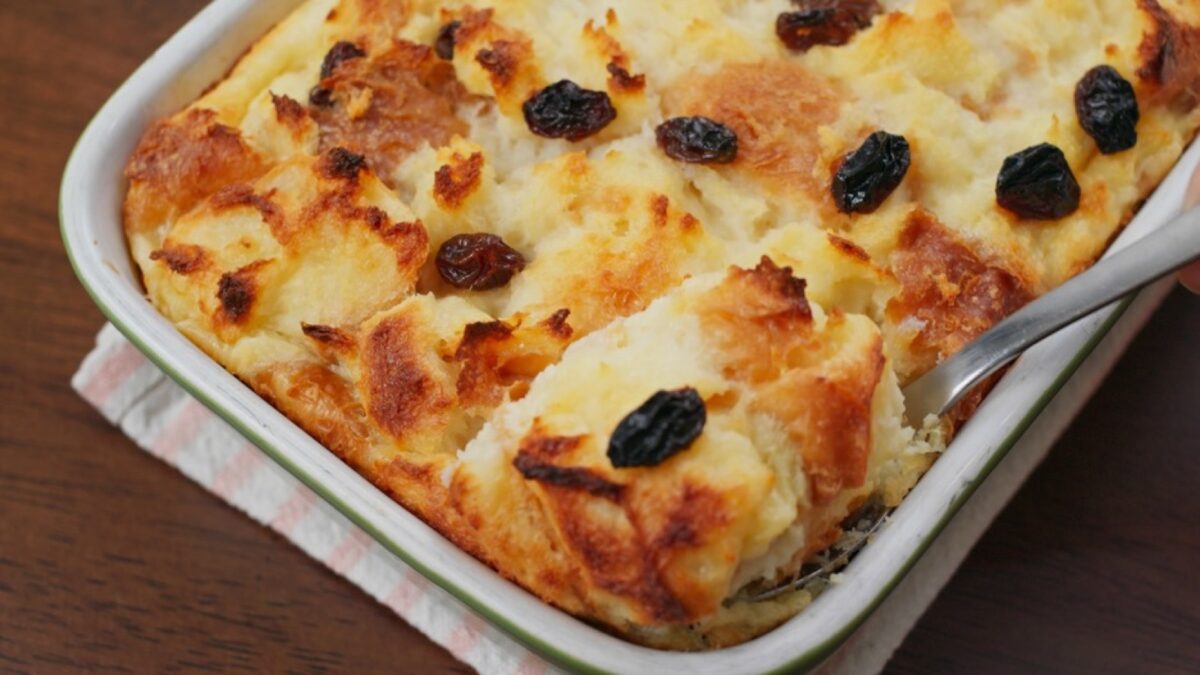
It was a frugal dessert that turned leftovers into something comforting. Today, bread pudding is more often seen in restaurants than at home. Many boomers remember it as one of the coziest desserts of their childhood.
Why These Meals Mattered
Many of these weekly staples came from parents who had lived through the Great Depression and World War II. Canned and preserved foods were practical, affordable, and safe to store for long periods. Spam, for example, became famous after Hormel shipped huge amounts of it to Allied troops during the war, as Britannica explains, and many soldiers came home with a taste for it.
The weekly rhythm of meals also gave families a sense of order. Children knew that Friday meant fish sticks and Sunday meant a bigger dinner. Mothers could plan their shopping around a familiar menu and make sure the budget stretched to the end of the month.
Many boomers still find comfort in these simple foods, even if they rarely cook them anymore. Some have started making them again for their grandchildren, sharing stories about what dinner was like when they were young. It is part of a broader pattern of boomer favorites slowly fading as younger generations develop their own tastes, even as many of the foods boomers loved still bring a smile.
Why These Foods Disappeared
Many of these foods disappeared because of changing tastes, health concerns, and busier lifestyles. Families today have far more choices, and many prefer fresh ingredients or international flavors. Convenience foods and takeout have also replaced many home-cooked meals.

These dishes hold a special place in boomer memories because they remind people of family dinners and simpler times. Try making one of them this week, and you may be surprised by how many stories it brings to the table.