7 Buffet Mistakes That Can Ruin Your Meal
Buffets look like a dream until one careless plate turns the whole experience into regret. The rows of food, the endless options, the dessert station calling your name from across the room, it all feels like permission to eat without rules. But that is exactly where many people get it wrong.
A good buffet is not about eating everything in sight. It is about choosing wisely, pacing yourself, and knowing which small mistakes can quietly turn a fun meal into bloating, disappointment, or even food safety trouble. The smartest buffet diners do not rush, pile, or panic. They move with a plan, and that plan makes the meal taste better from start to finish.
Loading Your Plate Too Quickly
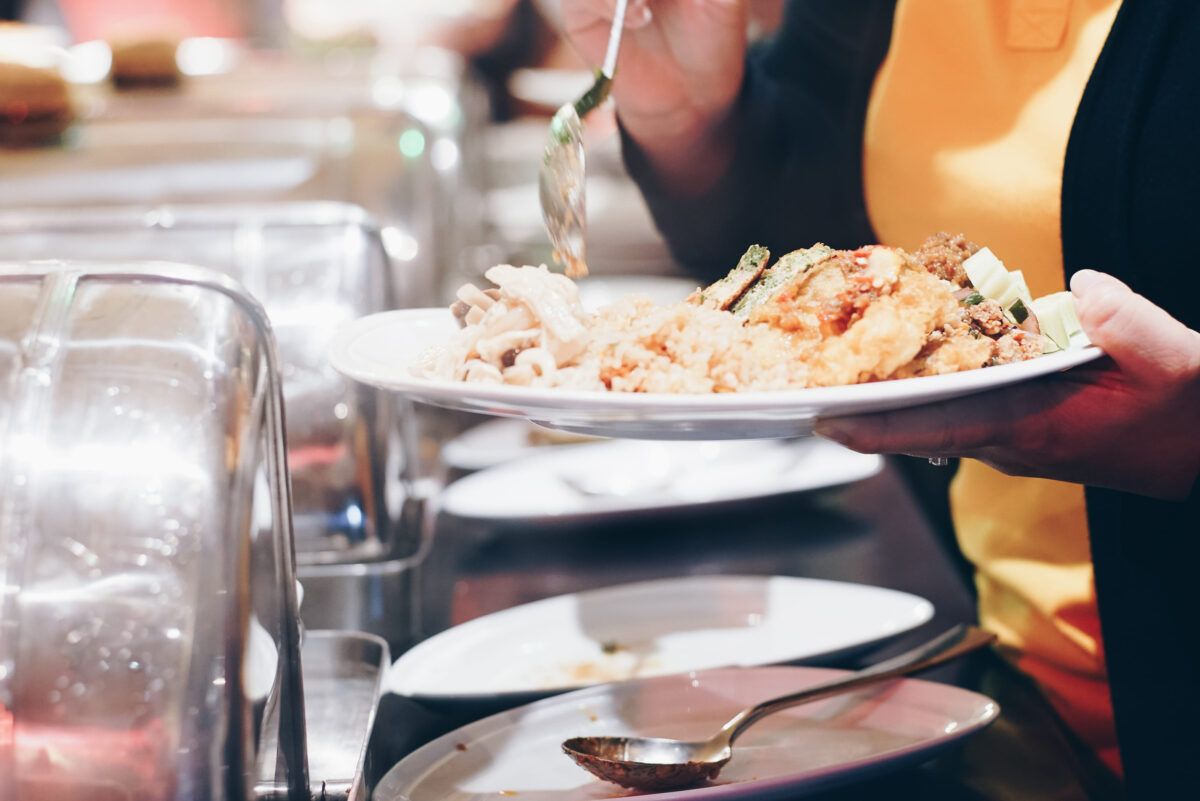
The biggest buffet mistake is treating the first plate like the last plate. Many people walk in hungry, see a table full of food, and start piling rice, pasta, meat, salad, bread, and fried items all together before they have even seen the full spread. That first rush can ruin the meal, leaving no room for better choices at the other end of the buffet line.
Buffets reward patience. Before picking up the serving spoon, take a slow walk around the stations and scan everything first. You may discover a carving station, fresh seafood, better sides, or a dessert worth saving room for. When you build your plate too early, you often end up eating average food simply because it was the first thing you saw.
Mixing Too Many Flavors At Once

A buffet plate can turn into chaos fast. Sweet barbecue sauce, creamy pasta, spicy curry, fried chicken, sushi, mashed potatoes, fruit salad, and gravy do not always belong together. Even when each item tastes good on its own, mixing too many flavors can make the meal feel heavy, confused, and less enjoyable.
The better approach is to create plates with a theme. Try one plate for lighter starters, another for hot main dishes, and another for dessert. This keeps flavors clean and helps you enjoy each food properly. A buffet should feel like a meal, not a food fight happening on one plate.
Ignoring Food Temperature
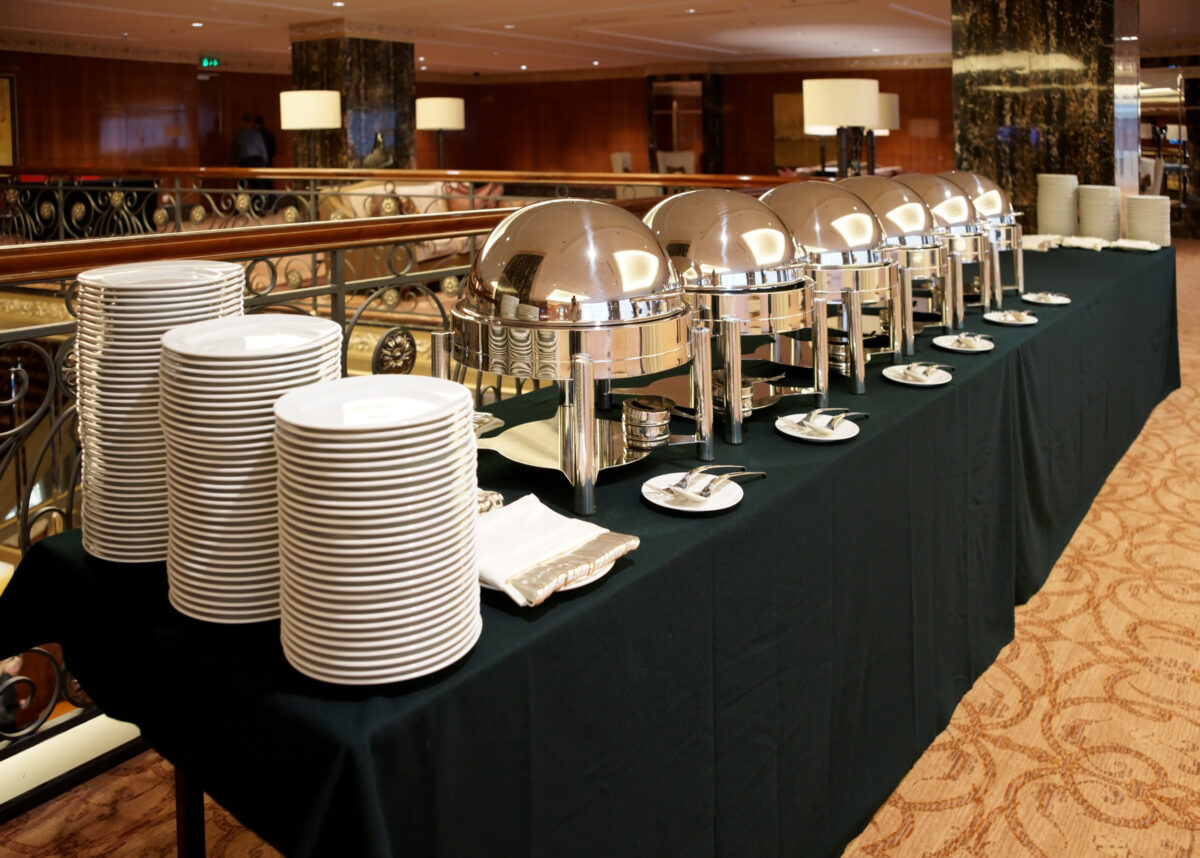
Temperature matters more than people think at a buffet. Hot food should be hot, and cold food should be cold. If something warm looks dry, lukewarm, or tired under the heat lamp, it may not taste good and may not be worth the risk. Food that has been sitting out too long often loses its texture, freshness, and appeal.
Pay attention before serving yourself. Steam rising from a dish is usually a good sign. Cold items should look crisp, chilled, and fresh, not wilted or watery. If a creamy salad looks dull, a seafood dish smells too strong, or a tray looks like it has been sitting untouched for ages, skip it. A smart buffet plate starts with food that looks alive, not exhausted.
Taking Too Much Of Unfamiliar Food
Buffets are perfect for trying something new, but they are also where curiosity can become a waste. Many people scoop a large serving of an unfamiliar dish, only to realize after one bite that the flavor is not for them. Now the plate feels crowded, the appetite drops, and the meal becomes less enjoyable.
Start small with foods you do not know. A spoonful is enough to test a new sauce, spice, texture, or cuisine. If you love it, you can always go back for more. That is the beauty of a buffet. There is no need to gamble half your plate on something you have never tasted before.
Forgetting To Pace Yourself
Buffets are designed to tempt you into eating faster than usual. The excitement of choice can make people rush through the first plate, return quickly for a second, then realize too late that they are already full. Once that heavy, uncomfortable feeling arrives, even the best dessert loses its charm.
Pacing is the secret to enjoying more without feeling miserable. Eat slowly, drink water, and give your body a few minutes between plates. You do not need to race anyone to the food line. A buffet meal should feel relaxed, not like a challenge you must win before the mashed potatoes disappear.
Skipping The Fresh Options
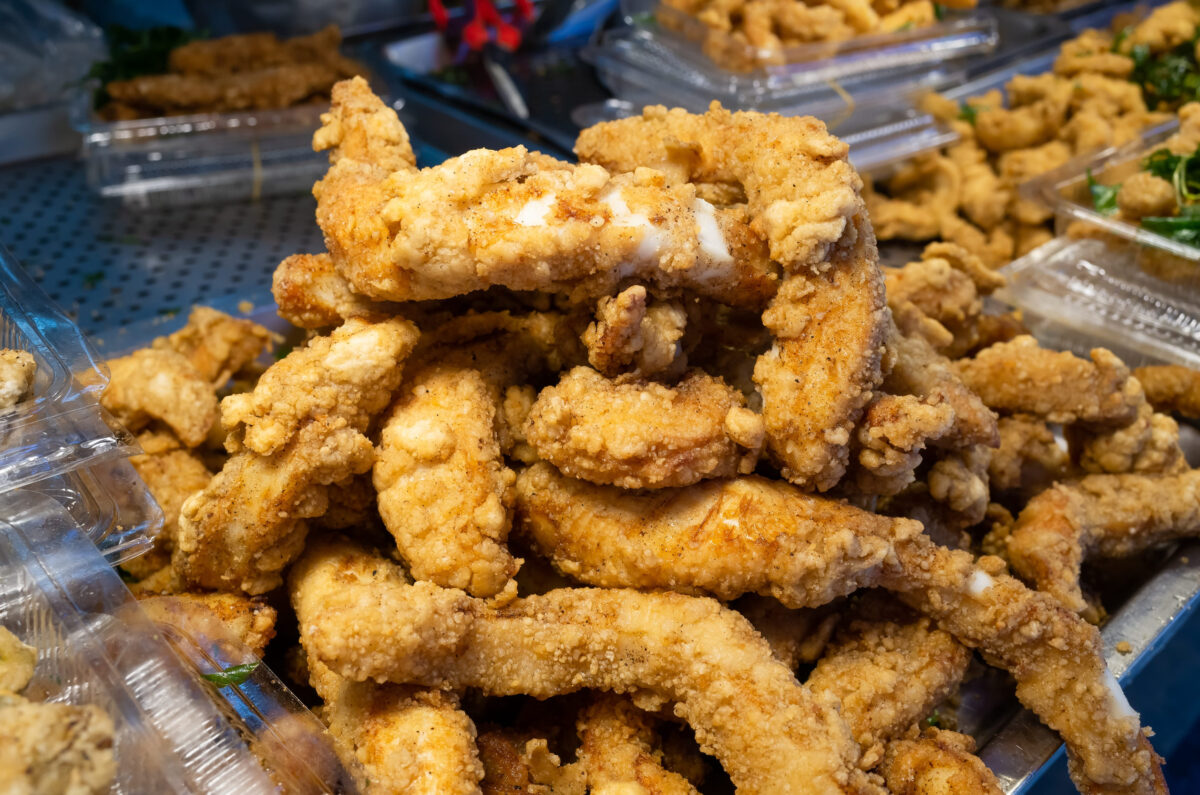
Fried foods, creamy casseroles, saucy meats, and rich desserts often get the most attention at buffets. They look comforting, smell amazing, and feel like the best value. But skipping fresh items completely can make the meal feel too heavy too soon. Without something crisp, juicy, or light, your plate can become one long parade of salt, grease, and sauce.
Fresh fruit, vegetables, simple salads, grilled items, and lighter proteins help balance the meal. They refresh your palate and make the richer foods taste better. This does not mean you need to eat like you are at a health retreat. It simply means your plate needs contrast. A little freshness can keep the whole buffet experience from turning sluggish.
Saving No Room For Dessert
Dessert is often one of the most exciting parts of a buffet, but many people forget to plan for it. By the time they reach the cakes, puddings, pies, pastries, or ice cream, they are already too full to enjoy anything. Then dessert becomes something they’re forced to eat instead of something they actually want.
The trick is to treat dessert like part of the meal, not an afterthought. If the dessert station looks good, leave space for it from the beginning. Choose one or two items that truly interest you, rather than grabbing every sweet thing available. A small, satisfying dessert tastes much better than a crowded plate eaten out of stubbornness.
Conclusion
A buffet can be one of the most enjoyable meals when you approach it with a little strategy. The mistake many people make is assuming that more food automatically means a better experience. In reality, the best buffet plate comes from patience, balance, and knowing when to stop.
Take time to look before serving, keep flavors organized, watch food temperature, and try unfamiliar dishes in small amounts. Pace yourself, add fresh items, and leave room for the sweet finish if dessert matters to you. A buffet should leave you satisfied, not stuffed, regretful, or disappointed. When you avoid these common mistakes, the whole meal feels smarter, tastier, and far more.