The Little Drink That Gives Dinner a Proper Ending
There is something satisfying about the moment when dinner is officially over, but nobody is ready to leave the table. The plates have disappeared, the conversation slows, and someone brings out one last small drink. That drink has a name: a digestif.
The tradition is especially strong in Italy, where an after-dinner digestivo can be anything from grappa to amaro, limoncello, or another herbal liqueur. But despite the name, the appeal isn’t necessarily about magically making a heavy meal disappear. It is about flavor, ritual, and giving the evening a proper finish.
What Exactly Is a Digestif?
Think of it as the final punctuation mark of a meal.
A digestif is traditionally an alcoholic drink served after eating, often in a small portion. In Italy, the ritual can come after dessert and coffee, with diners lingering rather than immediately getting up from the table. A guide to Italy’s after-dinner drinks describes this leisurely progression and highlights familiar choices such as grappa and amaro.
The category is surprisingly broad. Amaro tends to be bitter and herbal, grappa is a grape-based spirit distilled from winemaking leftovers, while sweeter choices such as limoncello bring citrus to the finish. There is no single “correct” digestif, which is part of the fun.
Amaro Brings the Bitterness
If dessert feels too sweet after a rich dinner, a bitter herbal drink can completely change the final taste in your mouth.
Amaro is less a single recipe than a family of Italian liqueurs made with varying combinations of herbs, roots, spices, flowers, fruit, and other botanicals. Some are dark and intensely bitter; others are lighter, sweeter and more citrus-forward. That enormous range means two bottles labeled amaro can taste almost nothing alike.
The history of bitters is equally fascinating. Herbal bitters were once closely associated with medicinal preparations before becoming part of drinking culture, and the Smithsonian’s history of bitters traces how these intensely flavored mixtures eventually found a place in cocktails and after-dinner drinking.
Then There Is Grappa
Grappa may sound intimidating, but its backstory is surprisingly practical.
Unlike wine, which is made from grape juice, grappa comes from grape pomace—the skins, seeds, stems, and other solids left after winemaking. Those leftovers are fermented and distilled, turning something that might otherwise be discarded into a distinctive Italian spirit.
That gives grappa an interesting place in food culture. It is both strongly associated with tradition and an example of resourcefulness in winemaking. Depending on the style, it can be floral, fruity, earthy, or fiery, and it is typically served in a small glass rather than poured like a generous cocktail.
Does It Actually Help Digestion?
This is where the digestif’s romantic story needs a reality check.
For generations, people believed bitter or herbal drinks encouraged digestion, which helped give the digestif its reputation. But drinking a high-alcohol beverage after a large meal isn’t a guaranteed digestive remedy, and alcohol can irritate the stomach or worsen symptoms for some people.
That doesn’t make the tradition pointless. It simply changes how we understand it. A small drink enjoyed slowly can be part of the social experience surrounding a meal without needing to be treated as medicine.
A Cup of Tea Can Play the Same Role
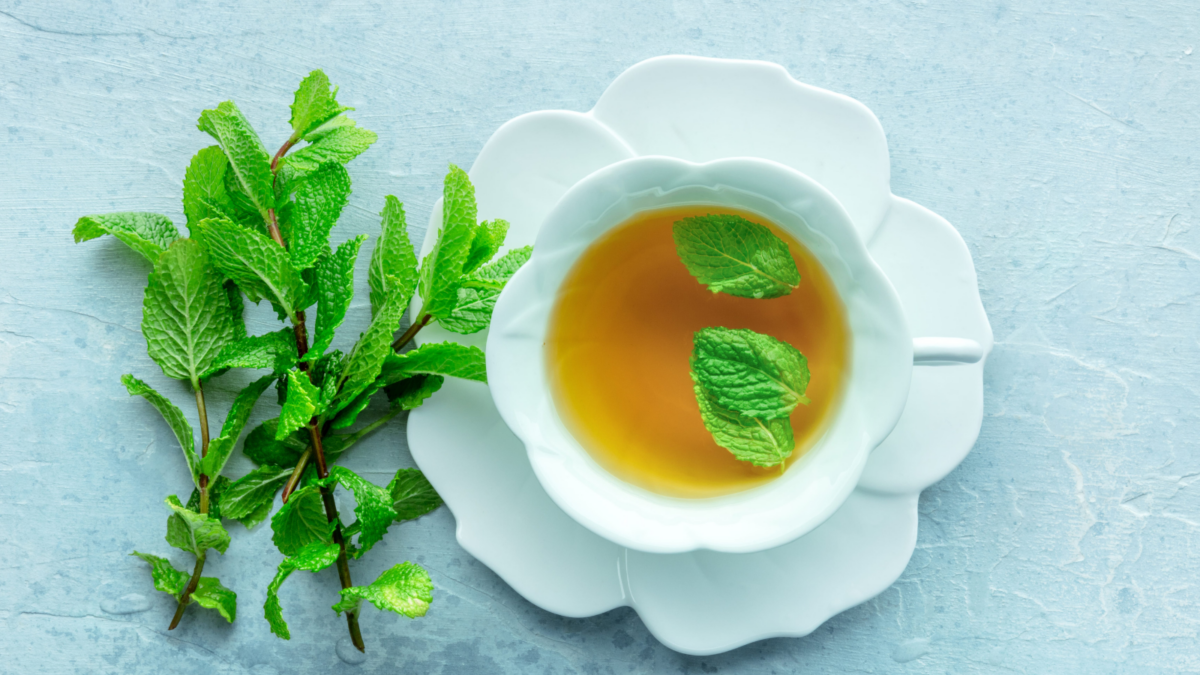
You don’t need alcohol to create that satisfying final pause.
Peppermint tea is an especially natural alternative because mint has a long history of traditional use for digestive complaints. The National Center for Complementary and Integrative Health’s peppermint information notes that research on peppermint leaf itself is limited. At the same time, some evidence exists for specific peppermint-oil preparations and irritable bowel syndrome symptoms.
Ginger tea, chamomile tea, or even a simple cup of decaffeinated tea can serve a similar social purpose. The point isn’t necessarily what is in the cup; it is the transition from eating to relaxing. Pairing that pause with other simple habits can turn an ordinary dinner into a much calmer end to the day.
The Best Digestif Is About the Mood
The smartest choice may be the one that makes you want to stay at the table a little longer.
After a rich meal, something bitter and herbal can provide contrast. After a spicy dinner, a refreshing citrus-based drink may feel more appealing. And after an enormous feast, a warm cup of tea may be far more welcome than another alcoholic drink.
That is why the digestif has survived for so long. It isn’t really about finding a magical stomach-soothing potion. It is about slowing down, appreciating the final flavors, and giving everyone a reason to linger for a few more minutes.
And perhaps that’s the part modern dining could use more of: not rushing toward the next thing as soon as the plates are cleared.
Would you rather finish a big dinner with a bitter amaro, a small glass of grappa, or a soothing cup of peppermint tea?