Is 3D-Printed Meat Already on Grocery Store Shelves in America?
Yes, according to Steakholder Foods, 3D-printed meat technology has entered the American grocery market, but there’s an important detail shoppers should know. The products involved are plant-based meat alternatives, not animal meat grown in a laboratory.
On September 3, 2026, Steakholder Foods announced that its Perfecta Premium Plant-Based Meat line had reached retail outlets in the northeastern United States.
That marks a significant step for a company specializing in 3D-printed food technology. However, it doesn’t mean these products are available at every supermarket, or that the meat in your grocery store’s refrigerated section has suddenly been replaced by something printed.
Here’s what the announcement actually means, what’s being sold, and what shoppers can expect.
3D-Printed Meat Technology Has Reached U.S. Grocery Retail
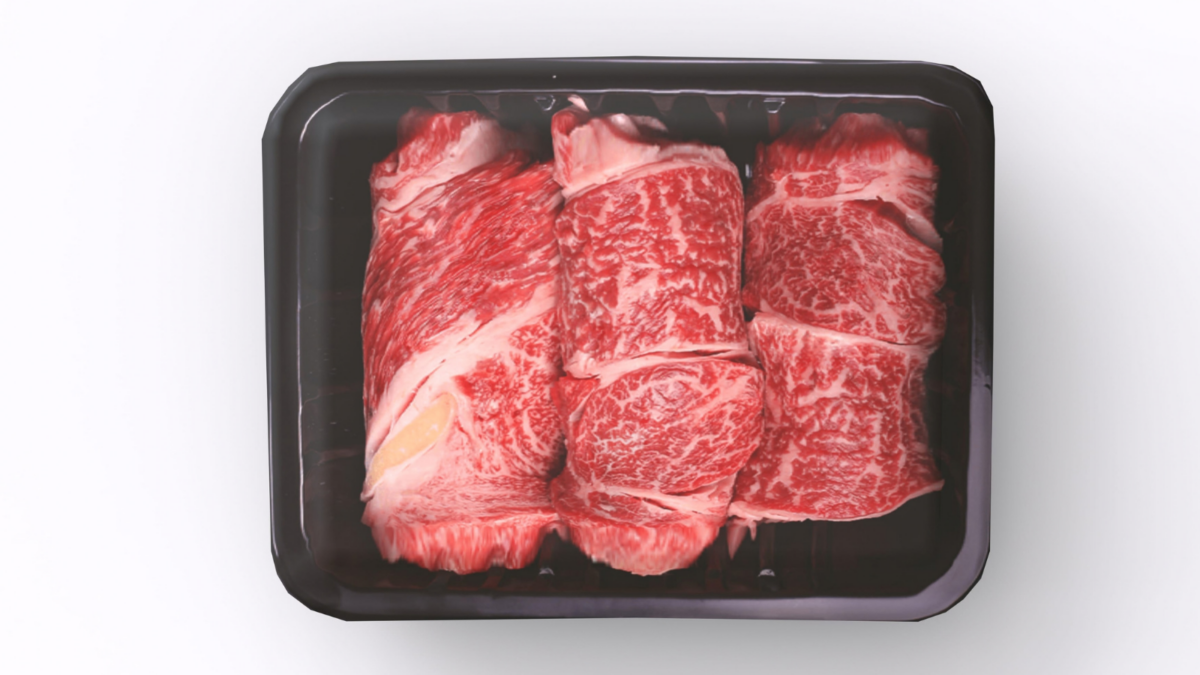
Steakholder Foods, a company developing advanced food-printing technology, announced the American retail debut of its Perfecta brand on September 3, 2026.
According to the company’s official retail launch announcement, the launch represents Perfecta’s first commercial placement on U.S. store shelves.
The rollout involves KeHE Distributors, a distributor of natural and specialty foods. The Northeast is the company’s initial retail market, with plans to expand into additional regions.
But there’s a difference between announcing a retail launch and confirming that a particular supermarket has the products available.
Steakholder Foods did not identify the participating supermarket chains or individual store locations in its September announcement.
That leaves a practical question unanswered: Which grocery stores can consumers actually visit to purchase these products?
For now, the announcement establishes a retail milestone, not widespread availability.
What Kind of Meat Products Are Being Sold?
The Perfecta lineup includes five products designed to resemble familiar meat and seafood options.
According to the manufacturer’s announcement and official Perfecta product lineup, the range includes:
- Plant-Based Marbled Steak: A meat alternative designed to resemble the appearance and texture of traditional steak.
- Plant-Based Filet Mignon: A plant-based interpretation of a familiar premium beef cut.
- Plant-Based Chicken Breast: An alternative developed to imitate the experience of eating chicken breast.
- Plant-Based Salmon Patties: A plant-based product modeled on a familiar seafood preparation.
- Plant-Based White Fish Patties: Another seafood-style alternative, designed to resemble fish patties.
The company markets these products as alternatives that reproduce characteristics associated with conventional meat, including fibrous textures and marbling-like structures.
Those descriptions reflect the manufacturer’s claims, rather than independently verified consumer taste tests.
Another important distinction is that the five products should not automatically be described as individually 3D-printed. The company’s broader production approach includes different manufacturing techniques.
Related: Union Report Warns Electronic Shelf Labels Could Raise Grocery Prices, Cut Jobs
How Does 3D Printing Actually Make Meat?
Forget the paper and plastic used in ordinary printing. Food printing works with edible materials instead. In basic terms, food-printing technology arranges ingredient mixtures into carefully designed structures.
Steakholder Foods specializes in methods intended to reproduce the layered characteristics of conventional meat, particularly the arrangement of muscle-like fibers and fat-like components.
Think about the difference between a traditional burger patty and a steak. A burger has a relatively uniform ground texture. A steak has more recognizable fibers, layers, and structural differences.
Those are the characteristics food-printing technology attempts to imitate.
Instead of simply mixing ingredients into one consistent mass, certain printing methods can position different mixtures in particular arrangements to create more complex textures.
However, not every product associated with Steakholder Foods necessarily uses the same manufacturing technique. The broader Perfecta range also includes patties produced in extruded formats, a different method of shaping food ingredients.
The September retail announcement doesn’t explain precisely how each of the five individual products is manufactured.
So while Perfecta comes from a company specializing in 3D-printed meat alternatives, saying that every item in the lineup was made by a 3D printer would go beyond the available information.
Is 3D-Printed Meat the Same as Lab-Grown Meat?
This is where the terminology can become confusing. 3D-printed food, plant-based meat, and lab-grown meat are not interchangeable terms.
Plant-based meat alternatives use ingredients derived from plants to create products that resemble conventional meat.
That’s the category Perfecta’s announced retail lineup belongs to. Cultivated meat, sometimes called lab-grown meat, involves a different process altogether.
According to the U.S. Food and Drug Administration’s explanation of cultured animal-cell foods, cultivated meat production begins with animal cells that are grown in a controlled environment. Those cells multiply and develop before being harvested and processed into food.
Conventional meat, meanwhile, comes from animals raised for food. 3D printing describes a manufacturing technique, not the source of a food’s ingredients. That means the phrase alone cannot tell shoppers whether a product contains plant-derived ingredients or cultivated animal cells.
Steakholder Foods has also explored cultivated-cell technologies, but that work is separate from the plant-based Perfecta retail launch.
The distinction matters because the September announcement does not establish that cultivated animal meat has become a routine purchase at American supermarkets.
Can You Find These Products at Your Local Grocery Store?
Here’s where things become less straightforward. The company has announced a retail launch in the northeastern United States, but its announcement does not identify which supermarket chains are participating.
There also isn’t enough verified information in the announcement to establish current inventory at specific locations. And although KeHE Distributors is involved, that doesn’t mean every grocery store working with KeHE carries Perfecta products.
Other unanswered shopping questions include retail prices, the number of participating stores, and the specific states where the products are stocked.
Perfecta’s official website displays its product lineup, but a product appearing on a manufacturer’s website isn’t confirmation that it’s available at a nearby grocery store.
If you’re curious about trying one, checking the manufacturer’s latest information or contacting a local retailer directly would be more useful than making a special shopping trip based solely on the announcement.
Until specific stores and inventory are confirmed, shoppers should be cautious about assuming these products are already sitting on their neighborhood supermarket shelves.
What Does This Mean for American Grocery Shoppers?
The Perfecta launch is a noteworthy development because it moves a plant-based product range associated with advanced food-printing technology into the American retail market.
It also introduces another approach to making familiar foods, including steak-style cuts, chicken alternatives, and seafood-style patties.
But the scale of that development matters. What has been announced is a regional retail launch of plant-based alternatives, not a nationwide arrival of lab-grown animal meat.
For curious shoppers, the biggest unanswered questions are surprisingly ordinary: Which stores sell these products, how much do they cost, and are they currently in stock?
Until those details become publicly verifiable, the September launch is best understood as an initial retail milestone rather than proof that 3D-printed meat alternatives have become a common sight in American grocery aisles.