
7 Things People Stopped Buying After Learning What They’re Made Of
Sometimes, the truth about everyday products hits harder than a price tag. Items we once bought without a second thought suddenly feel unsafe, unhealthy, or just plain unappealing once the ingredients are exposed. From food to personal care and household staples, uncovering what goes into these items has changed the way Americans shop.
This list explores seven products that consumers largely abandoned after learning their hidden contents. Each reveals how knowledge of ingredients, chemicals, or production methods can flip convenience into concern.
Plastic Water Bottles

Plastic water bottles lost their appeal once studies revealed microplastics leaching into drinking water. Even BPA-free options were found to release chemicals under heat, raising health concerns. The environmental toll of discarded plastic piling up in landfills and oceans pushed many toward reusable bottles and home filtration systems.
This shift shows how awareness of both personal health risks and ecological impact can quickly reshape consumer habits. Convenience alone no longer justifies the hidden costs of single-use plastics.
Processed Lunch Meats

Mariam via Pexels
Popular deli meats came under fire when nitrates, nitrites, and artificial preservatives were linked to health risks, including certain cancers. Once considered a convenient lunch option, these meats were largely replaced by fresh, minimally processed alternatives.
Local butcher shops and plant-based protein options benefited, proving that ingredient transparency can drastically alter eating patterns. Consumers began weighing convenience against the potential long-term consequences of additives.
Flavoured Coffee Creamers

Sweet, creamy, and seemingly harmless, many powdered and liquid coffee creamers contained hydrogenated oils, artificial flavours, and stabilisers. Learning about these synthetic ingredients drove buyers toward real cream, almond milk, or oat milk.
The backlash emphasises how indulgent convenience products can harbour more chemicals than expected. Awareness prompted a surge in cleaner, natural alternatives and increased scrutiny of ingredient labels.
Scented Candles
Scented candles lost favour when consumers discovered that synthetic fragrances emit volatile organic compounds that can irritate lungs and trigger allergies. Soy-based or beeswax candles with essential oils became the preferred choice.
This change illustrates that aesthetic appeal is no longer enough. People now demand that home ambience products also meet safety standards, combining comfort with transparency.
Conventional Lipsticks

Lipsticks revealed their hidden risks when heavy metals like lead, cadmium, and aluminium were found in popular brands. Many switched to mineral-based, natural alternatives to avoid potential health hazards.
Ingredient awareness also influenced ethical concerns. Cruelty-free, responsibly sourced options gained traction, showing that transparency can redefine loyalty in the beauty industry.
Microwave Popcorn Bags
The familiar buttery smell came with hidden dangers: chemicals in microwave popcorn bags were linked to long-term health risks. Consumers turned to stovetop popcorn or brands with safer packaging.
This example highlights that it’s not just the food but the packaging that can carry hidden risks. Awareness can transform even casual snacks into deliberate, informed choices.
Energy Drinks
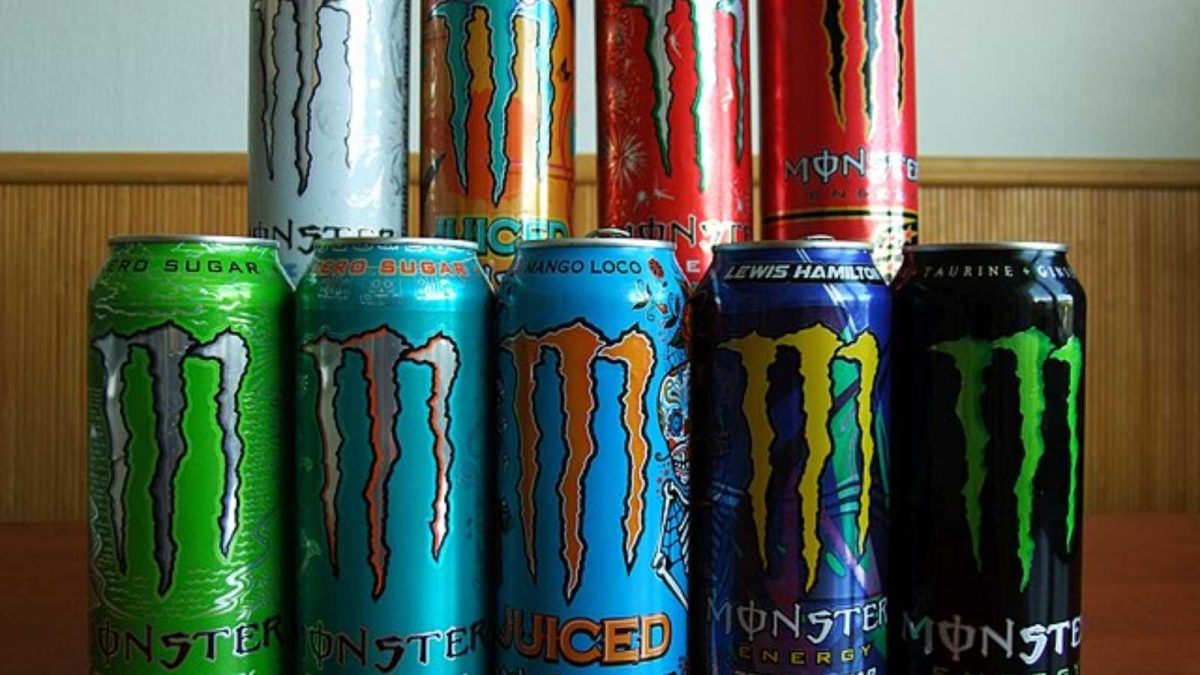
Once marketed as harmless performance boosters, energy drinks faced scrutiny over high caffeine, synthetic stimulants, and artificial sweeteners. Health risks like heart palpitations and anxiety drove many toward natural alternatives such as coffee or electrolyte drinks.
Transparency proved decisive, showing that even indulgent beverages can’t hide harmful ingredients from informed buyers. The trend underscores how knowledge directly influences purchasing decisions.
Conclusion
The products people stop buying often reveal something bigger than changing taste. They show that once shoppers understand what is hidden inside everyday items, convenience loses its charm, and trust becomes harder to win back. A plastic bottle, a sweet creamer, a tube of lipstick, or a bag of microwave popcorn may look harmless on the shelf, but the ingredient label can tell a different story.
Today’s buyers want more than attractive packaging and clever advertising. They want safer materials, cleaner formulas, honest sourcing, and products that do not make them feel tricked after purchase. The brands that survive this shift will be those that respect consumers’ intelligence, because once people learn what something is really made of, they rarely go back to buying it blindly.


