10 Foods You Should Avoid Adding Ketchup To At All Costs
Ketchup has earned its place on American tables. It’s sweet, tangy, and practically inseparable from French fries, burgers, and backyard cookouts. But just because ketchup tastes great on some foods doesn’t mean it belongs on everything.
Its combination of tomatoes, vinegar, and sugar can easily overpower delicate ingredients or throw off carefully balanced dishes. Sometimes, that familiar red squeeze is exactly what your meal doesn’t need.
While food preferences are personal, some dishes are better enjoyed without ketchup, especially when their original flavors are already doing the heavy lifting.
Here are 10 foods you might want to think twice about covering in ketchup.
Chicago-Style Hot Dogs

If there’s one place where ketchup can spark an argument, it’s Chicago.
A traditional Chicago-style hot dog comes loaded with yellow mustard, bright green relish, chopped onions, tomato wedges, a dill pickle spear, sport peppers, and celery salt.
Notice anything missing?
Ketchup!
According to the National Hot Dog and Sausage Council, traditional hot dog etiquette discourages adults from using ketchup. Chicago takes that preference particularly seriously.
The reasoning makes sense. Sweet relish and fresh tomatoes already bring sweetness and tanginess to the hot dog. Adding ketchup can make those flavors feel repetitive.
Interestingly, a 2014 council survey found that 79% of Americans considered ketchup acceptable on hot dogs.
Clearly, Chicago doesn’t speak for everyone.
A Perfectly Cooked Steak
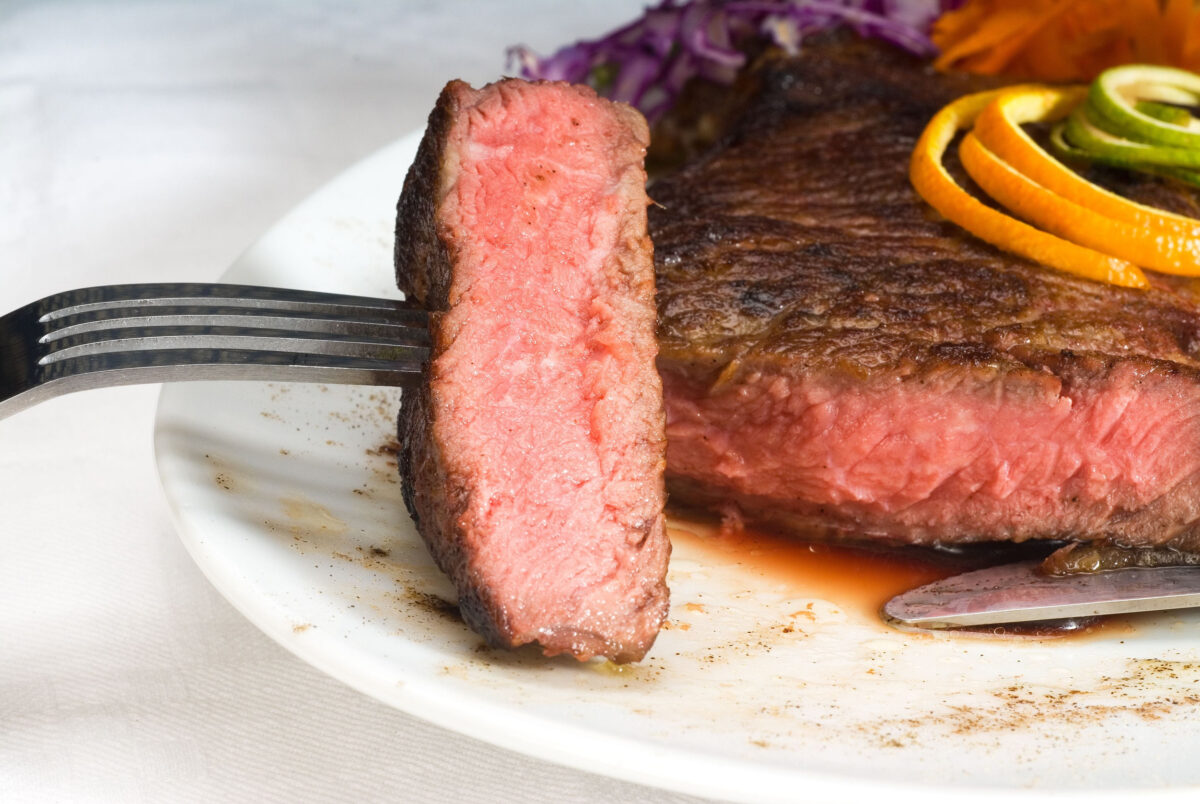
Imagine ordering a beautifully seared ribeye, only to cover it with a thick layer of ketchup.
You’re missing some of the flavors that make a good steak special.
A well-prepared steak develops its character through browning, seasoning, and cooking technique. Salt, pepper, butter, and pan juices can enhance those flavors without competing for attention.
Chef and food writer J. Kenji López-Alt’s butter-basted steak preparation demonstrates how butter and aromatics complement browned beef.
Ketchup, meanwhile, introduces a noticeable combination of sweetness, vinegar, and tomato.
That’s not necessarily wrong, but it can completely change the experience.
Try spooning warm butter and pan juices over your steak instead. You might discover you’ve been overlooking the best part.
Delicate Sushi Nigiri
Sushi is one of those foods where small details make a big difference.
A simple piece of nigiri combines seasoned rice with carefully prepared fish. The goal is to appreciate the balance between those ingredients.
Even soy sauce should be used sparingly.
In advice published by Good Food, Nobu Melbourne’s sushi team recommends dipping the fish rather than soaking the rice in soy sauce.
Now imagine adding ketchup.
Its sweet, tangy tomato flavor could easily become the most noticeable part of the bite, pushing the fish into the background.
A small touch of soy sauce or wasabi is usually a better companion.
And remember, pickled ginger is traditionally enjoyed between different pieces to refresh your palate.
Fresh Oysters on the Half Shell
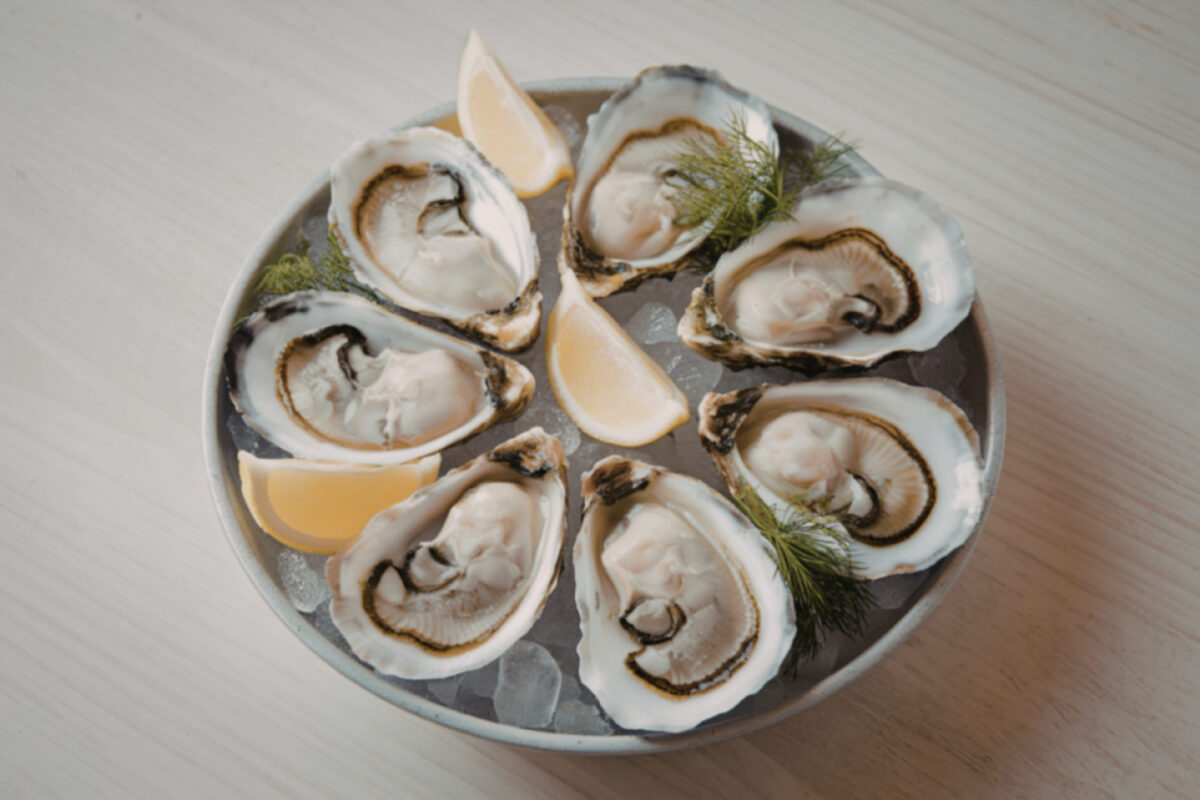
Fresh oysters have distinctive flavors that can vary depending on where they’re harvested.
Some taste noticeably briny, while others are more delicate.
Covering them with plain ketchup can make those differences harder to appreciate.
Instead, try a classic mignonette made with vinegar, finely chopped shallots, and cracked pepper.
According to Serious Eats, how you chop shallots matters because strong aromas can overwhelm the condiment.
A little lemon juice also works beautifully.
There’s one important exception: ketchup-based cocktail sauce is a popular oyster accompaniment. The difference is that cocktail sauce is deliberately balanced with other ingredients.
So this isn’t about banning tomatoes from the oyster bar. It’s about letting the oyster shine when that’s what you came to taste.
Grilled Lobster
Lobster already brings a naturally sweet flavor to the plate.
That’s why butter and lemon pair so well.
Butter adds richness, while lemon provides brightness without completely changing the lobster’s character.
A Serious Eats grilled lobster recipe uses lemon-shallot butter to complement the seafood.
Ketchup takes things in another direction.
Its concentrated tomato flavor, sweetness, and vinegar tang can compete with the lobster rather than supporting it.
For a simple upgrade, melt some butter with lemon and finely chopped shallots.
You’ll get a flavorful accompaniment without masking what makes lobster worth ordering.
Spaghetti Carbonara
Carbonara doesn’t need ketchup. It already has a sauce with plenty of personality.
Traditional versions center on eggs, hard cheese, cured pork, and black pepper.
The magic happens when those ingredients come together to coat the pasta smoothly.
Adding ketchup introduces a completely different sweet, acidic tomato flavor.
Instead of complementing the egg, cheese, and pork, it can pull the dish away from what defines carbonara.
Want more flavor? Reach for freshly ground black pepper or a little extra grated cheese.
Of course, ketchup isn’t automatically wrong on pasta. Japanese spaghetti Napolitan actually uses ketchup as a central sauce ingredient.
The difference is simple: Napolitan is designed around ketchup. Carbonara isn’t.
Margherita Pizza
Margherita pizza proves that a handful of ingredients can create something memorable.
Tomatoes, mozzarella, basil, and olive oil work together without requiring a complicated topping situation.
In chef Tony Gemignani’s Margherita pizza recipe, each ingredient has a clear role.
Adding ketchup isn’t simply adding more tomato.
You’re also adding vinegar, sweetness, and extra seasoning that can shift the pizza’s balance.
The fresh basil becomes less noticeable, and the mozzarella has to compete with another layer of sauce.
If your slice needs something extra, try a little olive oil or a few fresh basil leaves.
Sometimes, keeping things simple is the whole point.
Eggs Benedict
Eggs Benedict already comes dressed for the occasion.
You’ve got a toasted English muffin, Canadian bacon or ham, a poached egg, and buttery hollandaise sauce.
That’s quite a combination.
Hollandaise adds richness and lemony brightness, tying it all together.
Adding ketchup creates a second sauce with a completely different flavor profile.
Instead of improving the dish, it can compete with the hollandaise and overwhelm the presentation.
J. Kenji López-Alt’s Eggs Benedict recipe suggests simple finishing touches such as black pepper and fresh herbs.
Try chopped chives or parsley for an extra touch.
Save the ketchup for your breakfast potatoes.
Related: 10 Legendary Foods Named After Remarkable People
Caesar Salad
A good Caesar salad needs little help.
Crisp romaine, crunchy croutons, Parmesan, and a creamy, savory dressing already offer plenty of contrast.
Classic modern Caesar dressings often combine lemon, garlic, Parmesan, Worcestershire sauce, and anchovies.
That combination creates layers of flavor without relying on sweetness.
Ketchup introduces sweet tomato notes that can feel out of place against the dressing’s established character.
There’s also a practical issue: adding another thick condiment can make the salad feel unnecessarily heavily dressed.
To improve your Caesar salad, reach for freshly grated Parmesan or properly toasted garlic croutons.
Those additions work with the flavors already on the plate rather than fighting them.
Related: 9 Best Salad Ingredients You Need to Try for the Ultimate Salad Experience
Smoked Salmon on Toast
Smoked salmon and cream cheese hardly need an introduction.
Add capers, dill, lemon, and a little red onion, and you’ve got a breakfast or brunch worth savoring.
A Bon Appétit recipe pairs hot-smoked salmon with caper cream cheese and other bright accompaniments.
Ketchup, however, changes the dish’s direction.
Its pronounced sweetness and tomato tang can compete with the smoky salmon, briny capers, and fresh herbs.
Instead, squeeze a little lemon over the salmon or sprinkle on some fresh dill.
You’ll get extra flavor while preserving the combination that made the dish appealing in the first place.
The Bottom Line
Ketchup isn’t the enemy of good food. In fact, some dishes need it.
But when a meal already has a carefully balanced sauce or delicate flavor, adding ketchup can mean missing what makes it special.
Next time you reach for that red bottle, try tasting your food first. You might discover that the best condiment is the one you didn’t add.