8 Short Rib Mistakes That Can Turn Dinner Into a Tough, Greasy Letdown
Short ribs look like the kind of meal that practically cooks itself. They are rich, meaty, dramatic on the plate, and perfect for the kind of dinner that makes the kitchen smell like you know exactly what you are doing. But that is also where the trap begins.
Short ribs are forgiving, yes, but they are not magic. If you rush them, underseason them, drown them in weak liquid, or skip the small steps that build flavor, you can easily end up with meat that is tender but flat, greasy, or strangely disappointing. The original Chowhound piece highlights common short-rib mistakes such as leaving on too much fat, under-seasoning, skipping browning, rushing the cook, forgetting aromatics, and failing to reduce the sauce. Here are eight mistakes to avoid if you want short ribs that taste deep, glossy, and worth every minute.
Leaving Too Much Fat Behind
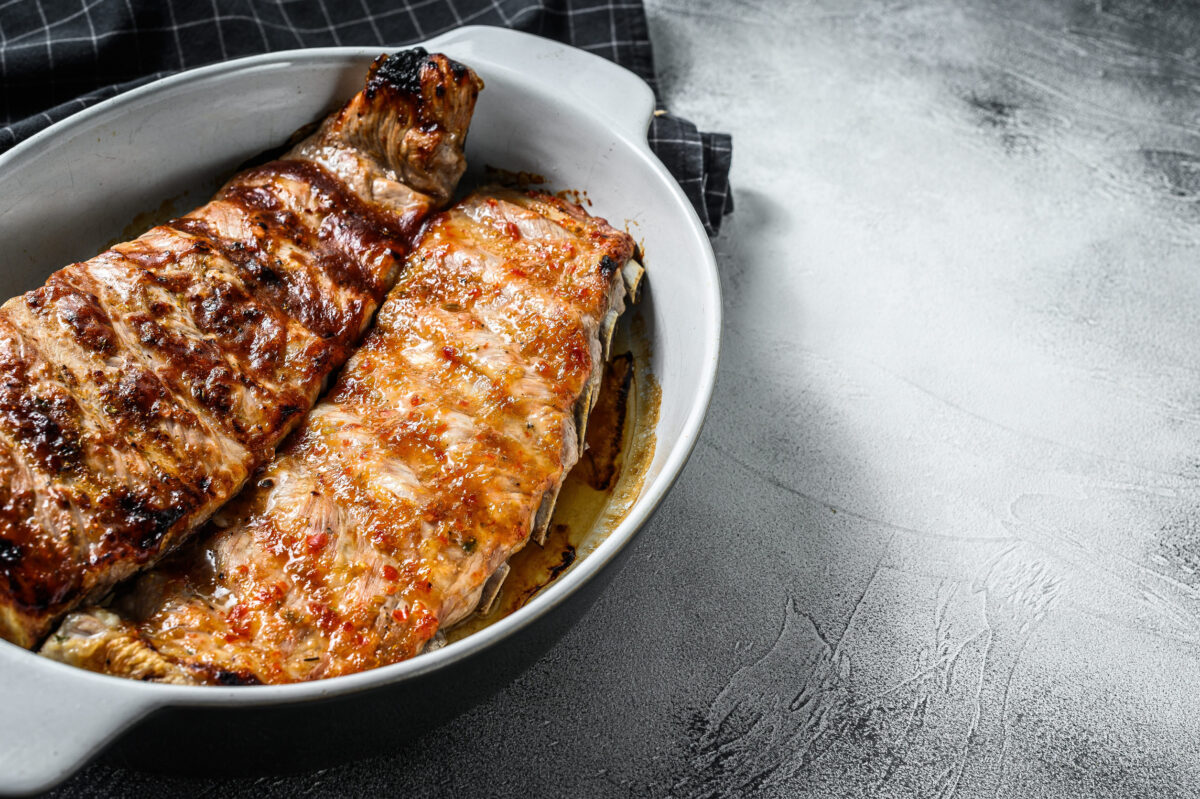
Short ribs need fat, but they do not need to swim in it. That beautiful marbling inside the meat helps create tenderness, but a thick fat cap on the outside can make the final dish feel heavy and oily. If you leave too much fat on the ribs, it can melt into the braising liquid, leaving your sauce with a slick layer that dulls the flavor.
The better move is to trim the obvious excess while keeping enough to protect the meat during cooking. A thin layer is useful. A thick, waxy slab is not. Think of trimming as editing. You are not removing the dish’s personality. You are removing what gets in the way.
Underseasoning the Meat
Short ribs are not delicate little cuts that need a polite sprinkle of salt. They are dense, thick, and packed with muscle fibers, which means seasoning has to work harder to reach the center. If you season lightly, the outside may taste fine, but the inside can feel bland once you take a bite. Salt the ribs generously on all sides, and do it early when possible.
Seasoning them several hours ahead, or even overnight, gives the salt time to penetrate the meat rather than sitting on the surface. Pepper, garlic powder, smoked paprika, or a touch of chili can help, too, but salt is the foundation. Without it, everything else tastes quieter.
Skipping the Sear
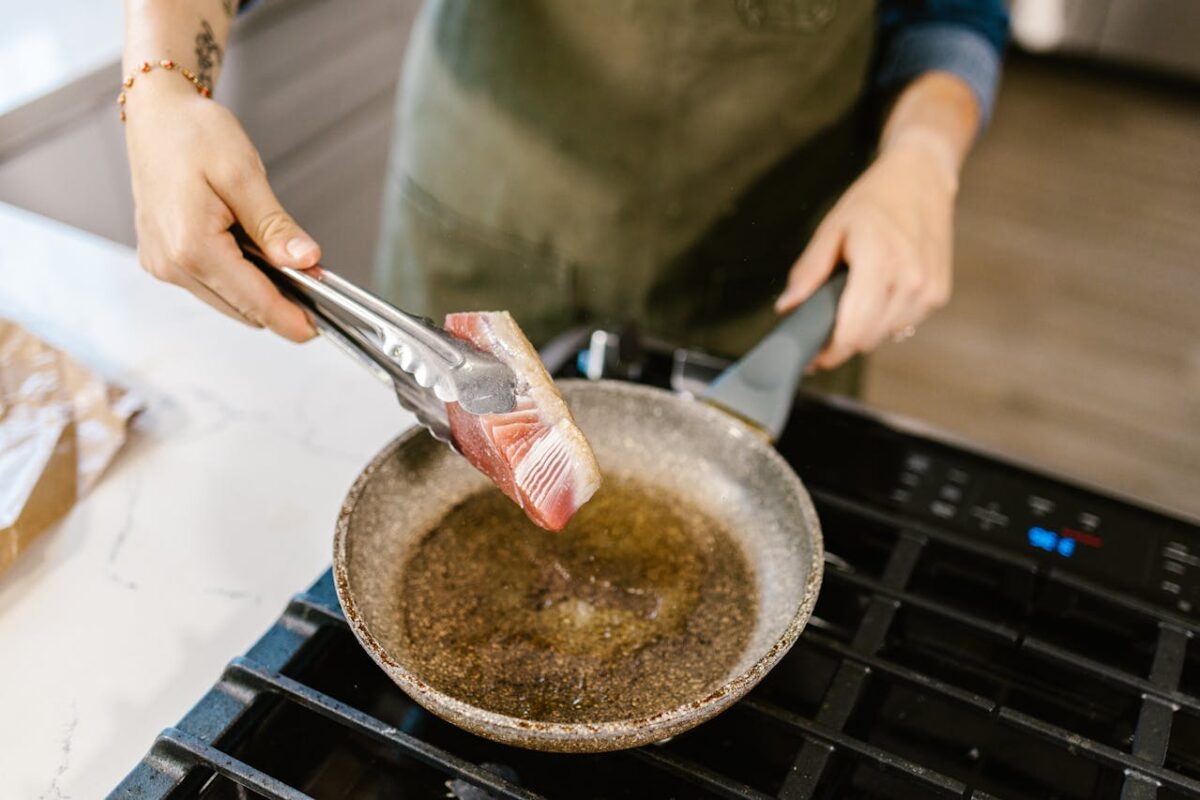
If short ribs go straight into liquid without browning first, you lose one of the biggest flavor-building moments in the entire recipe. Searing creates those dark, caramelized edges that make beef taste deeper, toastier, and more savory.
It also leaves browned bits at the bottom of the pot, which later dissolve into the braising liquid and become part of the sauce. That is the difference between a dish that tastes like boiled beef and one that tastes like a restaurant special. Pat the ribs dry, heat the pot thoroughly, and brown them in batches so they sear rather than steam. Crowding the pan is where good intentions go to die.
Cooking Them Too Fast
Short ribs do not reward impatience. They are full of connective tissue that needs low, steady heat to soften into that silky texture people love. If you blast them at high heat, the meat can tighten before it has time to relax, leaving you with ribs that are tough around the edges and dry in the middle. A gentle braise gives the collagen time to break down and turn into richness.
Chowhound notes that many chefs braise short ribs around 300 to 325 degrees Fahrenheit for about 2½ to 3 hours, depending on size and doneness. The pot should bubble softly, not rage like a storm. Short ribs are a slow conversation, not a sprint.
Using a Weak Braising Liquid
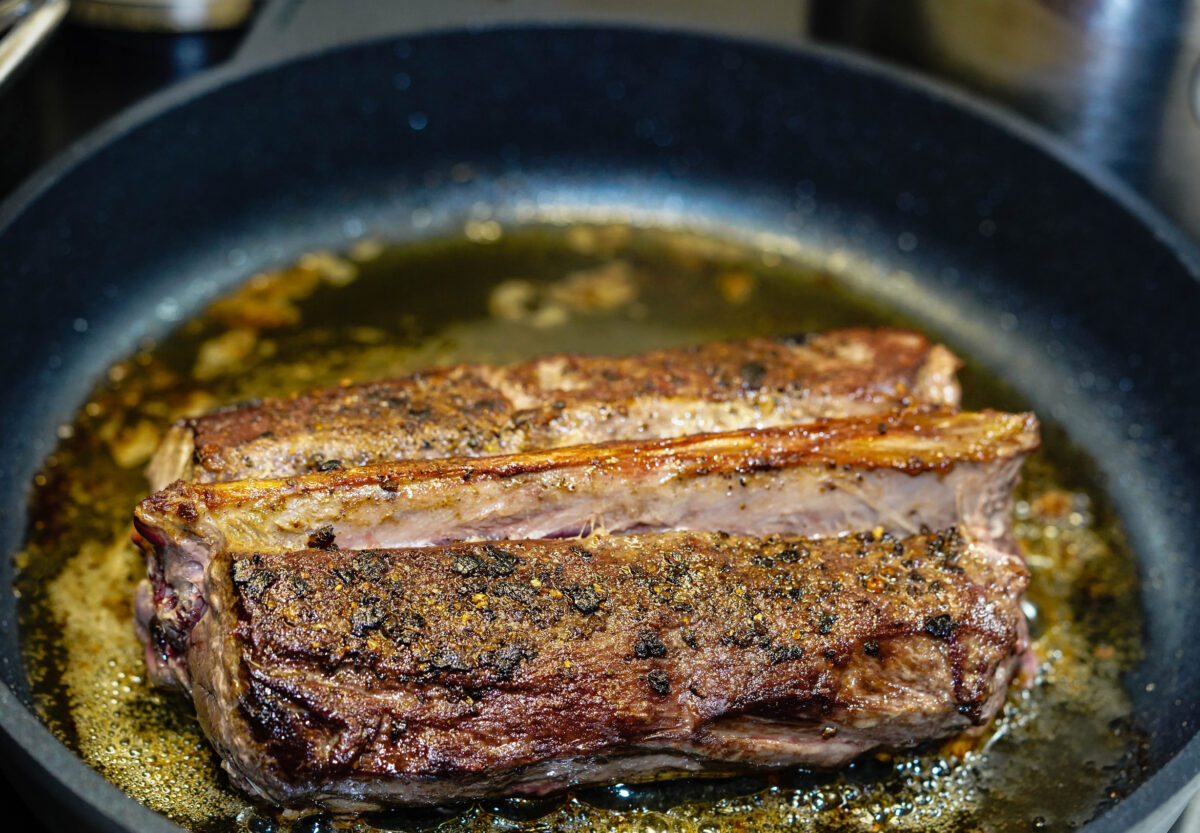
Water alone can cook short ribs, but it will not give them the depth they deserve. The braising liquid becomes the backbone of the dish, so it needs character. Stock, wine, tomato paste, soy sauce, Worcestershire sauce, beer, or a splash of vinegar can all bring richness, acidity, and balance. The goal is not to drown the meat in random flavors.
The goal is to build a liquid that tastes good before the ribs even go in. If your braising liquid tastes thin at the start, it will probably taste thin at the end. Taste as you go, adjust with salt, acid, and sweetness, and remember that the sauce is not an afterthought. It is the velvet coat the ribs wear to the table.
Forgetting the Aromatics
Short ribs need more than beef and liquid. They need a supporting cast. Onions, garlic, carrots, celery, bay leaves, thyme, rosemary, and shallots all work quietly in the pot, giving the sauce roundness and warmth. Without aromatics, the dish can taste flat even if the meat is tender. The best part is that aromatics do not need to be fancy.
A rough chop is enough because they are there to perfume the braise, not win a beauty contest. Let them brown lightly after searing the meat, then add tomato paste or spices before pouring in the liquid. That simple layering gives the final dish a slow-cooked depth that tastes intentional.
Disturbing the Ribs Too Much
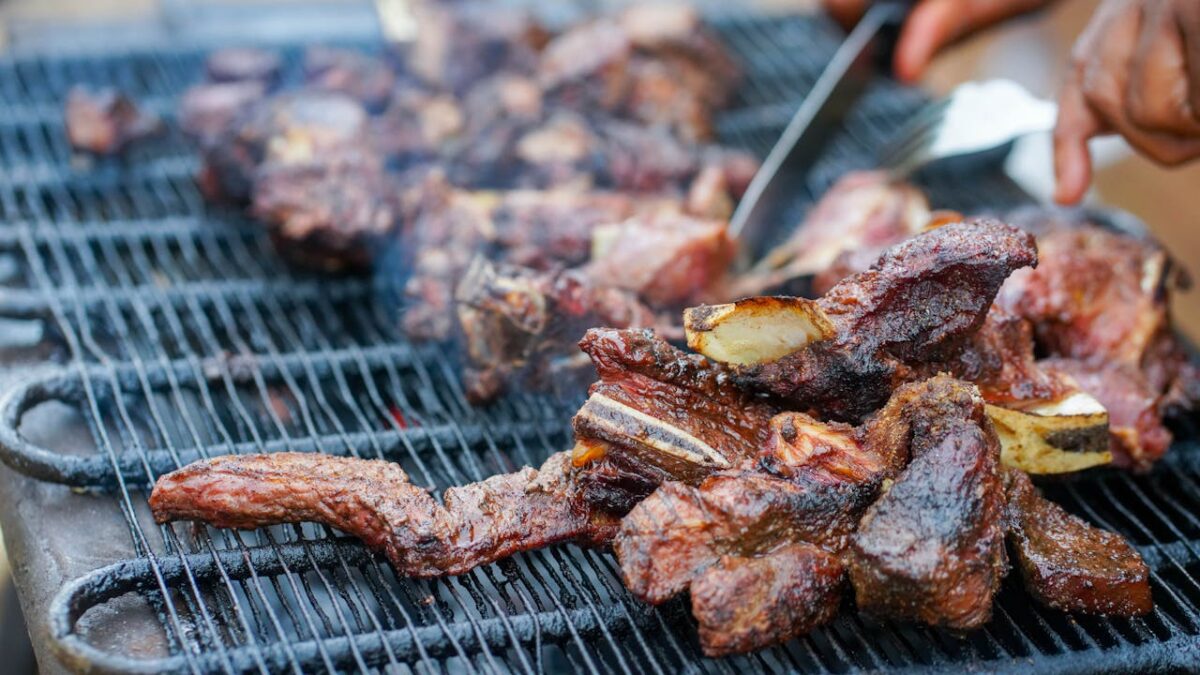
Once the ribs are braising, leave them alone. Constant poking, flipping, stirring, and checking can break the meat apart before it is ready. Short ribs become fragile as the connective tissue softens, especially when they are bone-in.
Moving them too much can make them shred into the sauce instead of staying in beautiful, plate-worthy pieces. Check occasionally to make sure the liquid level is right, and the simmer is gentle, but do not treat the pot like a stir-fry. Patience matters here. Let the heat, liquid, and time do their quiet work. You will know the ribs are ready when a fork slides in easily and the meat yields without falling into mush.
Not Reducing the Sauce
The braising liquid is liquid gold, but only if you finish it properly. If you pull the ribs out and serve the thin liquid straight from the pot, the dish can come across as unfinished.
Reducing the liquid concentrates everything: the beef juices, wine, herbs, aromatics, and gelatin released during cooking. First, remove the ribs carefully, then strain the liquid if you want a smoother sauce. Simmer it until it thickens enough to coat the back of a spoon. If there is too much fat on top, skim it off before reducing. This final step turns a good pot of short ribs into a glossy, spoon-worthy dish that feels complete.
Conclusion
Short ribs are not difficult because they do not require complicated technique. They are difficult because they demand respect for the basics.
Trim the excess fat, season boldly, sear properly, cook slowly, use a flavorful liquid, add aromatics, stop fussing with the pot, and finish the sauce as it matters. Each step may seem small on its own, but together they create the difference between forgettable beef and a rich, tender dish people remember. Short ribs are expensive enough and special enough to deserve that care. Treat them with patience, and they will reward you with a meal that feels comforting, impressive, and deeply satisfying.