7 Foods That Spoil Faster Than People Think
Some foods look innocent right up until the moment they turn on you. They sit in the fridge, pantry, lunch bag, or fruit bowl pretending everything is fine, then suddenly they smell sour, grow fuzzy, turn slimy, or become risky to eat. The tricky part is that spoilage does not always announce itself loudly, and some foods can become unsafe before they look completely ruined.
That is why a little food awareness can save money, protect your stomach, and keep your kitchen from becoming a quiet science experiment. Many people assume certain foods last longer because they are common, cheap, refrigerated, dried, or packaged. Yet some of the most everyday items spoil much faster than expected when cooked, cut, opened, or stored improperly.
Cooked Rice

Cooked rice may look harmless sitting in a container, but it is one of those foods that needs respect. Once rice is cooked and left at room temperature for too long, bacteria can grow quickly, especially because rice holds moisture and warmth beautifully. That same fluffy texture that makes it perfect for dinner also makes it a comfortable place for spoilage to begin.
The biggest mistake people make is leaving rice on the stove for hours after cooking, then casually putting it in the fridge later. By that point, the damage may already be done, even if the rice still smells normal. Cooked rice should be cooled quickly, refrigerated in a shallow container, and eaten within a few days to stay on the safer side.
Berries

Berries are gorgeous, sweet, and painfully dramatic. Strawberries, raspberries, blueberries, and blackberries can go from perfect to moldy in what feels like one afternoon. Their thin skins, high water content, and delicate structure make them especially vulnerable to moisture and bruising.
Many people rinse berries as soon as they bring them home, thinking they are being organized. That can actually speed spoilage, as extra moisture encourages mold growth. It is better to wash berries right before eating and store them in a breathable container lined with a paper towel to absorb excess dampness.
Bagged Salad Greens

Bagged salad greens are convenient, but they are also famous for betraying shoppers quickly. One day, the leaves look crisp and fresh; the next day, the bottom of the bag is wet, slimy, and sad. Lettuce, spinach, arugula, and mixed greens spoil quickly because they are tender and usually packed with trapped moisture.
The problem gets worse when greens are stored in a sealed bag with no airflow. Condensation builds up, leaves bruise against each other, and decay spreads fast from one damaged piece to the rest. If the greens smell sour, feel slimy, or show dark, wet patches, it is time to let them go.
Deli Meat
Delicatessen meat can feel like a long-lasting fridge staple, but once the package is opened, the clock starts ticking fast. Turkey, ham, roast beef, salami, and chicken slices are handled, sliced thin, and packed in a way that makes them convenient but also more exposed. Even refrigerated deli meat can spoil faster than people expect.
A common mistake is assuming that because deli meat is salty or processed, it can sit around for a long time. Once opened, it can develop a sour smell, a sticky texture, a dull color, or a strange film. If lunch meat has been hanging around for several days and seems even slightly off, it’s better to skip the sandwich.
Avocados
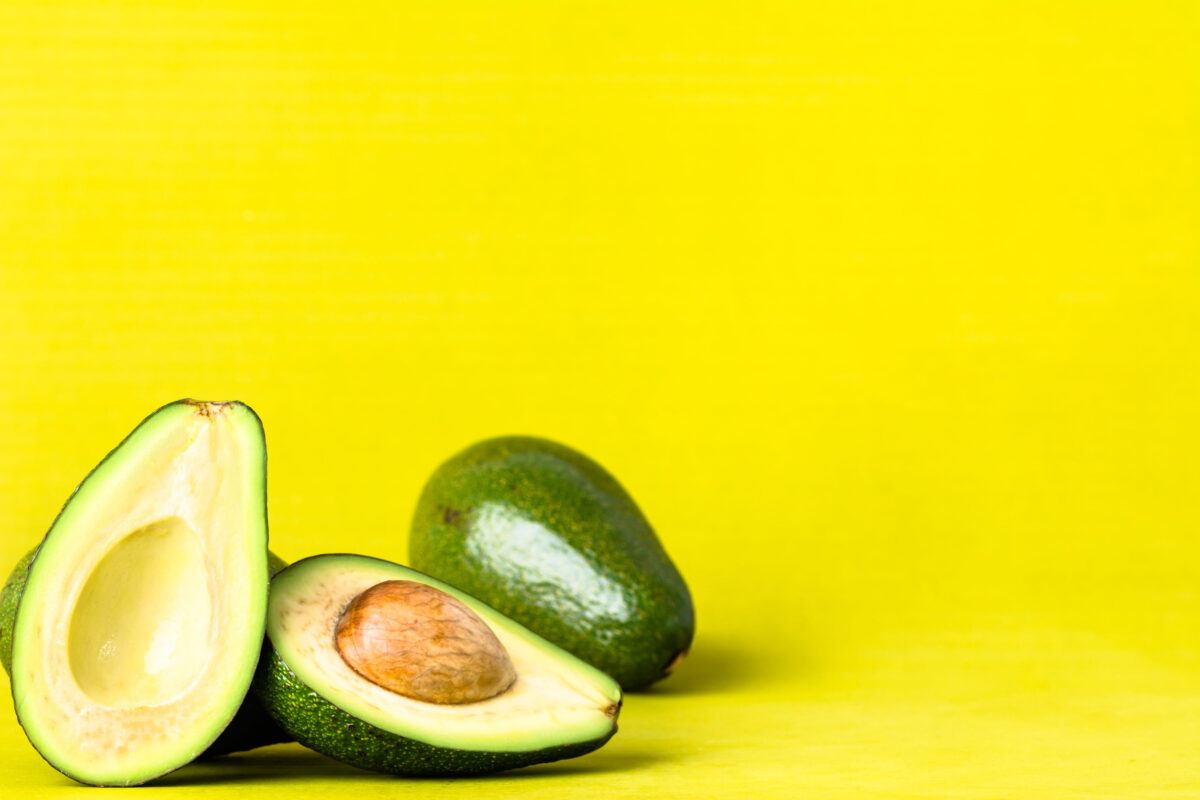
Avocados are masters of bad timing. They spend days feeling like hard green rocks, then become perfectly ripe for about eight minutes before turning brown and mushy. Their high fat content gives them that creamy texture people love, but once ripe, they spoil quickly if not eaten or refrigerated.
The problem becomes even more obvious after cutting. A sliced avocado oxidizes fast, turning brown when exposed to air. Brown color alone does not always mean it is unsafe, but sour smell, stringy flesh, mold, or a rancid taste mean it has crossed the line.
Fresh Bread
Fresh bread, especially bakery-style loaves without many preservatives, can spoil much faster than packaged bread. The soft interior holds moisture, creating a perfect environment for mold if the loaf is kept in a warm or humid kitchen. Bread may still smell good even as tiny mold spots form.
Some people try to save bread by cutting off the moldy part, but that is a risky habit. Mold can spread through bread beyond what the eye can see because the loaf is porous. If any part of the bread shows visible mold, the safest option is to throw away the whole loaf.
Cooked Pasta
Cooked pasta seems like one of the easiest leftovers to keep, but it can spoil faster than people think. Like cooked rice, pasta contains moisture and starch, which can encourage bacterial growth if left out too long or stored poorly. A big pot of spaghetti sitting on the counter after dinner is more fragile than it looks.
Plain pasta usually lasts better than pasta mixed with cream sauce, seafood, meat, or cheese, but it still needs proper storage. It should be cooled quickly, kept in a sealed container, and refrigerated soon after cooking. If it smells sour, feels unusually sticky, or has visible mold, it belongs in the trash, not in tomorrow’s lunch.
Conclusion
Food spoilage is not always dramatic. Sometimes it starts quietly with extra moisture, a few hours at room temperature, a loose container, or one forgotten package pushed to the back of the fridge. That is why foods like cooked rice, berries, salad greens, deli meat, avocados, bread, and cooked pasta deserve more attention than people usually give them.
The best defense is simple kitchen discipline. Store food quickly, keep moisture under control, check for smells and textures, and avoid gambling with questionable leftovers. Saving food is smart, but eating spoiled food to avoid waste can turn one small mistake into a very unpleasant day.