Scouting America’s Inclusion Battle: How Pete Hegseth’s Pentagon Pressure Reshaped the National Jamboree.
A historic youth organization built on leadership and service now sits at the center of America’s culture war, where debates over inclusion, tradition, and government influence collide. At the heart of the dispute is whether Scouting America should expand inclusion efforts or return to a narrower focus on traditional scouting values.
For more than a century, the National Jamboree represented the heart of American scouting. Thousands of young people gathered every few years to camp, compete, learn survival skills, and build friendships with scouts from across the country. It was designed as a celebration of leadership, teamwork, and community.
The latest gathering carried a different kind of significance. Beyond the outdoor activities and patriotic ceremonies, it became a test of Scouting America’s direction as the organization faced pressure over whether to expand inclusion efforts or return to a narrower focus centered on traditional scouting values.
The controversy intensified after Defense Secretary Pete Hegseth challenged the organization’s diversity initiatives and pushed for changes that affected how the Pentagon interacts with Scouting America. The dispute turned a youth event into a national conversation about identity, politics, and government influence over private organizations.
The issue has become a defining moment for an organization trying to balance historic traditions with changing expectations. The question now is how far Scouting America will go in its inclusion efforts.
A Century-Old Organization Faces a Defining Moment
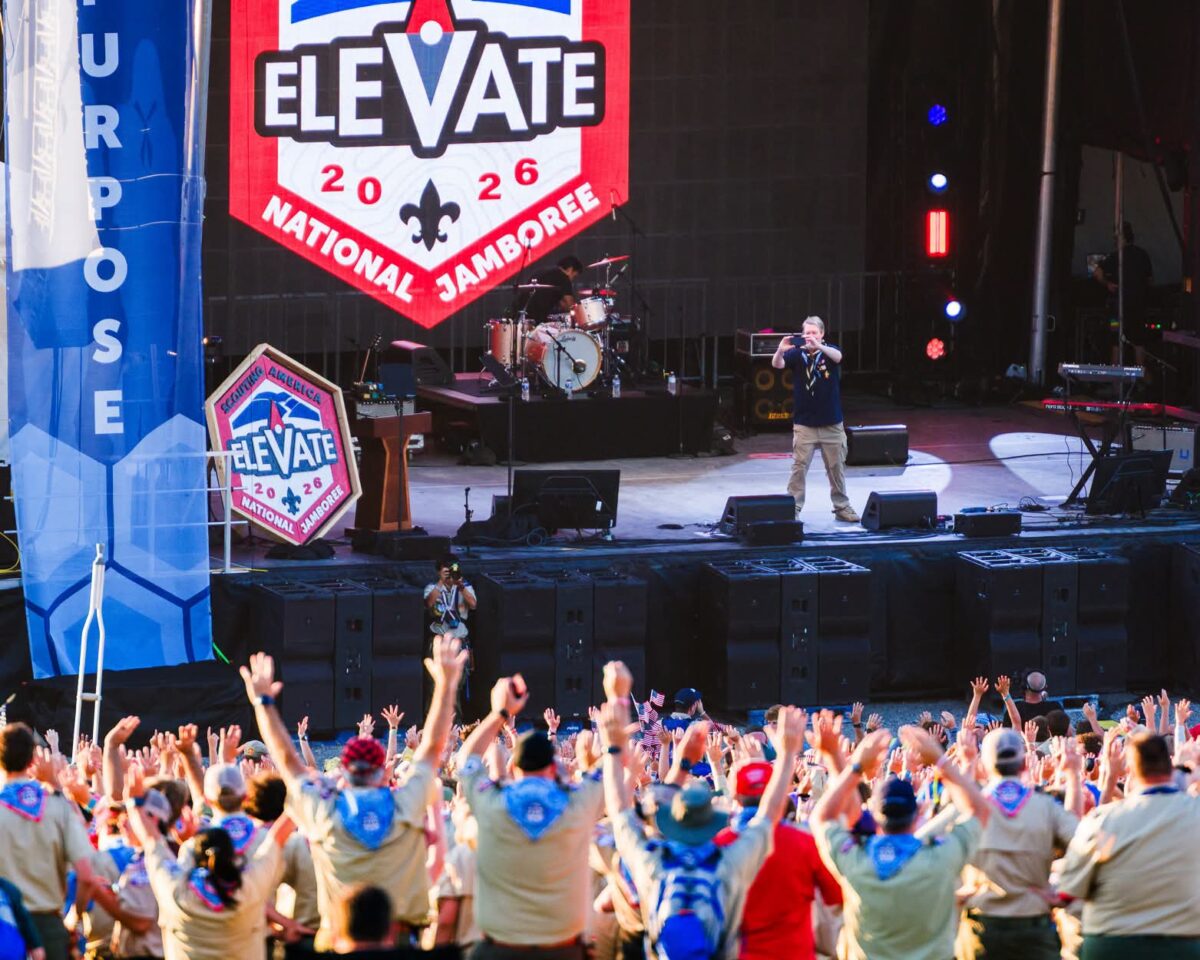
Scouting America, originally founded as the Boy Scouts of America in 1910, has long been one of the country’s most recognizable youth organizations. For generations, millions of young Americans participated in scouting programs designed to teach leadership, responsibility, citizenship, and outdoor skills.
The organization’s National Jamboree became one of its most visible traditions. Held every few years, the event brings together scouts, volunteers, and leaders for large-scale activities that showcase the movement’s size and reach.
The 2026 National Jamboree at the Summit Bechtel Reserve in West Virginia attracted thousands of participants from across the United States. The event included camping, adventure programs, leadership training, and community activities aimed at developing confidence and teamwork among young people.
The gathering arrived at a moment of major transition for the organization, however.
In recent years, Scouting America has undergone some of the most significant changes in its history. The organization opened its Scouts BSA program to girls in 2017, allowing young women to pursue the same leadership opportunities traditionally offered to boys. It later changed its name from Boy Scouts of America to Scouting America in 2025, a move officials said reflected a commitment to welcoming all young people.
These changes helped expand membership opportunities, but they also created debate among supporters and critics who disagreed about the organization’s direction.
The Pentagon Dispute That Changed the Conversation
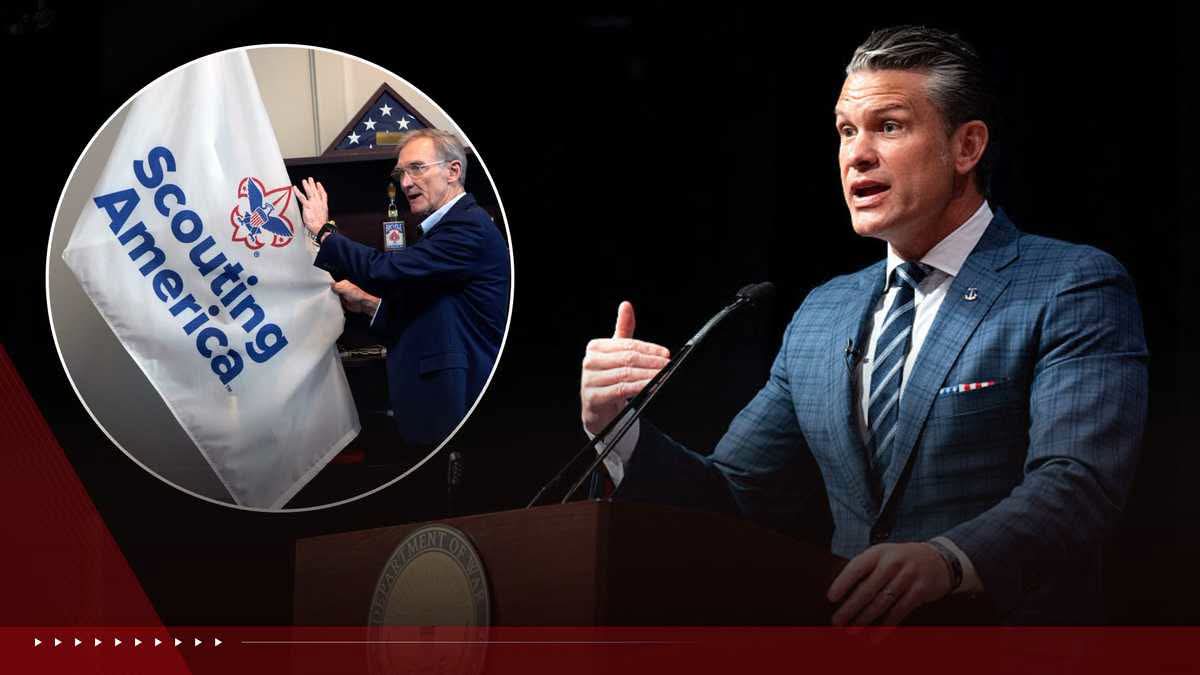
The latest controversy began after Defense Secretary Pete Hegseth criticized diversity, equity, and inclusion programs across institutions connected to the federal government.
The Pentagon has maintained a long relationship with scouting, supporting the organization through partnerships, facilities, and other forms of cooperation. Military leaders have historically viewed scouting as a valuable program for developing leadership skills and encouraging public service.
Hegseth argued that organizations connected with the military should focus on shared values rather than identity-based programs. His criticism placed new pressure on Scouting America to reconsider some of its inclusion efforts.
The disagreement eventually resulted in changes affecting the National Jamboree, including the removal of dedicated spaces focused on groups such as LGBTQ+ scouts, female participants, and scouts from minority backgrounds.
Supporters of the changes argued that scouting should bring young people together under common principles instead of creating separate spaces based on identity.
Critics responded that those spaces served an important purpose by helping young people who historically felt excluded find support and representation within the organization.
As a result, the disagreement quickly became part of a much larger national debate over diversity programs in American institutions.
Inclusion Has Always Been a Complicated Chapter in Scouting’s History
The current fight did not appear overnight. Instead, Scouting America has spent decades navigating difficult questions about membership and belonging.
For much of its history, the organization reflected the social norms of the United States at the time, including restrictions that later faced criticism. Over the years, scouting changed its policies as public attitudes shifted and legal challenges increased.
One of the biggest turning points came in 2013 when the organization voted to allow openly gay youth members. Two years later, it ended restrictions preventing openly gay adults from serving as leaders.
The organization also made another historic decision in 2017 by allowing girls to join Scouts BSA. Supporters said the change recognized the reality of modern families and expanded opportunities for young people. They pointed out that many girls wanted access to the same leadership training, outdoor experiences, and achievements available through scouting.
Critics argued that these changes altered the identity of an organization that had existed for more than 100 years.
The debate surrounding inclusion has followed Scouting through every major transformation, making the current controversy part of a much longer story about how traditional institutions adapt to a changing society.
Why the Debate Matters to Families and Communities
The argument over Scouting America is not only about policies or programs. For many families, it is also about what they believe youth organizations should represent.
Supporters of expanded inclusion say young people benefit when they see different backgrounds and experiences represented. They argue that scouting should prepare children for the world they live in, and modern America is increasingly diverse.
They believe programs designed for specific groups can provide confidence and support, especially for young people who may feel isolated.
Opponents argue that youth organizations should avoid political debates and focus on universal principles such as honesty, responsibility, and service.
They worry that identity-focused programs can divide young people rather than unite them.
Together, these views reflect a broader disagreement across American society about whether institutions should actively address differences among people or focus primarily on shared experiences.
Scouting America now finds itself navigating this difficult balance.
The Military Connection Adds Another Layer
The Pentagon’s involvement has made the controversy even more significant.
The military has historically had a close relationship with scouting because both organizations emphasize leadership, discipline, teamwork, and service. Many military leaders have credited scouting experiences with helping young people develop skills that later benefit them in careers and public service.
Because of that relationship, changes involving Pentagon support carry symbolic weight.
Supporters of Hegseth’s position argue that military partnerships should remain focused on common goals and avoid political disagreements.
Critics argue that government pressure on private organizations raises questions about independence and whether public institutions should influence social policies outside their direct responsibilities.
The disagreement highlights the complicated relationship between government agencies and organizations that rely on partnerships for support.
A National Debate That Goes Beyond Scouting

The battle over Scouting America reflects a larger struggle taking place throughout the United States.
Across schools, universities, companies, and nonprofit organizations, debates over diversity programs have become increasingly intense. Supporters say these initiatives help create equal opportunities and ensure more people feel included. Critics argue they can create division and distract from an organization’s main mission.
Scouting America has become one of the latest examples of this national divide.
The organization’s challenge is finding a way to maintain its historic identity while responding to a generation of families with different expectations.
Young people today are growing up in a more diverse America than previous generations. At the same time, many longtime supporters want Scouting to remain centered on timeless values rather than cultural debates.
Those decisions made now could influence how future generations view the organization.
The Future of Scouting America Hangs in the Balance
The National Jamboree may have ended, but the debate surrounding Scouting America is far from over.
The organization now faces a difficult question: How can it preserve a century of tradition while remaining relevant to the families and communities it hopes to serve?
For supporters of the recent changes, the answer is a renewed focus on unity, shared values, and a return to Scouting’s original mission.
For critics, the concern is that removing inclusion-focused programs could make some young people feel less welcome in an organization that spent years expanding access.
The controversy surrounding Pete Hegseth, the Pentagon, and the National Jamboree represents something much larger than a disagreement over one event. It reflects a national conversation about belonging, identity, and the future of American institutions. As Scouting America moves forward, its choices will help shape how the organization is seen for years to come.
Scouting America has always been shaped by the country around it. The challenge now is deciding how much of America’s changing culture should shape the organization’s next century.