8 Kitchen Trends Bringing Warm Wood Back Into American Homes
I spent three straight years designing kitchens where the answer to every question was “make it white.” Then last week, a client walked in, pushed away my crisp marble sample, and asked for something that actually felt like home: raw, warm, unrefined walnut.
A warmer kitchen is officially making a comeback, and natural wood is leading the charge. Wood-toned kitchen cabinets officially surpassed white cabinets for the top spot for the first time, chosen by 29% of renovating homeowners compared to 28% for white, according to the 2026 Houzz Kitchen Trends Study.
While white kitchens aren’t vanishing, the shift is undeniable: we are trading clinical perfection for natural texture, rich visible grain, and spaces that feel truly alive.
Wood cabinets move ahead
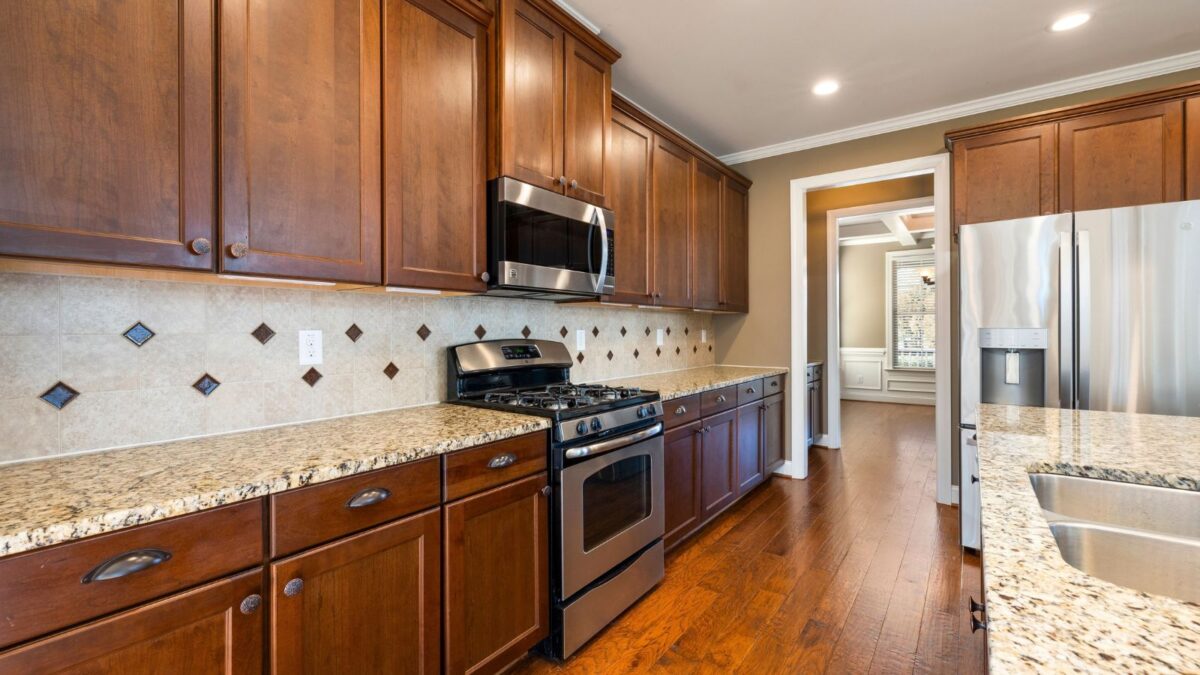
White kitchens had a good run, but warm-grained wood just stole the crown after ten years of bright, sterile domination. It turns out people finally missed personality in their cooking zones. Sleek timber tones soften blinding quartz counters and save beige walls from total boredom, serving instant depth without losing those slick, modern lines.
That tiny one-percent lead might not mean white cabinets are completely dead and buried, but it signals a massive vibe shift in home design. Homeowners are officially ditching the stark, clinical operating-room look for honeyed oak, rich walnut, and organic, cozy textures that make you want to hang out in the heart of the home.
Natural grain gets a boost
Smooth painted cabinets are sharing the spotlight with finishes that let the character of wood show through. Grain can give flat cabinet doors more visual interest without adding busy patterns or bold colors. That quality fits neatly with the broader interest in organic materials and calmer kitchen palettes.
Designers can also use grain direction to create subtle movement across cabinet runs and islands. NKBA 2026 Kitchen Trends Report 59% of surveyed industry professionals identified wood grain cabinetry as growing in popularity, surpassing traditional painted cabinets. Making the trend more than a homeowner preference alone.
Midtone wood sets the mood
Midtone wood hits that glorious sweet spot where cozy charm shakes hands with effortless cool. Forget the polar extremes of clinical, whitewashed pine or heavy, dark cabinets that make your kitchen feel like an underground medieval dungeon.
Medium wood tones bring grounding warmth without devouring your precious daylight. They play ridiculously well with almost any countertop, effortless with sleek quartz and gorgeous against heavily veined natural stone. It is smooth, versatile, and instantly elevates your space without trying too hard. If your home needs a subtle personality boost, midtone wood is your absolute ticket.
Maple and oak split the spotlight
Maple and oak split the spotlight, but choosing between them isn’t just a simple design pick; it’s a full personality reveal. Maple steps in cool, sleek, and smooth, perfect for minimalists who crave subtle elegance without making a loud scene. Oak, on the other hand, brings bold, unapologetic grain patterns that practically demand attention.
In fact, the National Kitchen and Bath Association annual Kitchen Trends Report found that white oak emerged as the absolute leading wood type preferred by design professionals. Still, homeowners and designers rarely see eye-to-eye on the single best wood, making this timeless rivalry surprisingly spicy.
Natural finishes gain ground
Paint hasn’t packed its bags and fled the kitchen just yet, but raw organic textures are officially stealing the spotlight. Fresh industry metrics reveal homeowners are craving spaces that breathe, happily benching sterile monochrome trends to embrace authentic timber details. Think sun-drenched oak islands, rich walnut floating shelves, and lightly glazed cabinet fronts that instantly pour instant soul into your cooking zone.
Rather than battling your favorite painted hues, these glowing wooden elements play nice, creating a sophisticated two-tone harmony that turns ordinary heart-of-the-home layouts into head-turning retreats.
Two-tone cabinets warm things up
Two-tone kitchens are having a major moment, and honestly, we are here for it. Why settle for all-white when you can play with balance? Keep upper cabinets crisp, bright, and light as air, then drop grounding, gorgeous wood tones on the lower section to lock down the drama. It brings instant character, cozy vibes, and rich contrast straight into your daily cooking zone without smothering the space in full timber.
It is fresh, smart, and ridiculously stylish. The 2026 U.S. Houzz Kitchen Trends Study, 24% of renovating homeowners choose contrasting colors for their upper and lower cabinets. Go ahead, give your walls the glow-up they deserve.
Relatable: 10 Things You Should Stop Storing in Your Kitchen Cabinets
Wood tones continue underfoot
The warm-wood story reaches far beyond cabinetry and islands. Choosing the right flooring seamlessly ties a kitchen’s distinct materials together, crafting a smooth transition into adjacent living spaces. A wood-toned floor pairs naturally with painted cabinets without forcing an entirely raw-material palette; think fresh greens, crisp whites, or moody blues.
Best of all, achieving this look doesn’t require genuine hardwood; smart alternatives deliver the exact same warmth, durability, and charm. Your kitchen foundation just got a major upgrade and is setting the base for a home that feels curated.
Islands get a wood moment
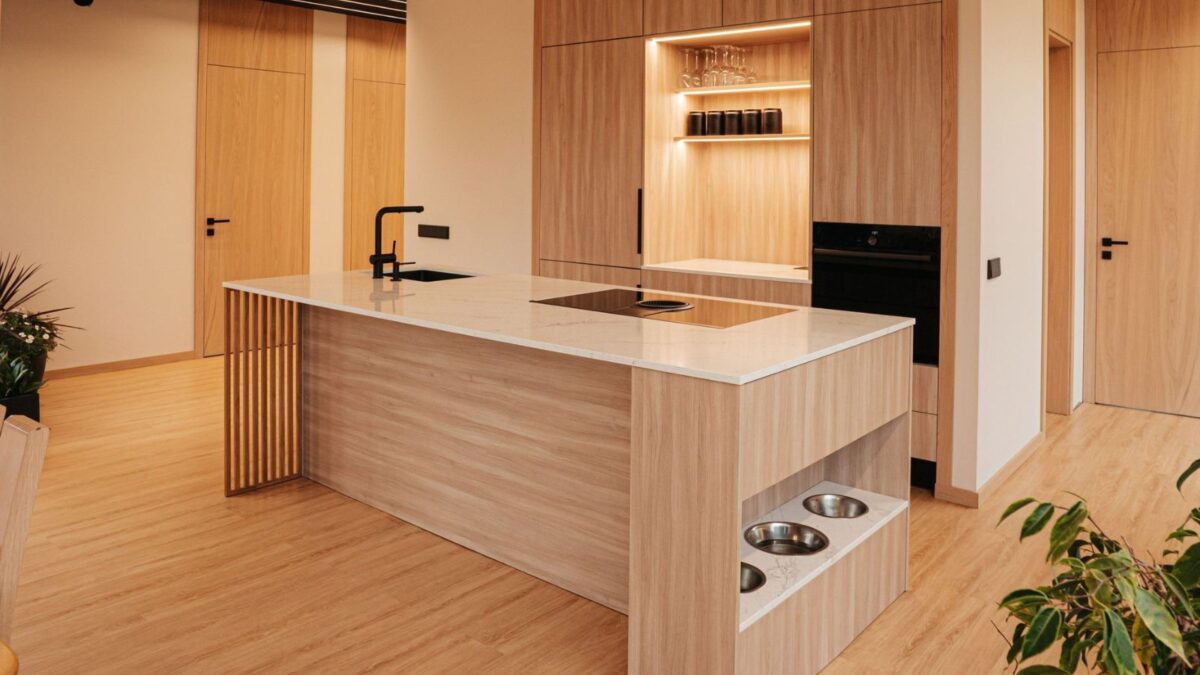
The island offers another easy place to introduce warmth. A homeowner can keep the main counters restrained and give the island a contrasting finish for extra personality. Wood tones can also connect the island with nearby flooring, furniture, or open shelving. That creates a cohesive look without requiring a complete wood-heavy renovation.
Wood is the leading choice for contrasting kitchen island countertops, accounting for 39% of these choices according to the 2026 U.S. Houzz Kitchen Trends Study. However, that figure applies only to this specific subset of island projects. A wood-toned surface also does not automatically mean the countertop uses butcher block.