How Do You Like Your Pasta: Fully Cooked or Al Dente?
Pasta seems simple until someone puts two plates in front of you and asks which one you would actually choose. One is soft, tender, and easy to bite through; the other has that unmistakable little resistance in the middle. Neither is necessarily wrong, but the difference can completely change how your dinner tastes, feels, and even how the sauce behaves on the plate.
The Great Pasta Debate
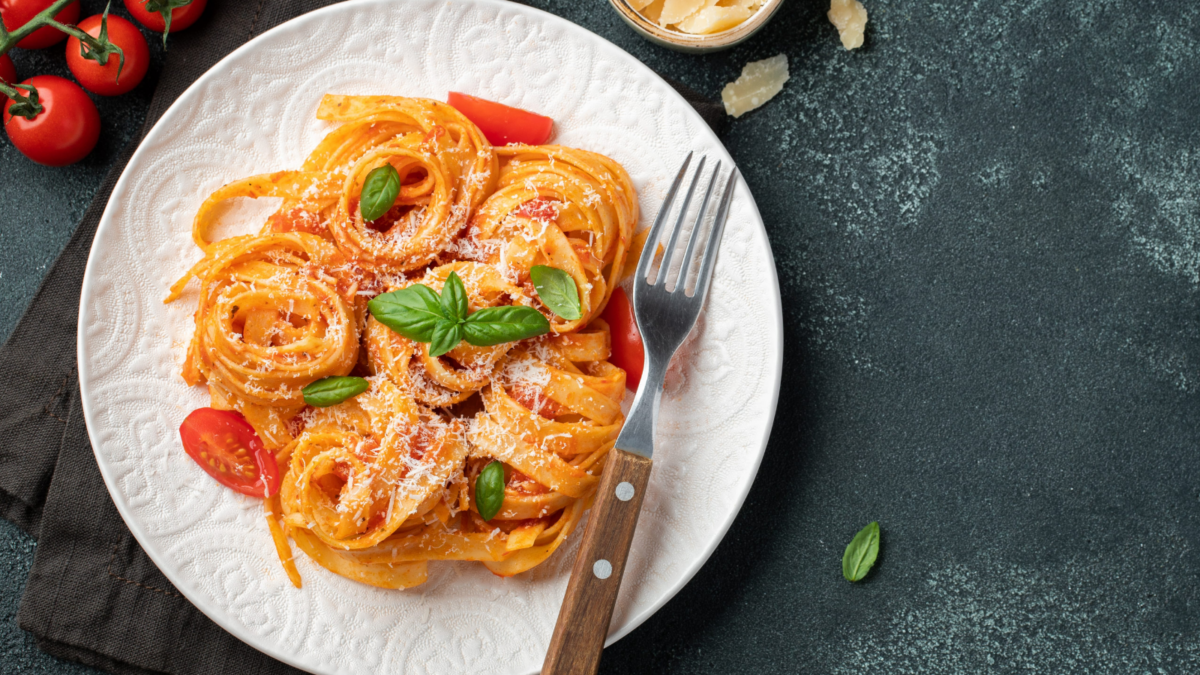
For some people, perfectly soft pasta feels comforting; for others, anything without a little bite feels overcooked.
The firmer style is usually called al dente, an Italian expression meaning “to the tooth,” describing pasta cooked through but still offering some resistance when you chew it. It is a familiar standard in Italian cooking, where pasta is often taken from the water while it still has structure rather than being cooked until completely soft. Italian cooking guidance describes al dente as pasta with a bit of bite, although personal preference and the dish itself still matter.
Soft pasta, meanwhile, has its own loyal following. Some people grew up eating noodles cooked longer, and that texture can feel more familiar and satisfying. For someone who loves very tender pasta, a firm strand may seem unfinished rather than sophisticated.
Why Does Al Dente Taste Different?
It is not just about the number of minutes in the pot—the structure of the pasta changes what you experience when you chew it.
As pasta cooks, water moves into the starch and changes its structure. The outside becomes tender first,, while the center can retain more firmness, especially when cooking stops early. Research on pasta structure has found that cooking time and the resulting structure can affect starch digestion. At the same time, the gluten network inside pasta also helps slow the movement of digestive enzymes through the food.
That firmness also changes how you perceive flavor. Al dente pasta requires more chewing, so you spend longer with the sauce, herbs, cheese, garlic or tomatoes in your mouth. Soft pasta, by comparison, gives you a smoother, less resistant bite, which some people find more comforting and easier to eat.
It Can Change the Whole Dinner
The pasta isn’t just sitting under the sauce, it can shape how that sauce feels with every bite.
A firm noodle can hold its shape when tossed with a thick tomato sauce, creamy sauce or pesto, giving the meal more contrast. Good-quality durum-wheat pasta is valued for maintaining its texture during cooking, and Barilla notes that its compact semolina structure helps it stay al dente.
There is another reason restaurant pasta can taste different from the version you make at home. Pasta is often removed from the boiling water before itis fully cooked and allowed to finish cooking with the sauce. That last stage gives the noodles time to absorb some of the surrounding flavors rather than simply arriving on the plate already fully cooked.
Why Some People Want It Completely Soft
Calling soft pasta “wrong” misses the most interesting part of the argument: people eat for comfort as much as they eat for tradition.
If you grew up with pasta that was cooked until very tender, a firm center can feel strangely underdone. Texture is deeply personal, and even scientific research on pasta digestion shows that how pasta is cooked, chewed, and broken down can influence its behavior in the digestive process.
The type of dish also matters. Pasta destined for a cold salad may need a different texture from spaghetti going directly into a sauce, while baked pasta continues cooking in the oven. So the “perfect” texture is not always one fixed point on the clock.
Related: Udon Carbonara Is the Creamy Noodle Mash-Up Everyone Wants to Try
Your Perfect Pasta May Be About Memory
The pasta you love most may have less to do with Italy and more to do with the dinner table you grew up around.
Food preferences often develop through repetition: the meals your parents made, the pasta served at family gatherings, the texture you associated with a favorite sauce, or the way someone in your home always cooked dinner. That is why one person can take a bite of chewy spaghetti and immediately think, “Perfect,” while someone else wonders why their noodles are still hard.
Your preference doesn’t have to stay fixed. You might prefer softer pasta with one sauce and firmer pasta with another, or discover that small daily habits can make even an ordinary weeknight dinner feel a little more intentional.
Ultimately, pasta texture is one of those small choices that can completely change a familiar meal. The difference between soft and al dente is only a matter of cooking, but the experience can feel like two entirely different dinners.
When your favorite pasta lands on the table, do you want it soft and fully cooked, or do you want that firm al dente bite in the middle?