Pete Hegseth’s Hormuz Claim Sparks New Questions as President Trump’s Iran Deal Faces Its First Test
Defense Secretary Pete Hegseth stepped into the national spotlight Sunday with a forceful claim that immediately raised eyebrows: the United States, he said, had controlled the Strait of Hormuz “the entire time.” But the remark landed at a delicate moment, just as President Donald Trump was promoting a new U.S.-Iran framework deal that is supposed to reopen one of the world’s most important oil routes.
That tension is what turned a television interview into a political flashpoint. If Washington already controlled the strait, critics asked, why was reopening it still part of a deal with Tehran? If Iran could not stop shipping, why had global energy markets spent months reacting to fears over the waterway? And if the administration’s strategy worked exactly as advertised, why were officials still leaving major details unanswered?
A Bold Claim in a High-Stakes Interview
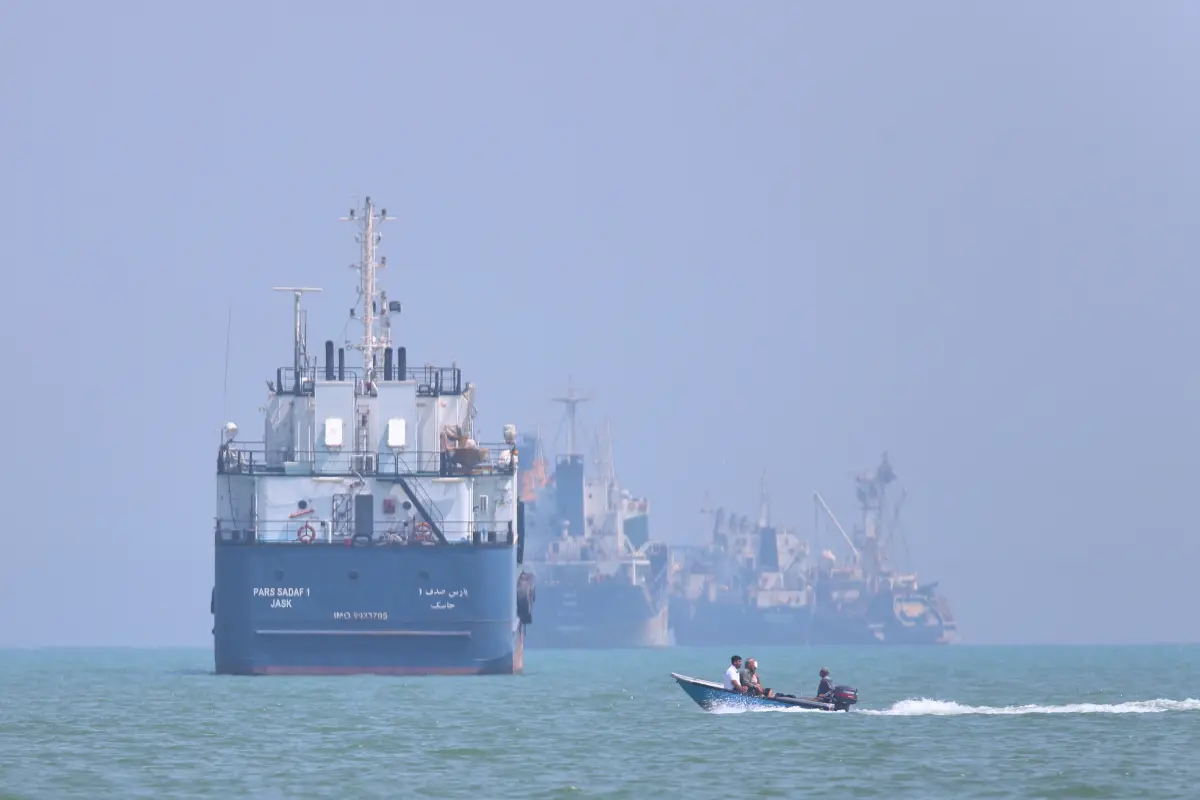
Hegseth made the comments during an appearance on CBS News, where he defended the administration’s military pressure campaign against Iran. He argued that U.S. power had forced Tehran toward the negotiating table and said American operations had allowed oil to keep moving through the Strait of Hormuz despite the conflict.
The message was clear: strength worked, Iran blinked, and President Trump’s pressure strategy delivered results.
But the problem was timing. The administration was still describing the arrangement with Iran as a framework, not a fully completed final settlement. A memorandum of understanding was still expected to be signed, and several major issues remained unresolved, including Iran’s nuclear program, sanctions relief, and the practical timeline for restoring normal shipping.
That made Hegseth’s certainty sound less like a cautious briefing and more like a victory lap before the paperwork was done.
Why the Strait of Hormuz Matters to Ordinary Americans
The Strait of Hormuz is not just another faraway shipping lane. It is a narrow passage between Iran and Oman that carries a massive share of the world’s oil and gas traffic. When the Strait is threatened, energy traders react. When traders react, gasoline prices can move. And when gas prices move, American families feel it fast.
That is why the administration’s language matters. Saying the U.S. “controlled” the strait suggests stability. Saying Iran must reopen it suggests danger. Those two messages do not sit comfortably together.
For drivers already tired of high prices, the distinction is not academic. It can show up at the pump, in grocery deliveries, in airline fuel costs, and in the price of everyday goods. Global oil markets do not wait for perfect explanations. They respond to risk, confusion, and confidence.
President Trump’s Deal Brings Relief, But Not Certainty
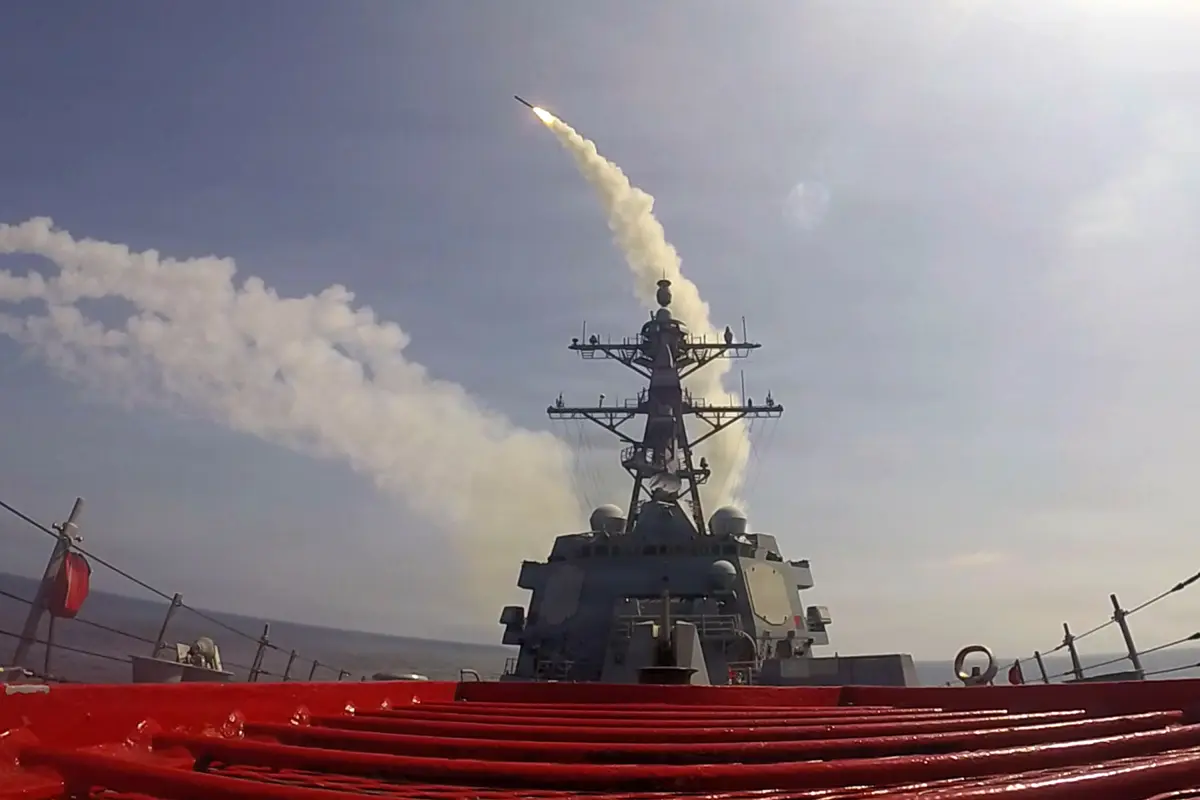
President Trump has presented the Iran framework as a major diplomatic breakthrough. Under the reported arrangement, the war would halt, the Strait of Hormuz would reopen, and further talks would determine the fate of Iran’s nuclear program and sanctions relief.
Markets responded quickly. Oil prices fell after news of the deal, and investors welcomed the possibility that one of the year’s biggest energy threats could be easing.
Still, the celebration has limits. The deal is preliminary. The full terms are not yet public. Iran’s nuclear program remains a major unresolved issue. Israel’s position, especially involving Lebanon, remains another potential obstacle. And a 60-day negotiating window means the most difficult questions may simply have been pushed forward rather than solved.
In that setting, Hegseth’s comments gave both supporters and critics something to seize.
Supporters See Strength, Critics See Contradiction
To supporters of President Trump, Hegseth’s message fits a familiar argument: pressure first, diplomacy second. In that view, the administration did not beg Iran to reopen the strait. It used military force, economic pressure, and naval power to leave Tehran with fewer options.
That is the version Hegseth appeared eager to sell. He portrayed American military operations as decisive and suggested Iran had failed to stop U.S.-backed oil movements through the region.
Critics heard something very different. They saw a contradiction between claiming control and negotiating access. They also questioned whether the administration was overstating military success to make the deal look stronger than it is.
The sharpest question is simple: if the Strait was already under U.S. control, what exactly did Iran agree to give up?
The Oil Claim Adds Another Layer of Confusion

Hegseth’s remarks also connect to earlier claims about oil moving through or out of the Strait of Hormuz under U.S. protection. Those claims have become politically sensitive because they involve military operations, global supply, and the administration’s credibility.
Energy Secretary Chris Wright previously told lawmakers he was not aware of the U.S. taking millions of barrels of oil out of Iran, though he said the U.S. military had helped move some oil through the strait. That distinction matters.
Helping commercial traffic move through a dangerous chokepoint is one thing. Claiming broad control over the strait is another. Claiming huge oil movements under hostile conditions raises even more questions.
The public may not need every classified detail, but it does need a clear explanation of what is being claimed, what is confirmed, and what remains hidden behind national security language.
The Political Risk Is Now at Home
For President Trump, the foreign-policy win could become a domestic problem if the story starts to look messy. Americans may welcome lower oil prices, but they are also sensitive to mixed messages when war, gas prices, and national security collide.
The administration wants the public to see strength. It wants voters to believe the conflict is ending on American terms. It wants markets to believe oil can flow again without fear.
But Hegseth’s interview showed how quickly a single confident line can spark a new debate. “We controlled it” sounds powerful. But if ships were stalled, prices were rising, talks were unfinished, and Iran’s cooperation was still needed, the claim invites scrutiny.
That scrutiny is not going away. The next test will come when the agreement is formally signed, when shipping actually resumes at scale, and when Americans see whether relief at the pump becomes real or remains another promise caught between politics and the Persian Gulf.