The Most Produced Vegetables in the World: What We Grow by the Millions of Tonnes
If you had to guess the world’s most produced vegetable, what would you pick?
Potatoes? Onions? Maybe cabbage?
The answer is a little more complicated than it looks, because the word “vegetable” can mean very different things depending on whether you are standing in a kitchen, a botany classroom, or inside a global agricultural database.
For this ranking, the most useful definition comes from the Food and Agriculture Organization of the United Nations, or FAO. Its FAOSTAT crop statistics classify vegetables as field and garden crops grown mainly for human consumption, including crops produced outdoors and under protective cover such as greenhouses. Under that system, tomatoes, onions, cucumbers, cabbages and eggplants count as vegetables, while potatoes, sweet potatoes and cassava sit in a separate “roots and tubers” category.
That distinction matters a lot. If potatoes were thrown into the same basket, they would completely rearrange the leaderboard.
So, with the rules established, let’s meet the vegetables the world grows on a truly enormous scale.
Tomatoes: 192 Million Tonnes
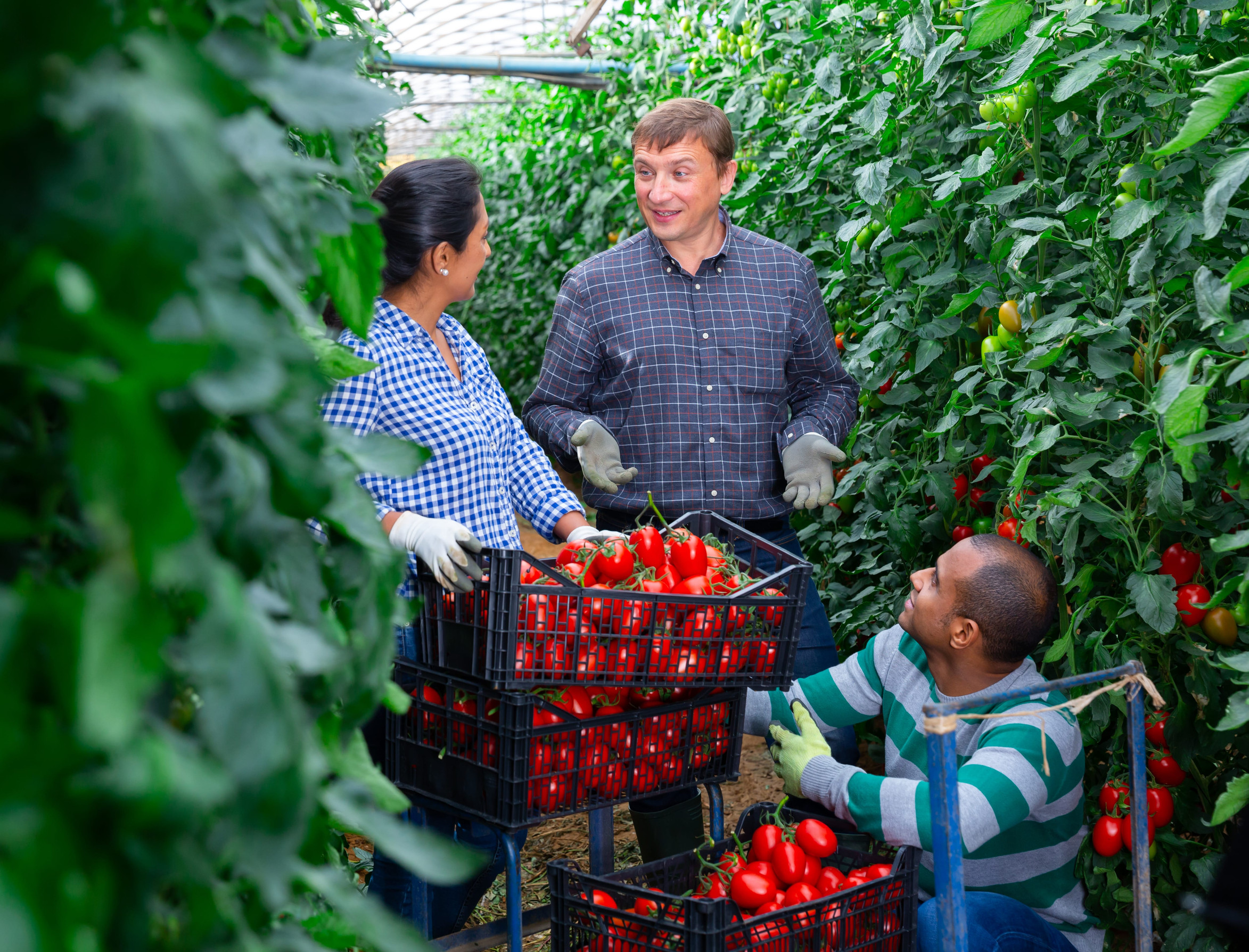
Tomatoes take the top spot, with global production reaching about 192 million tonnes in 2023. That works out to roughly 16% of the world’s approximately 1.2 billion tonnes of vegetables, as classified by the FAO.
Yes, botanically speaking, tomatoes are fruits. Agricultural statistics, however, are not interested in starting an argument around the dinner table. FAO treats tomatoes as vegetables for crop production purposes.
Their popularity is easy to understand. Tomatoes can appear fresh in salads, cooked into sauces, turned into paste, canned, juiced, or transformed into ketchup. They also grow across a wide range of climates and production systems, from small farms to massive mechanized operations and advanced greenhouses.
China, India, Türkiye, the United States and Egypt are among the major producers.
Tomatoes have also been growing in importance. Global production increased by about 25% from 2010 to 2023, climbing from roughly 154 million tonnes to 192 million tonnes.
Onions and Shallots: 111 Million Tonnes
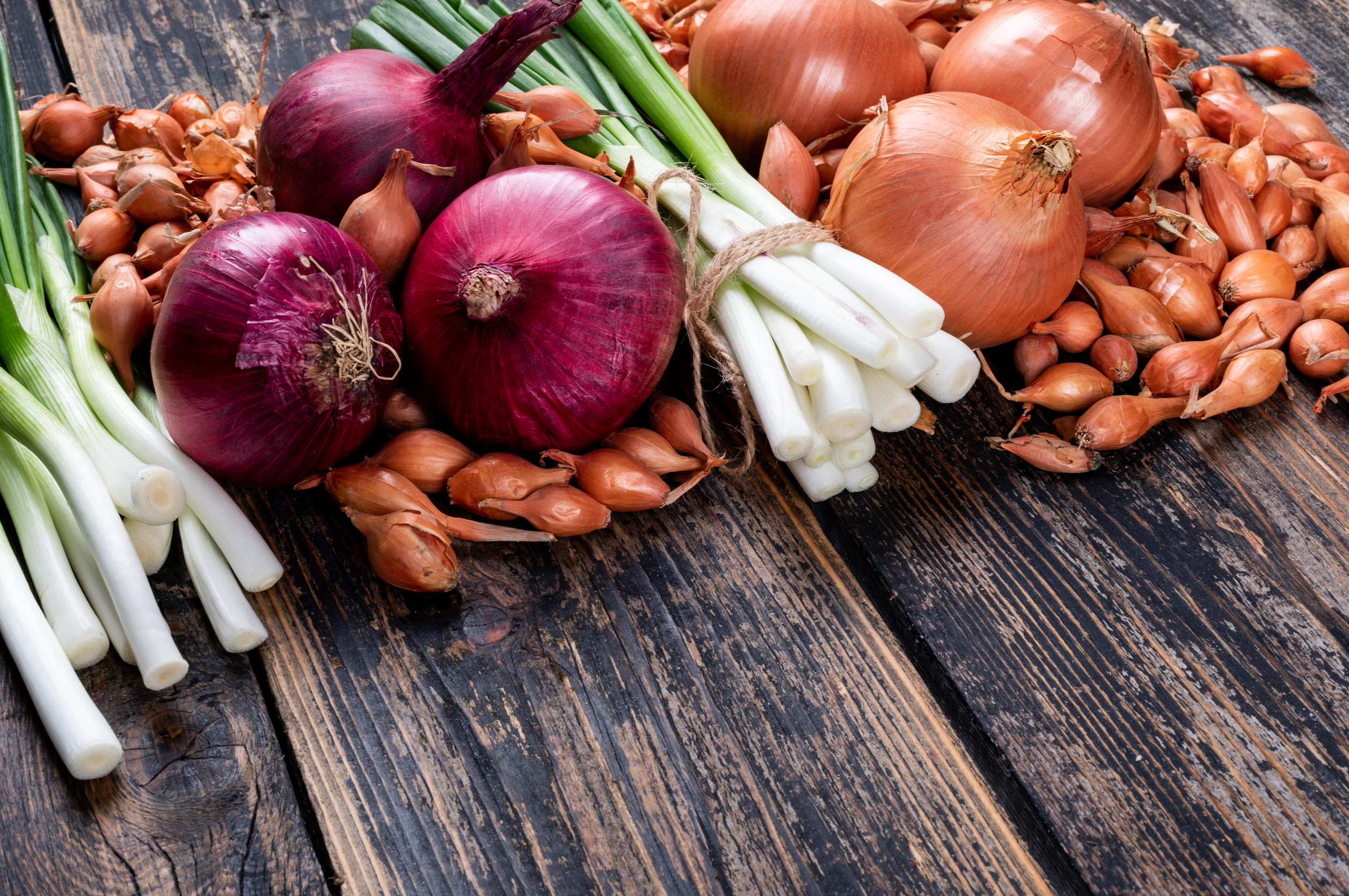
Next comes one of the most dependable kitchen ingredients: onions.
More precisely, FAOSTAT groups “onions and shallots” together, so the official figure should not be described as onions alone. Together, they reached around 111 million tonnes in 2023.
That massive output makes sense, given how often onions appear in everyday cooking. They form the base of curries, soups, sauces, stews, stir-fries, and countless other dishes. Unlike delicate leafy vegetables, onions also store relatively well, making them easier to transport and keep for long periods.
India and China are major producers, while Egypt, Türkiye, Pakistan and the United States also contribute significant volumes.
Even more striking is their growth. Onion and shallot production expanded much faster than overall vegetable production from 2010 to 2023.
Cucumbers and Gherkins: 98 Million Tonnes
Cucumbers and gherkins come in at about 98 million tonnes.
If that sounds like an astonishing number of salads, remember that cucumbers are also widely pickled, fermented and supplied to restaurants and food processors.
They are especially productive under greenhouse conditions. Protected cultivation lets farmers control temperature, irrigation, and growing seasons more precisely, helping produce high yields and supplies year-round.
China is a major player in global cucumber production, while Türkiye, Russia, Iran, Mexico, and other countries also play major roles.
Cucumbers were also among the major vegetable crops that grew more quickly from 2010 to 2023.
Cabbages and Other Brassicas: 74 Million Tonnes
Here is where the labels get a bit sneaky.
FAO’s figure of about 74 million tonnes does not refer only to the round green cabbage you might picture at the supermarket. The category is “cabbages and other brassicas” and can include crops such as Chinese cabbage, pak choi, kale, collards, Brussels sprouts and kohlrabi.
Together, these crops are hugely important in Asian and European diets. They are eaten fresh, cooked, fermented and processed into foods such as kimchi and sauerkraut.
China and India are major producers, along with Russia, South Korea and Ukraine.
Interestingly, this category grew much more slowly than the vegetable sector overall. Production increased by only about 12% from 2010 to 2023, compared with roughly 26% for vegetables overall.
Eggplants: 61 Million Tonnes
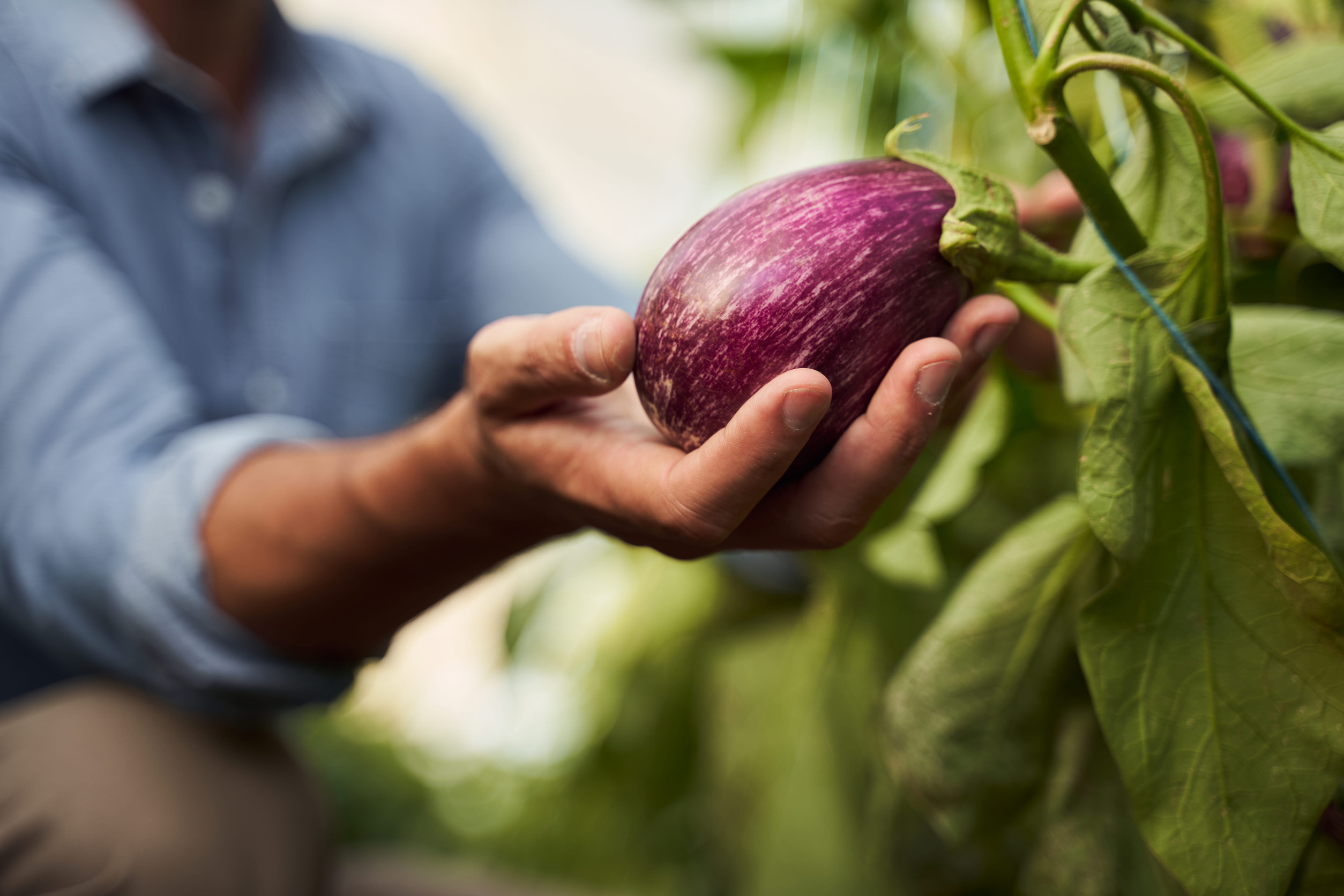
Eggplant rounds out the group, with around 61 million tonnes produced in 2023.
Eggplant may not seem like a global heavyweight if you live somewhere it is only an occasional supermarket purchase, but across Asia, the Mediterranean and the Middle East, it is a dietary staple.
It appears grilled, fried, roasted, stewed, pureed and pickled, and it thrives in warm climates.
China and India dominate production, with Egypt, Türkiye and Iran also among the important producers.
Eggplant has grown rapidly too, with production increasing by roughly 40% to 56% from 2010 to 2023.
Wait, Where Are Potatoes?
This is the fun part.
Potatoes produced around 383 million tonnes globally in 2023, almost twice the tonnage of tomatoes. So why are they not at the top?
Because FAO classifies potatoes as roots and tubers, not vegetables.
Cassava, at about 334 million tonnes, is treated the same way. If you created your own kitchen style ranking and decided potatoes were vegetables, the entire list would look dramatically different.
There is also a watermelon complication. FAO’s statistical methodology can place melons and watermelons with vegetables because they are temporary crops, even though most people think of them as fruits. Watermelon production was about 105 million tonnes in 2023, showing how much definitions can affect rankings.
What These Numbers Really Tell Us
The five biggest FAO vegetable items, tomatoes, onions and shallots, cucumbers and gherkins, cabbages and other brassicas, and eggplants, produced roughly 536 million tonnes combined in 2023. That is about 45% of global vegetable output.
But tonnage doesn’t tell us which vegetable is healthiest, most profitable, or most widely eaten. Vegetables are typically 70% to 95% water, so heavy, water-rich crops naturally perform well in rankings based on harvested weight.
Still, the numbers reveal something fascinating about the global food system: a surprisingly small group of familiar crops makes up an enormous share of what farmers harvest.
So the next time you slice a tomato, chop an onion, or toss cucumber into a salad, remember that you are eating one of agriculture’s global heavyweights.