10 Common European Things That Weird Out Americans
Europe is a tapestry of centuries-old traditions, diverse cultural norms, and culinary rituals that often leave American visitors both intrigued and bewildered. These subtle practices reflect values, history, and societal priorities that differ dramatically from what many Americans are accustomed to.
While the average U.S. traveler might expect convenience, abundance, and predictability, European life often emphasizes quality, mindfulness, and an appreciation for rhythm over speed. With more than 16 million Americans visiting Europe annually, the gap between expectation and experience becomes clear, often resulting in culture shock that is equal parts amusing and educational.
Understanding these customs not only prepares visitors but also enriches the travel experience, transforming moments of surprise into opportunities for appreciation, learning, and adaptation.
Paying for Bottled Water at Restaurants

One of the first and most jarring surprises for American visitors is the expectation to pay for water at restaurants. Unlike in the U.S., where tap water is typically complimentary, European restaurants generally serve bottled water and ask patrons to choose between still and sparkling varieties.
This practice is not about nickel-and-diming customers but reflects cultural norms and restaurant economics, where quality bottled water is considered a menu item rather than a free accompaniment. Tourists often find themselves adjusting to the idea that hydration is a commodity, not a given.
While this may initially feel inconvenient, it also introduces a level of mindfulness. Diners become more intentional with consumption, and the choice between still and sparkling can add subtle sophistication to the dining experience.
Smaller Refrigerators and Minimal Ice
American visitors often note the compact size of European refrigerators and the relative absence of ice in drinks. Europeans prioritize frequent grocery shopping for fresh produce over storing bulk items or large quantities of frozen food, reflecting both lifestyle and space considerations. Ice is often considered unnecessary, as drinks are enjoyed in smaller, more concentrated servings.
This shift underscores a cultural emphasis on efficiency, freshness, and environmental consciousness. Visitors can appreciate that what initially seems inconvenient is actually a reflection of a lifestyle that values quality over quantity. In restaurants, politely asking for ice may yield results, but it is generally less abundant than Americans expect.
Paying to Use Public Bathrooms
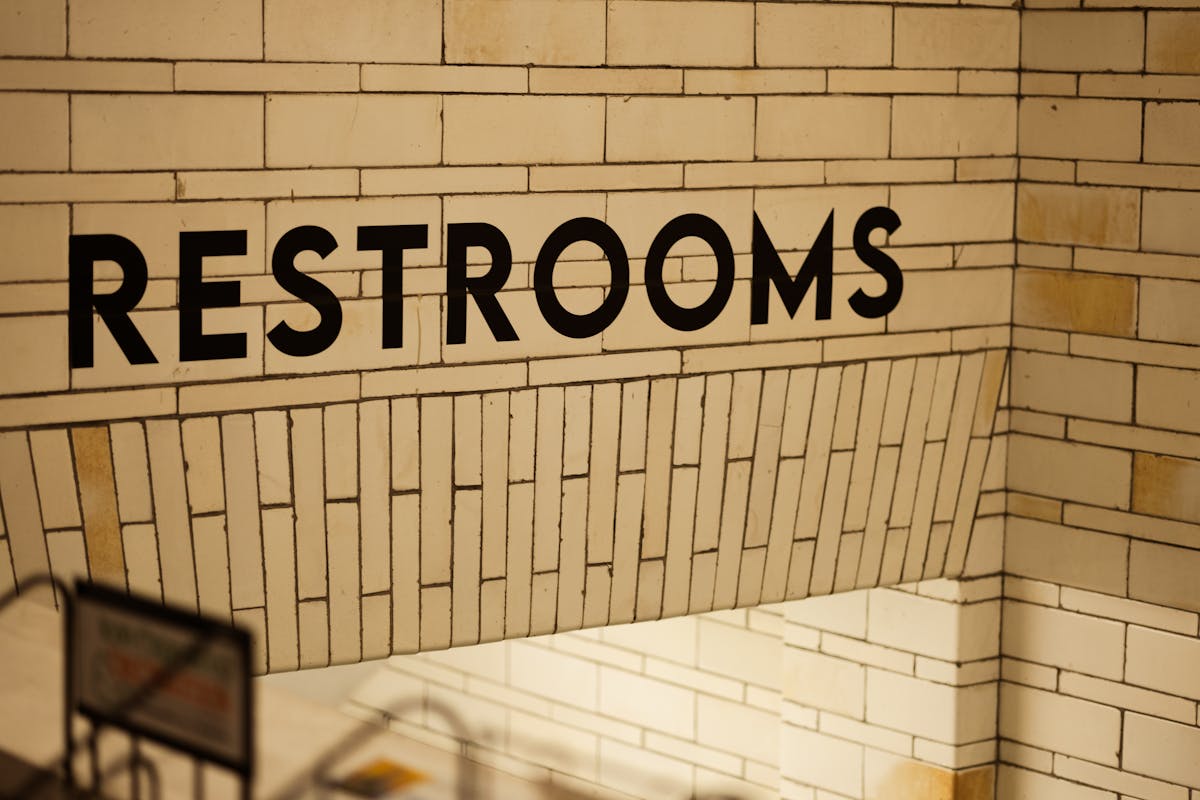
Public restroom access is another element that often surprises Americans. In many European cities, even in train stations or shopping centers, access comes with a nominal fee, usually a coin. Far from being a petty practice, this approach supports maintenance, cleanliness, and staffing, ensuring that facilities remain hygienic and functional for both locals and visitors.
Free public toilets are increasingly advocated for in cities, but the pay-to-pee system remains standard in many regions, creating a cultural expectation that contrasts sharply with U.S. norms.
For travelers, carrying small denominations becomes an essential part of daily planning. It is not merely a practical matter but also an insight into European urban infrastructure, which balances public convenience with financial sustainability.
Universal Use of the Metric System
Metric measurements such as kilograms, liters, kilometers, and Celsius dominate daily life in Europe, requiring Americans to adjust to the metric system. This shift affects everything from temperature readings to recipe conversions and speed limits while driving. While initially challenging, familiarity with the metric system allows travelers to navigate European environments with clarity and confidence.
Smart preparation includes downloading conversion apps or learning common benchmarks, both of which simplify interactions and enhance the visitor experience. The consistent use of the metric system reflects a long-standing commitment to scientific standardization and international coherence.
Minimal Air Conditioning

During European summers, the absence of widespread air conditioning surprises many Americans. Unlike the U.S., where climate control is ubiquitous, Europeans often rely on natural ventilation, fans, or open windows. Historically, milder climates have reduced the necessity for central air, although heat waves are gradually influencing infrastructure upgrades.
Visitors can anticipate warmer indoor temperatures and plan accordingly by using portable fans or seeking accommodations with air conditioning. This difference illustrates a European preference for adaptive, energy-conscious solutions over automatic climate control.
Public Transportation as Primary Mobility
Europeans rely heavily on public transit, from buses and trams to regional trains and high-speed rail networks. This reliance contrasts with U.S. car-centric travel and encourages walking, cycling, and multimodal commuting. Apps, schedules, and tickets provide efficiency, but Americans may initially find the system’s pace and precision unfamiliar.
Understanding and embracing public transportation enhances the experience, offering cost-effective, environmentally friendly, and reliable mobility. Travelers who adapt quickly gain insight into European urban design and daily life rhythms.
Sunday Store Closures
In many European countries, Sundays are reserved for rest or family time, leading to closed stores, supermarkets, and limited dining options. This is a stark contrast to U.S. norms of 24/7 retail accessibility. While inconvenient for the unprepared, this practice supports societal balance and reduces stress on employees, emphasizing the importance of rest in cultural rhythms.
For travelers, planning ahead ensures access to essentials and highlights the value Europeans place on personal and family well-being. This custom reflects societal priorities that differ from American expectations but offer a model for work-life integration.
Different Tipping Norms
Tipping in Europe often differs dramatically from the 15-20% expectation in the U.S. Service charges are frequently included in the bill, and additional tipping is minimal or symbolic. This system reduces confusion, reflects fair compensation structures, and shifts the focus from gratuity to overall quality of service.
Visitors benefit from understanding local customs to avoid over-tipping or unintentionally insulting staff. Observing these subtleties enhances social interactions and demonstrates cultural respect.
Autobahn Speed Freedom
Germany’s Autobahn, famously unrestricted in certain areas, challenges American perceptions of highway speed limits. Drivers can reach high velocities with proper training, but caution and awareness remain crucial. Understanding the rules, right-lane etiquette, and regional variations ensures safety while embracing a distinctive driving culture.
For travelers accustomed to rigid speed enforcement, this represents a blend of freedom and responsibility unique to European road systems. It exemplifies trust in driver competence and infrastructural reliability.
Coffee Culture Variations

European coffee culture often prioritizes small servings, such as espresso or cappuccino, consumed on-site rather than to-go. This contrasts with American preferences for large, iced beverages and takeaway convenience. The emphasis is on savoring flavor, quality, and social engagement rather than quantity or speed.
Visitors can adapt by embracing local coffee rituals, appreciating nuanced flavors, and enjoying the communal aspect of café culture. This approach enriches the sensory and social aspects of European dining.
Conclusion
Experiencing Europe requires more than just sightseeing; it involves immersing oneself in the cultural nuances that define everyday life. These practices may initially feel foreign but offer deep insights into societal values.
By observing, adapting, and respecting these customs, American travelers gain a richer, more authentic experience, learning that the charm of Europe lies not only in its landmarks but also in its rhythms, etiquette, and daily rituals.
Ultimately, embracing these differences enhances travel satisfaction, broadens perspectives, and cultivates a greater appreciation for the diversity of human experience.