10 Foods You Should Never Store in the Fridge Door
The fridge door looks like prime storage space. It has neat shelves, little compartments, and just enough room for the foods we grab every day. That convenience tricks many of us into placing the most delicate groceries in the worst possible spot.
The problem is simple. The fridge door gets the biggest blast of warm air every time it opens. That means milk, eggs, meats, soft cheeses, and leftovers are subject to constant temperature fluctuations, which can spoil them more quickly and create food safety issues. We should treat the door as a home for condiments, pickles, jams, bottled drinks, and sturdy sauces, not the groceries that need steady cold.
Here are some foods you should avoid storing in the fridge door;
Milk

Milk is probably the most common fridge-door mistake. The carton fits perfectly in the door shelf, so it feels like that spot was made for it. Sadly, that perfect fit does not mean perfect storage.
Milk needs a cold, steady environment to stay fresh. Every time the fridge opens, the door shelf gets exposed to warmer air first, and milk takes the hit. Over time, that repeated warming and cooling can make it sour faster than expected. We should store milk on an inside shelf, preferably toward the back, where the temperature stays more stable.
Eggs
Many refrigerators come with egg trays in the door, which feels like official permission to store eggs there. That little tray may look charming, but it is one of the most misleading parts of the fridge. Eggs need steady cold, and the door cannot offer that as well as the main shelves.
Eggs should stay in their original carton on an interior shelf. The carton helps protect them from odors, moisture loss, and cracking. It also keeps the use-by date visible, which is useful when we forget exactly when we bought them. The door tray may look tidy, but eggs are safer and fresher inside the fridge.
Raw Meat
Raw meat should never live in the fridge door. Beef, pork, lamb, and similar proteins need the coldest, most controlled space possible. The door is too warm, too unstable, and too exposed to constant movement.
There is also the dripping problem. If raw meat leaks, those juices can contaminate other foods and turn a messy fridge into a food-safety nightmare. We should store raw meat on the lowest interior shelf, tightly sealed in a container, or on a rimmed plate. That keeps it colder and prevents dangerous drips from reaching ready-to-eat foods.
Seafood
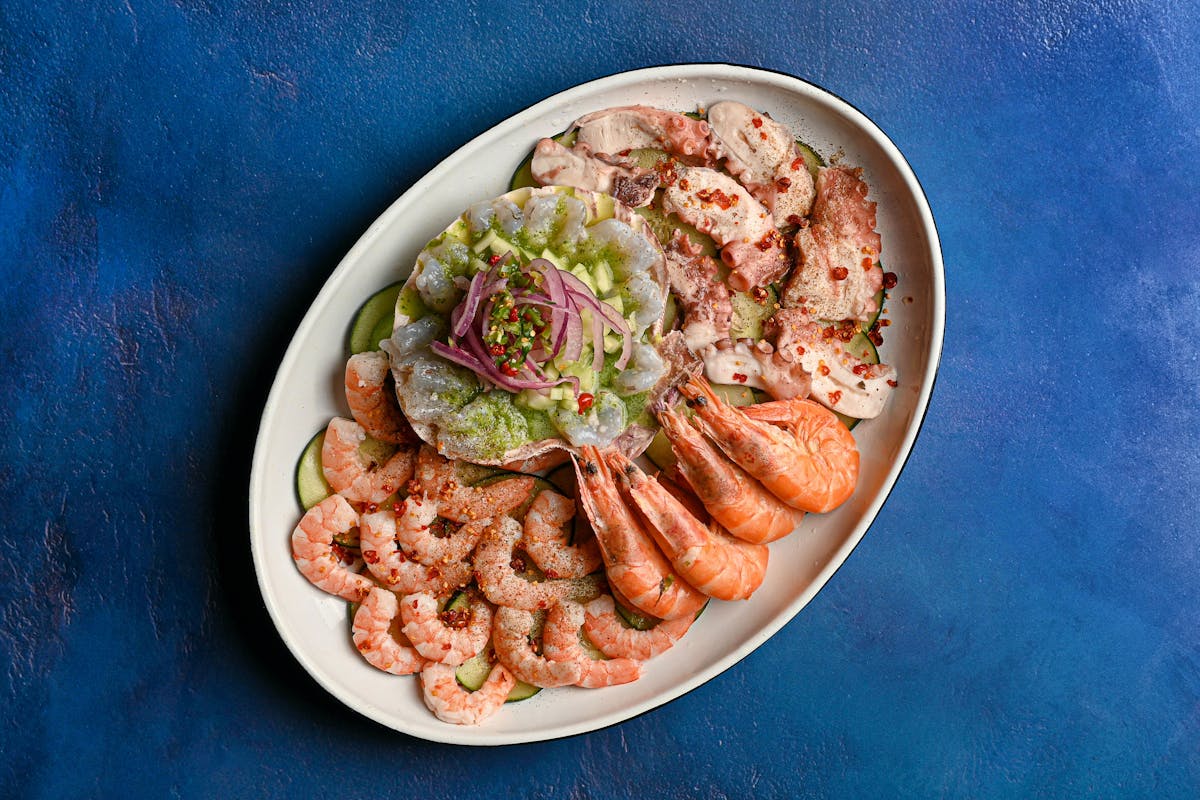
Seafood is too delicate for the fridge door. Fish, shrimp, crab, scallops, and other seafood spoil quickly when they do not stay properly cold. The door may feel chilly, but it is still the warmest and least stable part of the refrigerator.
Fresh seafood should sit on the lowest shelf in a sealed container, ideally in the coldest section of the fridge. If we plan to cook it the same day, great. If not, we should still keep it as cold and protected as possible. Seafood is one grocery category where convenience should never take precedence over caution.
Soft Cheese
Soft cheese may seem harmless in the fridge door, especially if it comes in a small tub or neat package. Cream cheese, brie, ricotta, goat cheese, cottage cheese, and fresh mozzarella all need better treatment. Their higher moisture content makes them more sensitive to temperature changes.
When soft cheese sits in the door, it can lose freshness faster and develop an unpleasant texture. Some may become watery, sour, or moldy sooner than expected. We should keep soft cheese on an interior shelf in its original packaging or in an airtight container after opening. The door can handle mustard. It should not babysit Brie.
Yogurt
Yogurt cups often land in the door because they are small, stackable, and easy to grab during a busy morning. That habit feels practical, but it does not help the yogurt last. Dairy products need a steady cold, and yogurt is no exception.
Repeated temperature changes affect yogurt’s freshness, taste, and texture. It may separate faster or smell off before we expect it to. We should keep yogurt on a middle shelf inside the fridge, where it stays colder and more stable. A small bin can still make it easy to grab without sacrificing freshness.
Leftovers
Leftovers deserve better than a crowded fridge door. Cooked rice, pasta, soup, roasted meat, casseroles, and takeout containers still need proper refrigeration. Just because food has been cooked does not mean it can handle temperature swings.
The fridge door also moves every time someone opens it, which can cause containers to shift, leak, or fall. Leftovers should go on an upper or middle interior shelf in shallow, sealed containers. That keeps them visible, safe, and easy to use before they become mystery meals. If we do not eat them soon, freezing is better than letting them go to waste in the fridge.
Deli Meat

Deli meat feels like an easy snack food, which is exactly why it often gets pushed through the door. Ham, turkey, salami, roast beef, bologna, and opened lunch-meat packs need colder storage than the door provides. These foods are ready to eat, so they should be protected from poor storage habits.
The better spot is the meat drawer or a cold interior shelf. Once opened, deli meat should be kept sealed and used within a reasonable time. If the package looks slimy, smells strange, or has been sitting for too long, it belongs in the trash. Sandwich meat is too expensive to waste and too risky to treat casually.
Butter
The butter compartment makes this one tricky. Many fridges practically invite us to put butter in the door, and a small amount for quick use may be fine in many homes. The real mistake is storing all the butter there for long periods.
Butter can soften and firm up repeatedly in the door, especially in busy kitchens where the fridge opens all day. That can hurt the flavor and freshness, particularly with unsalted or specialty butter. We should keep most butter on an interior shelf and only place a small amount in the door if we use it quickly. The butter door is convenient, but it should not be used for long-term storage.
Cut Fruit
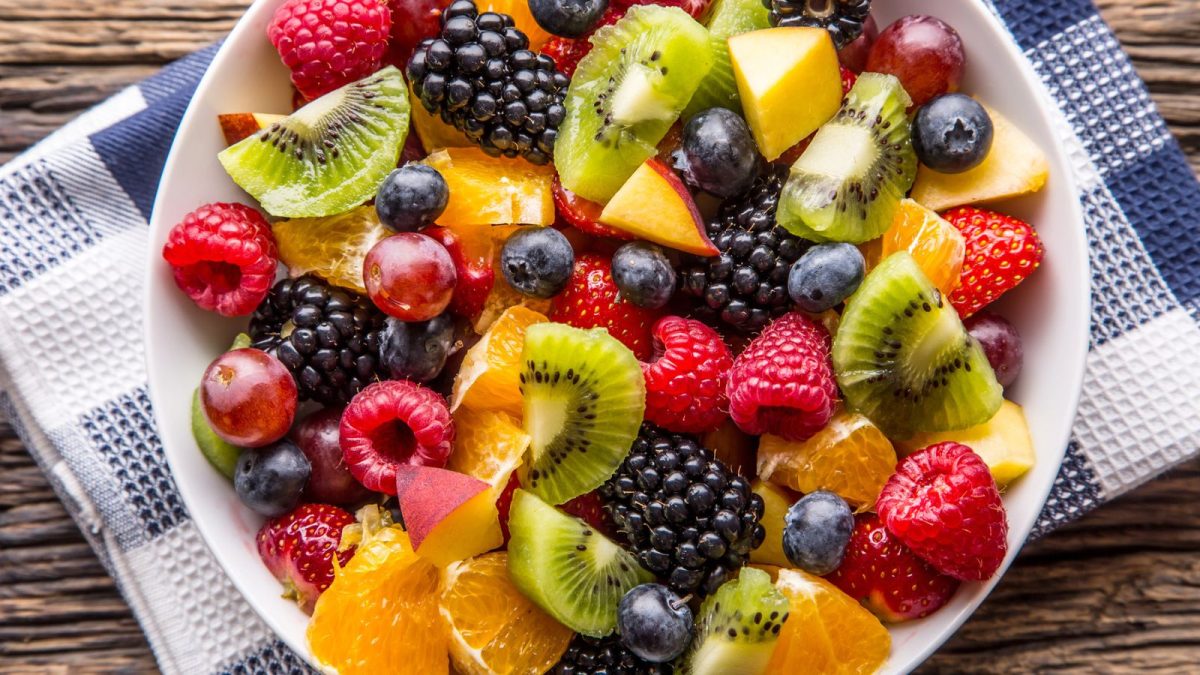
Whole fruit can be flexible, but cut fruit needs more care. Sliced melon, washed berries, fruit salad, citrus wedges, mango chunks, and chopped apples have exposed surfaces that make them more vulnerable. Once fruit is cut, it needs clean containers and a steady cold.
The fridge door is not the best place for prepared fruit because it gets too much warm-air exposure. We should store cut fruit in sealed containers on an interior shelf or in a suitable crisper area. That helps preserve texture, flavor, and freshness. It also keeps fruit from turning soggy, dry, or suspicious before anyone gets to enjoy it.
Conclusion
The fridge door is convenient, but it is not the coldest part of the refrigerator. That makes it a poor home for milk, eggs, raw meat, seafood, soft cheese, yogurt, leftovers, deli meat, butter, and cut fruit. These foods need steadier temperatures, cleaner placement, and better protection than the door can offer.
A better fridge setup saves money, prevents waste, and keeps food fresher for longer. Move the delicate groceries inside, give raw proteins the bottom shelf, keep dairy away from the door, and let condiments claim the space they can actually handle. The door may be easy to reach, but the safest spot is often deeper inside.