8 Fruits You Don’t Want to Eat Before Going to Bed
Fruit has a healthy glow, and most of the time it deserves applause. It gives the body fiber, water, vitamins, antioxidants, and that sweet little reward people reach for when they want dessert without the guilt. Still, bedtime is a different arena. The same fruit that feels refreshing at noon can turn dramatic at midnight, especially if it is acidic, watery, very sweet, or heavy on fermentable sugars.
This does not mean fruit is bad. It means timing matters. Sleep experts warn that eating too close to bedtime can worsen reflux, heartburn, and sleep quality, especially when the stomach is still working while the body is trying to slow down. A general rule is to give yourself about two to three hours before lying down after eating, especially if you already deal with nighttime reflux or indigestion. Here are eight fruits you may want to avoid right before bed if you want your night to feel calm instead of chaotic.
Oranges

Oranges feel innocent because they are bright, juicy, and packed with vitamin C. The problem comes from their acidity. Eating oranges right before bed can be rough for people who already struggle with acid reflux, sour burps, or that burning feeling in the chest after lying down. Once your head hits the pillow, gravity stops helping your stomach keep everything where it belongs, and acidic foods may become more irritating.
Citrus fruits are commonly listed among foods that can worsen GERD symptoms because acidic foods may irritate the esophagus and increase stomach acid production in some people. An orange after lunch is one thing. An orange at 11 p.m., followed by lying flat, can feel like inviting a tiny firework show into your chest. If you love oranges, eat them earlier in the day and let bedtime stay peaceful.
Grapefruit
Grapefruit has a sharper personality than oranges. It is tart, bold, and refreshing, but it can be too aggressive before bed. For people with sensitive stomachs, grapefruit can feel like a citrus alarm bell. That stingy, sour edge may sit heavily as the digestive system slows down for the night.
Grapefruit can also be tricky for another reason. It interacts with some medications, so people taking prescriptions should be cautious with it. At bedtime, the main issue is still acid. If you already know citrus gives you heartburn, grapefruit is not the fruit to test while wearing pajamas. Save it for breakfast, where its punchy flavor belongs.
Pineapple
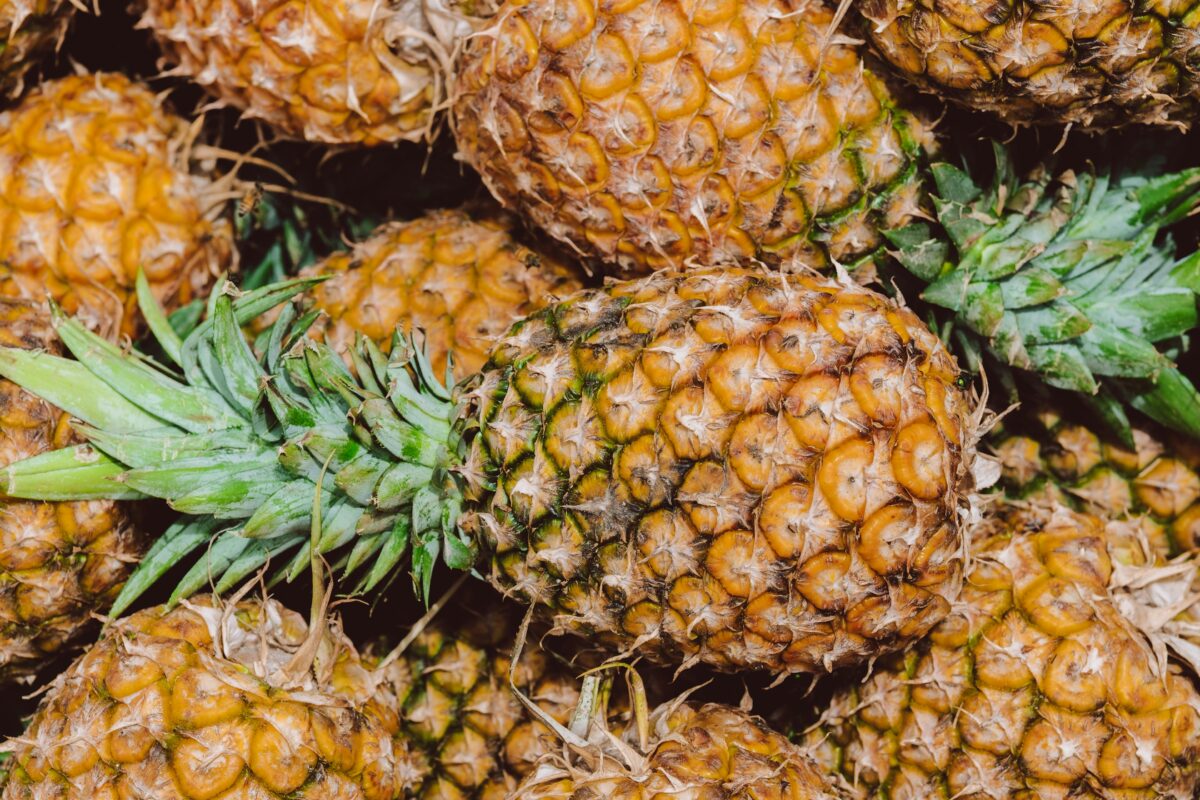
Pineapple tastes like a vacation, but before bed, it can behave like trouble in a tropical shirt. It is acidic, juicy, and sweet, which can make it a potential irritant for people prone to reflux. Some people also feel a burning or prickly sensation in the mouth after eating it because of bromelain, the enzyme that helps break down proteins.
That does not make pineapple unhealthy. It simply means it is not always bedtime-friendly. A few chunks after dinner may be fine for some people, but a large bowl late at night can leave the stomach busy and irritated. If you already feel bloated after heavy meals, pineapple may not be the soft landing you want before sleep. Eat it earlier, when your body has time to properly digest it.
Watermelon
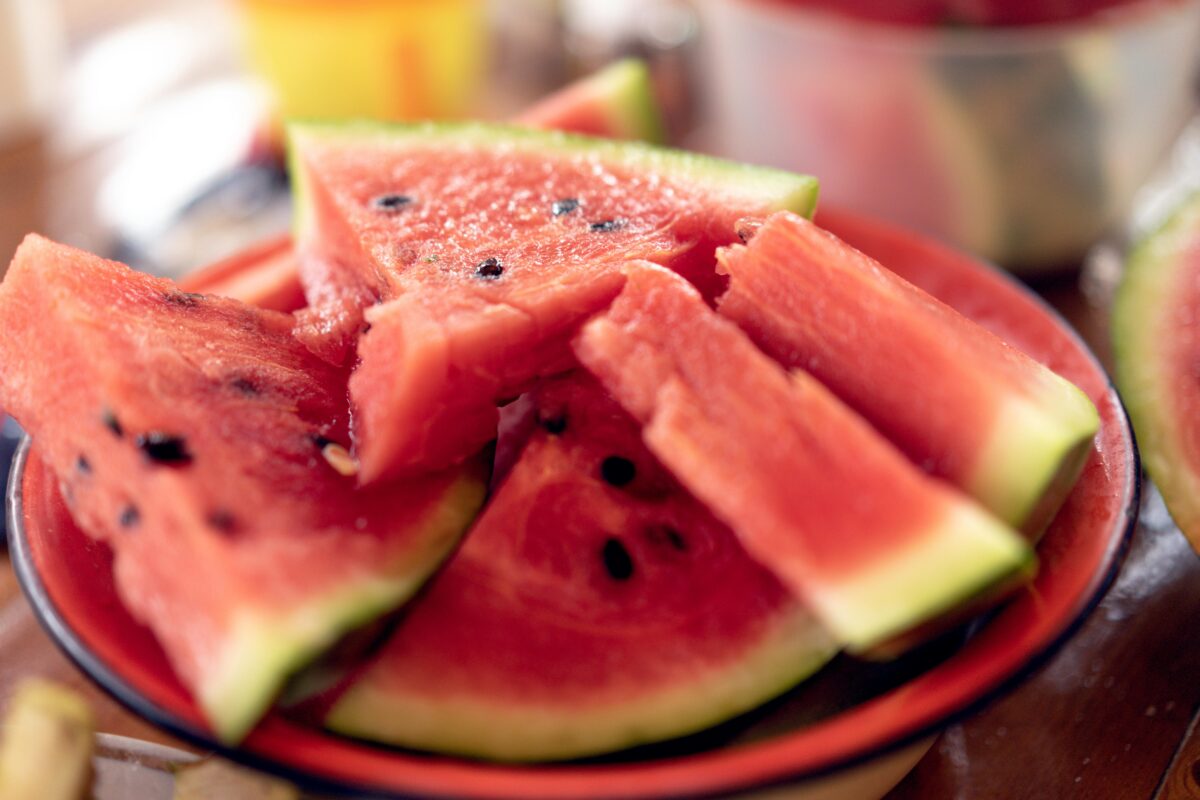
Watermelon sounds like the perfect night snack because it is light and refreshing. That is exactly where the trap hides. Watermelon is mostly water, so a generous late-night serving may send you to the bathroom when you should be deep in sleep. Waking up once can easily turn into checking the time, scrolling your phone, and losing the calm you worked all evening to create.
Watermelon can also bother people with sensitive digestion. Monash University explains that certain fermentable carbohydrates, known as FODMAPs, can trigger bloating, gas, and pain in people with IBS or sensitive guts. Watermelon appears on many high-FODMAP caution lists, especially for larger portions. A small piece may be harmless, but a huge bowl right before bed can turn your stomach into a water park with sound effects.
Mango
Mango is rich, fragrant, and almost too delicious to eat slowly. That is part of the problem. It is easy to keep slicing until half the fruit is gone, especially when it is perfectly ripe. Mango contains natural sugars and fermentable carbohydrates that may cause bloating in some people, especially when eaten late or in large amounts.
For people with IBS or sensitive digestion, mango often ranks among fruits that may trigger discomfort due to its high fructose content. Bedtime is not the best moment to challenge your gut with a fruit that is sweet, dense, and easy to overeat. Mango belongs in smoothies, fruit bowls, and sunny afternoon snacks. At night, it may leave you tossing around with a stomach that feels louder than your alarm.
Grapes

Grapes are dangerous in the quietest way. Nobody eats five grapes and stops with dignity. They come in clusters, they pop like candy, and suddenly the bowl is empty. Grapes are not heavy, but they are sweet and easy to overeat, which can be a problem right before bed.
The National Sleep Foundation notes that excess sugar can lead to more frequent awakenings and that certain foods close to bedtime can disturb sleep. Grapes have natural sugar, not added sugar, but a large serving late at night still gives your body something to process when it should be winding down. If you want grapes, keep the portion small and eat them earlier. Bedtime is not the hour for fruit that disappears by the handful.
Apples
Apples have a clean reputation, but they can be surprisingly noisy in the stomach at night. They contain fiber, which is good for digestion, but fiber also takes time to move through the system. Eat a large apple right before bed, and your gut may start working overtime while the rest of you is begging for silence.
Apples also contain fermentable sugars that may cause gas and bloating in sensitive people. The Canadian Digestive Health Foundation notes that polyols such as sorbitol can be poorly absorbed and fermented by gut bacteria, producing gas, and apples are listed among foods that contain sorbitol. That crisp bedtime apple may sound wholesome, but it can become a crunchy little mistake if it leaves you bloated under the blanket.
Pears
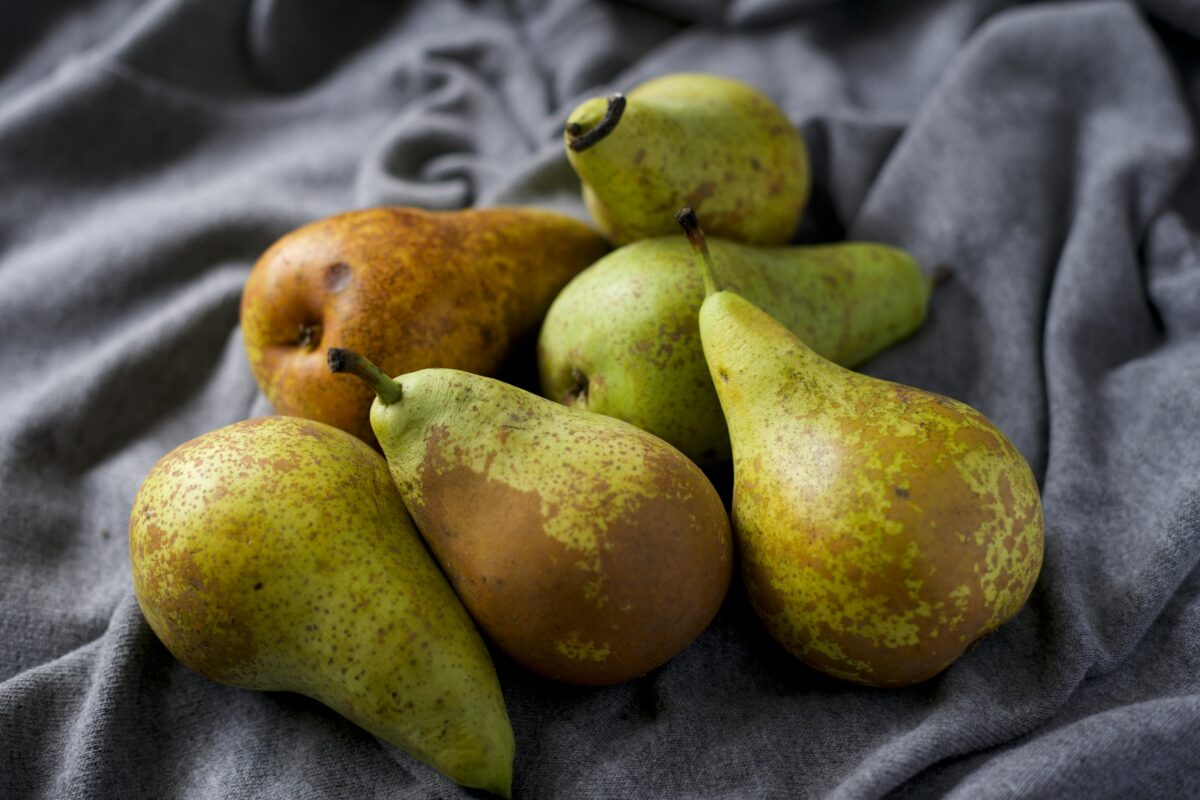
Pears are soft, sweet, and elegant, but they can be sneaky before bed. Like apples, pears contain fiber and naturally occurring sugar alcohols that may upset sensitive digestive systems. If your stomach already reacts to certain fruits, pears may bring bloating, pressure, or bathroom drama at the worst possible hour.
This does not make pears unhealthy. They are a good fruit, just not always a good late-night fruit. The issue is timing and tolerance. A pear during the day gives your body time to handle the fiber and sugars. A pear right before bed may sit there like unfinished business. If you often wake up feeling gassy or uncomfortable, pears are worth moving to breakfast or lunch.
Conclusion
Fruit is not the villain of the bedtime story. The real problem is choosing the wrong fruit at the wrong hour, then lying down before your stomach has had a fair chance to do its job. Oranges, grapefruit, and pineapple can be too acidic for people with reflux. Watermelon can disrupt sleep due to bathroom trips. Mango, apples, pears, and grapes can bring sugar, fiber, or fermentable carbohydrates that may bother sensitive stomachs.
The smartest move is not to fear fruit. Eat it earlier, keep portions sensible, and pay attention to how your body responds. If you want a small bedtime snack, choose something gentle and balanced instead of a large bowl of acidic or very sweet fruit. Good sleep starts with a calmer evening, and sometimes that means letting the fruit bowl wait until morning.