8 Everyday Foods That Are Surprisingly Low in Calories
“Almost no calories” sounds simple, but it is not meant literally. None of these foods contain zero calories. Instead, these raw, non-starchy vegetables are known for being very low in calories while adding crunch, freshness, and texture to everyday meals.
From salad bowls and wraps to snack plates and cooked dishes, these ingredients can fit into many kitchen routines. The key is to look at them as useful ingredients rather than magic foods. Here are eight familiar vegetables that bring plenty of flexibility to the table while staying low in calories.
Celery
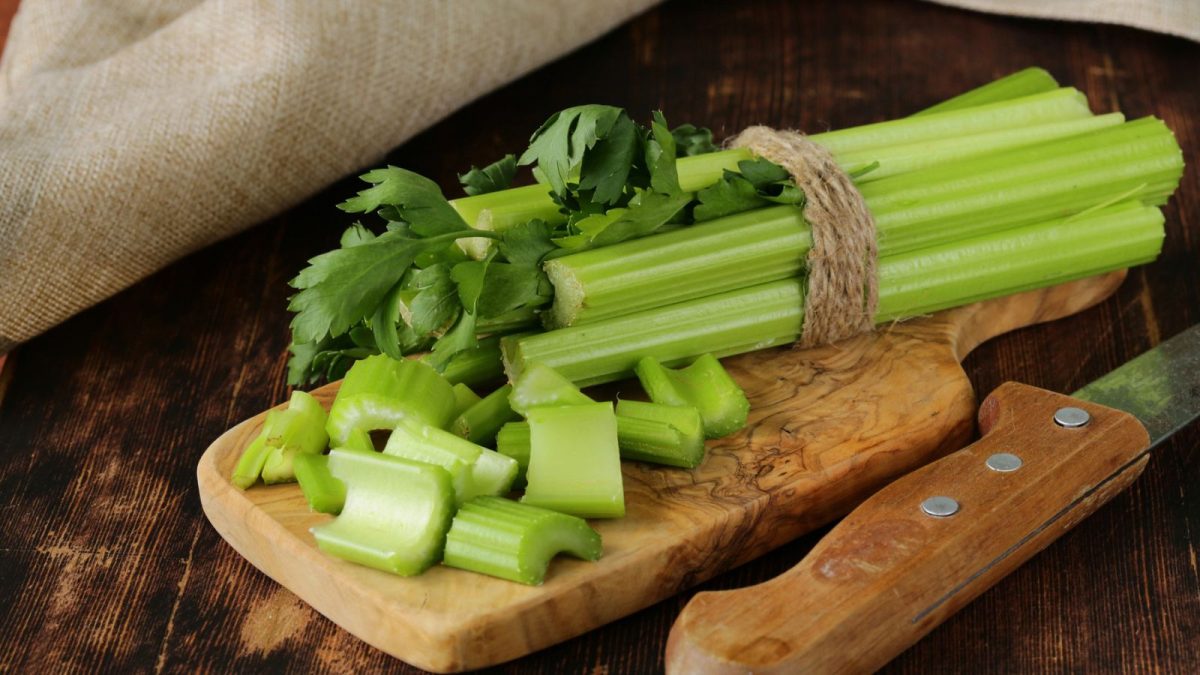
Celery is a crisp vegetable that works well in snack plates, salads, soups, and chopped vegetable mixes. A serving of two medium raw celery stalks, weighing 110 g, contains 15 calories, along with 2 g of dietary fiber, 260 mg of potassium, and 115 mg of sodium.
It earns a place on this list because it is one of the lowest-calorie options by a typical snack-size serving. The honest verdict: celery is a simple, crunchy ingredient that works best when you enjoy its texture and fresh flavor, not because it is calorie-free; it is not.
Cucumber
Cucumber is a familiar choice for salads, sandwiches, snack plates, and cold sides. One-third of a medium raw cucumber, weighing 99 g, contains 10 calories, with 1 g of dietary fiber and 140 mg of potassium.
Cucumber is included because it is easy to use in everyday meals and has a very low calorie count in its plain raw form. The honest verdict: when discussing calorie amounts, it is important to pay attention to the specific form and serving size being measured.
Iceberg Lettuce
Iceberg lettuce brings a mild flavor and crisp texture to salads, sandwiches, wraps, and tacos. One-sixth of a medium iceberg lettuce head, weighing 89 g, contains 10 calories, along with 1 g of fiber and 125 mg of potassium.
It makes the list because it can add more volume and crunch to meals before other ingredients are added. The honest verdict: iceberg lettuce itself is low in calories, but the final calorie amount of a salad depends on additions such as dressings, toppings, and other ingredients.
Radishes
Radishes are a peppery root vegetable that can add a sharp flavor and crunchy bite to salads, tacos, grain bowls, and snack plates. USDA-derived data list raw radishes at approximately 16 calories per 100 g, with about 1.6 g of fiber in that amount.
Radishes stand out because they bring a stronger flavor than many mild vegetables while remaining low in calories by weight. The honest verdict: measuring radishes by weight is more useful than assigning a calorie count to one individual radish because sizes can vary.
Romaine Lettuce
Romaine lettuce is a crunchy leafy green often used as a salad base, sandwich topping, or lettuce-wrap ingredient. USDA-derived data list raw romaine lettuce at approximately 17 calories per 100 g, with about 2.1 g of fiber per 100 g.
It offers another low-calorie leafy option for readers looking for structure and crunch in everyday meals. The honest verdict: romaine is a versatile ingredient, but a romaine-based dish can change significantly depending on what is added to it.
Zucchini
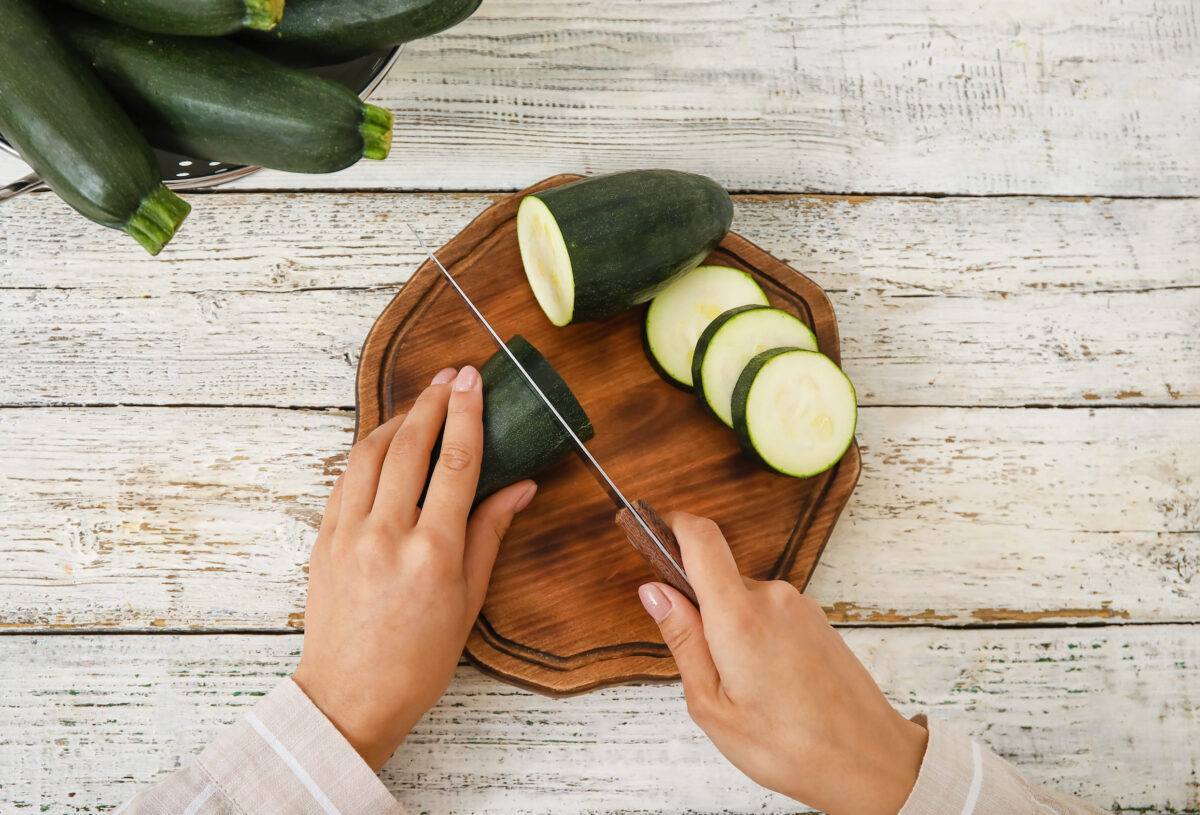
Zucchini is a mild summer squash that can be served raw, sautéed, grilled, roasted, or sliced into ribbons. USDA-derived data list raw zucchini with skin at approximately 17 calories per 100 g, with about 1 g of fiber in the same amount.
It belongs on this list because it gives home cooks a flexible vegetable option that works beyond salads and raw snacks. The honest verdict: the calorie figure applies to plain raw zucchini, while ingredients added during cooking can change the total for the finished dish.
Asparagus
Asparagus is a green vegetable commonly cooked as a side dish or added to bowls, egg dishes, and other meals. Raw asparagus contains 20 calories per 100 g, and the same amount provides 2.2 g protein, 2.1 g fiber, and 2 mg sodium.
It adds variety to this list because it is often used in warm meals rather than only raw preparations. The honest verdict: the stated calorie amount is for raw asparagus, so cooking it with added ingredients can change the overall calorie count.
Spinach
Spinach is a leafy green that can be eaten raw in salads or cooked into eggs, soups, pasta dishes, and sides. Raw spinach contains 23 calories per 100 g, with 2.9 g protein, 3.6 g carbohydrate, and 0.4 g fat in that amount.
Spinach earns a spot because it works in both fresh and cooked recipes while remaining low in calories by weight. The honest verdict: raw and cooked spinach should not be compared using the same volume measurements, since cooking changes how much space the leaves take up.
These vegetables show that simple ingredients can add plenty of texture and variety to everyday meals without relying on complicated recipes or products.