Eight Reasons Your Coffee Never Tastes Like the Café Version
You buy the same beans, use your favorite mug, and follow a familiar routine. Yet the coffee you make at home still does not taste like the smooth, balanced cup you order at a café.
The difference is rarely just an expensive machine or a secret barista trick. Coffee shops control many small details, from grinding the beans at the right moment to using the correct water temperature and keeping equipment clean. At home, even small mistakes can leave coffee tasting weak, bitter, sour, flat, or burnt.
Here are the most common reasons your coffee falls short and how to improve it.
Your Coffee Is Not Fresh Enough
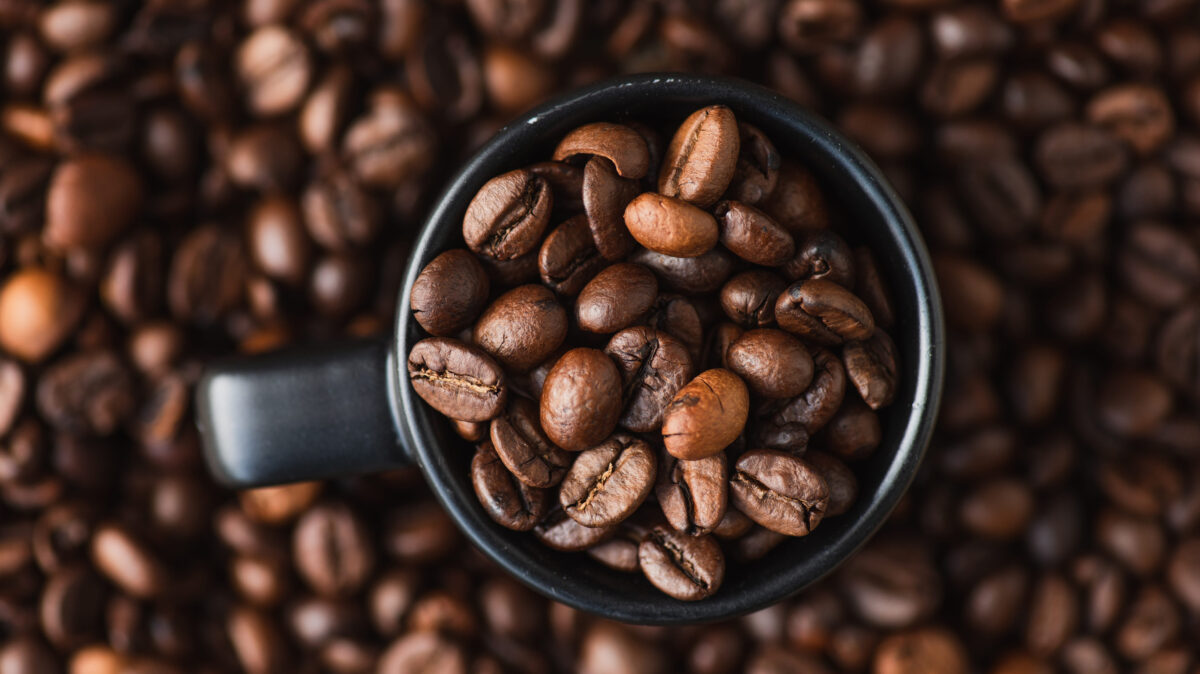
Coffee starts losing flavor after roasting, and the process speeds up once you grind the beans. Whole beans contain aromatic oils and gases that create coffee’s fragrance and complexity. Grinding exposes more surface area to air, allowing those flavors to disappear faster.
This is why pre-ground coffee often tastes dull even when it is still within its best-by date. It may produce a drinkable cup, but it is less likely to have the sweetness, brightness, and aroma found in freshly brewed café coffee.
Most cafés grind beans immediately before brewing. To get closer to that experience, buy whole beans whenever possible and choose quantities you can finish within a few weeks. Store them in an airtight container away from heat, sunlight, and moisture. A cool cupboard is usually the best option for everyday storage.
Your Grind Is Wrong for Your Brew Method
Grind size strongly affects flavor because it controls how quickly water extracts compounds from coffee grounds.
Different brewing methods require different grinds. French press works best with coarse grounds because coffee remains in contact with water for several minutes. Espresso needs a fine grind because water passes through quickly under pressure. Drip coffee and pour-over methods usually require medium or medium-fine grounds.
If the grind is too coarse, water passes through too quickly, and the coffee may taste weak, sour, or watery. If it is too fine, extraction can go too far, creating bitterness and a dry aftertaste.
Consistency matters as well. Blade grinders often create uneven particles, while burr grinders produce more uniform grounds and allow better control. If coffee tastes sour or thin, try a slightly finer grind. If it tastes harsh or bitter, try a slightly coarser one. Adjust one factor at a time so you know what improves the result.
You Are Not Measuring Coffee and Water
Many people rely on scoops, but this can create inconsistent results. Coffee beans vary in density, roast level, and grind size, meaning the same scoop may not always contain the same amount of coffee.
Cafés use scales because accuracy helps them repeat recipes. A useful starting point for many home brewing methods is a ratio of about one part coffee to 15–18 parts water by weight.
For one larger mug, try around 15–16 grams of coffee with 250 grams of water. For two servings, begin with about 30–32 grams of coffee and 500 grams of water.
If coffee tastes weak, add more coffee rather than simply increasing brewing time. Longer brewing can create bitterness without fixing an incorrect ratio. A small digital kitchen scale is an affordable way to make your coffee more consistent.
Your Water Is Affecting the Taste
Coffee is mostly water, so water quality strongly affects the final drink. Tap water with chlorine, metallic flavors, or unpleasant odors can affect your coffee’s taste.
Many cafés filter their water to remove unwanted flavors and create more consistent results. Extremely hard water can make coffee taste dull or chalky, while water with too few minerals may not extract flavors properly.
The simplest rule is to use water that tastes good on its own. If you won’t enjoy drinking it, it won’t make excellent coffee. A basic filter can often make a noticeable improvement.
Remember to clean your coffee maker’s water reservoir and replace filters regularly. Fresh beans cannot compensate for stale water or a neglected machine.
Your Water Temperature Is Incorrect
Temperature affects how coffee extracts. Water that is too cool may not pull enough flavor from the grounds, creating a weak or sour cup. Water that is too hot can emphasize bitterness.
For most brewing methods, a temperature between 195 and 205 degrees Fahrenheit works well. Lighter roasts often benefit from hotter water because they are harder to extract, while darker roasts may taste better at slightly lower temperatures.
If you do not have a thermometer, let boiling water sit briefly before brewing. This small step can prevent overly hot water from damaging the flavor.
Your Equipment Needs Cleaning
Coffee oils build up on grinders, filters, French presses, espresso parts, and coffee makers. Over time, these oils can become stale and affect every new batch.
Equipment may look clean while still holding residue. A bitter, smoky, or stale taste may come from old coffee oils rather than the beans themselves.
Rinse equipment after each use, wash removable parts regularly, and deep-clean machines and grinders as recommended. Reusable filters require extra attention because they can trap oils and fine particles. If you live in an area with hard water, descale your machine regularly to remove mineral buildup.
Your Brewing Time Is Off
Coffee needs the right amount of contact time with water. Too little time produces under-extracted coffee that tastes weak or sour. Too much time can create bitterness and harsh flavors.
A French press usually benefits from a controlled steep of around four minutes. Pour-over coffee often takes two to four minutes depending on the method and grind size.
Even saturation is also important. For pour-over brewing, wet all the grounds first and allow them to bloom before continuing. This releases gases and lets water extract flavor more evenly.
Avoid leaving coffee on a hot plate for too long. Even a well-made brew can become bitter and stale when continuously heated. An insulated carafe is a better option for keeping coffee warm.
You May Be Comparing Different Drinks
Sometimes the problem is not your coffee. It is the comparison itself.
A café espresso uses specialized equipment that controls pressure, temperature, and timing. A regular drip machine cannot perfectly recreate espresso’s concentrated texture or crema.
Milk-based drinks also depend on properly steamed milk, foam texture, temperature, and beans chosen specifically for combining with milk. Your home setup may be producing a completely different style of drink.
Instead of copying a café drink exactly, identify what you enjoy most. If you prefer a stronger, richer coffee, try methods such as a moka pot or AeroPress. If you enjoy a cleaner, brighter cup, a pour-over setup may be a better match.
Great home coffee comes from understanding the details that affect flavor and creating a routine that consistently delivers the qualities you enjoy most.