10 Grilling Mistakes That Destroy Good Meat Before It Ever Hits the Plate
Backyard grilling looks simple until the first steak comes off gray, the chicken turns rubbery, or the burgers taste more like smoke than beef. We can have the best cuts, the prettiest grill, and a table full of hungry people, yet one small mistake can turn dinner into dry, bitter, forgettable meat.
Great grilling is not about acting like a pitmaster with a pair of tongs. It is about controlling heat, moisture, timing, seasoning, and patience. When we understand the mistakes that ruin meat, we stop guessing and start cooking with confidence.
The good news is that most grilling failures are preventable. A few smart habits can give us juicier steaks, better burgers, crispier chicken skin, deeper smoke flavor, and fewer embarrassing moments at the cookout.
Grilling Cold Meat Straight From the Refrigerator
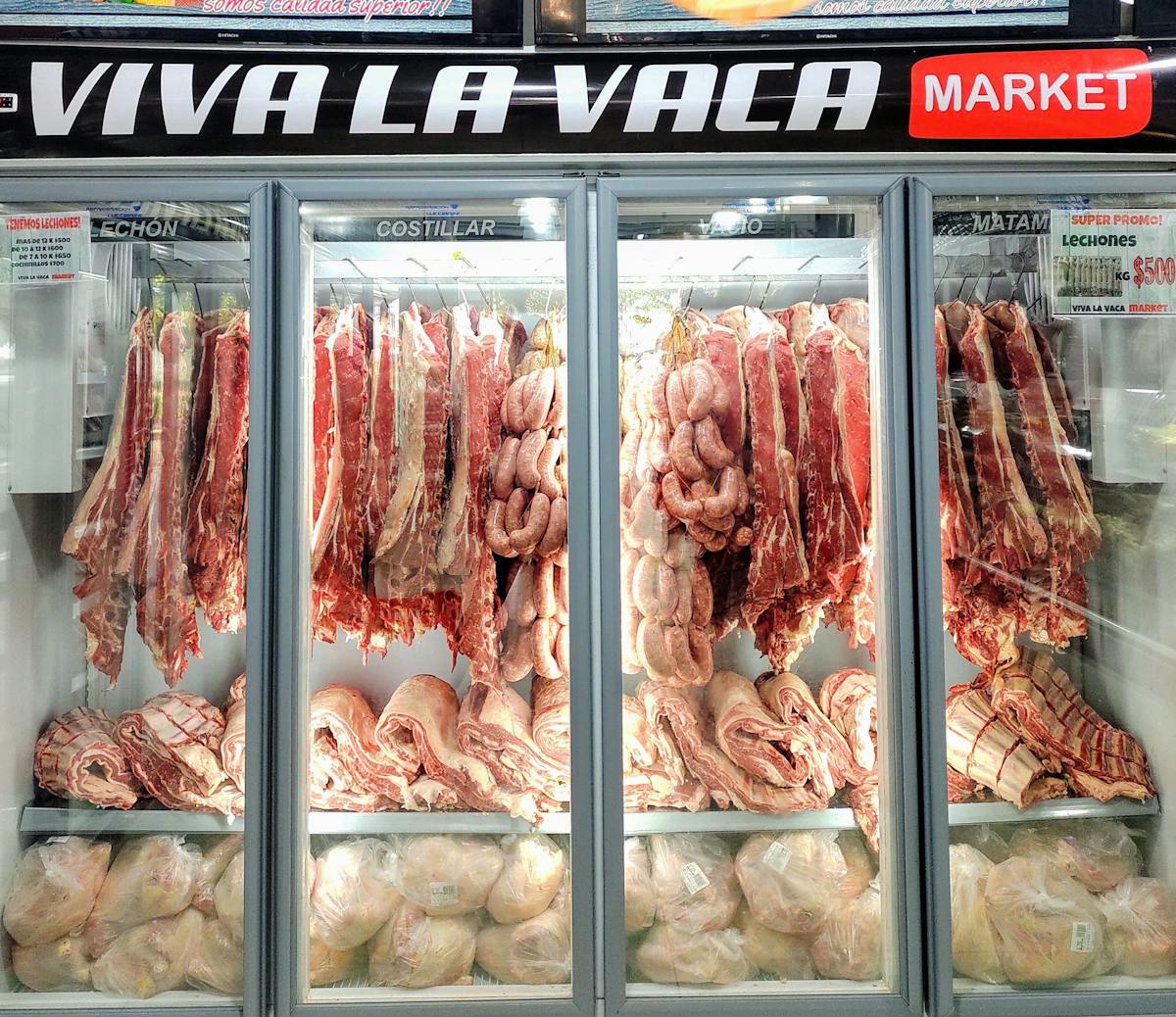
Cold meat thrown straight onto a hot grill often cooks unevenly. The surface tightens quickly, the middle lags behind, and the final result can be a piece of meat that looks done on the outside but feels underwhelming on the inside. This mistake is especially harsh on thick steaks, pork chops, chicken thighs, and bone-in cuts because the center needs more time to catch up.
We do not need to leave meat sitting out for hours. Thin burgers, chicken breasts, and smaller cuts usually benefit from a short rest at room temperature before grilling, while thicker cuts need a little longer. The goal is not to warm the meat completely, but to take off the refrigerator chill so heat moves through it more evenly.
Skipping the Grill Preheat
A grill that has not been properly preheated behaves like a weak oven with metal bars. Meat sticks, moisture leaks, and the surface struggles to develop the deep brown crust that makes grilled food taste bold. Without enough heat at the start, we often end up cooking meat longer than necessary, which dries it out before it ever gets a proper sear.
Preheating gives the grates time to get hot enough to mark, release, and brown the meat. Gas grills need time with the lid closed, and charcoal grills need coals that are hot, glowing, and lightly ashed over. When we rush this step, we lose one of the biggest advantages of grilling.
Cooking on Dirty Grill Grates
Dirty grates do more than look bad. Old grease, burnt sauce, carbon flakes, and leftover food particles can cling to fresh meat, creating harsh, bitter flavors. They also cause sticking, which tears delicate surfaces and ruins the crust we worked hard to build.
Clean grates help food release more easily and taste fresher. The best time to brush the grates is after the grill heats up because heat loosens old residue. A quick scrape before the meat goes down can make the difference between clean grill marks and shredded chicken skin.
Forgetting to Oil the Meat Instead of Drowning the Grates
Many grillers pour or spray too much oil directly onto the grates, then wonder why flames jump up and scorch the food. Excess oil drips into the fire, feeds flare-ups, and creates greasy smoke that can make meat taste heavy. A slick grate does not fix poor heat control or dirty metal.
A better approach is to lightly oil the meat itself. A thin coating helps seasoning stick, improves browning, and reduces surface dryness without turning the grill into a fire show. We want enough oil to support the crust, not enough to fuel the flames.
Using Only One Heat Zone
newCooking everything over direct high heat is one of the fastest ways to ruin good meat. Thin hot dogs and small burger patties can handle direct heat, but thicker cuts need more control. Chicken thighs, ribs, sausages, pork chops, and larger steaks often burn on the outside before they finish on the inside.
A two-zone grill setup gives us control. One side provides direct heat for searing, while the cooler side finishes the meat gently. This setup also gives us a safe place to move food when flames rise or when a cut needs more time without more charring.
Crowding the Grill Until the Meat Steams
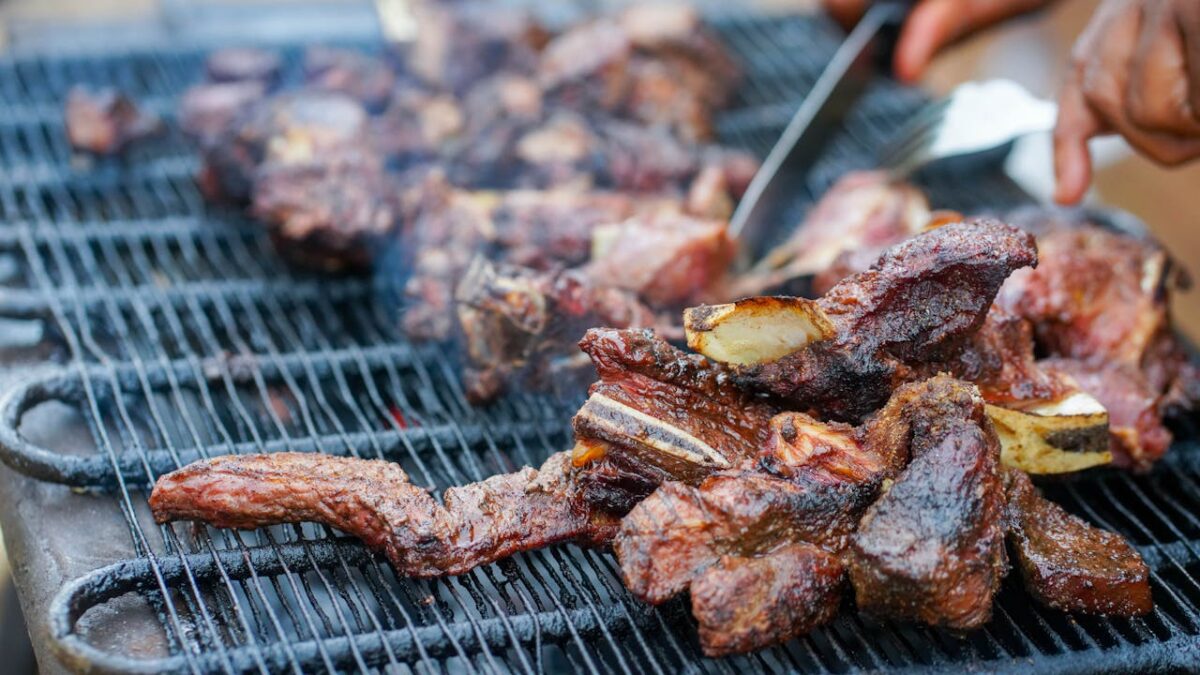
A packed grill looks impressive for a few seconds, then the problems begin. Meat releases moisture as it cooks, and when pieces sit too close together, that moisture turns into trapped steam. Instead of browning, the meat softens, sweats, and loses the grilled texture people expect.
Space matters. Leaving room between pieces allows hot air to move, smoke to circulate, and surfaces to brown properly. Cooking in batches may feel slower, but it usually yields better meat than cooking everything at once.
Pressing Burgers With a Spatula
That loud sizzle from a pressed burger may sound satisfying, but it is usually the sound of juice leaving the meat. Every hard press squeezes fat and moisture into the fire. The burger may look dramatic in the moment, but it often ends up dry, dense, and disappointing.
Regular grilled burgers should be shaped, seasoned, placed on the grill, flipped when ready, and left alone. Smash burgers are different because they are pressed once at the start on a very hot surface to create a thin, crusty patty. For backyard grilled burgers, repeated pressing is a shortcut to dry meat.
Flipping Meat at the Wrong Time
Flipping too soon can tear the crust before it forms. Flipping too late can result in uneven cooking and a thick, gray band near the surface. The old idea that meat must be flipped only once is too rigid for most backyard grilling because different cuts, grill temperatures, and thicknesses need different handling.
A good crust usually releases from the grate when it is ready. For steaks and chops, controlled flipping every few minutes can help both sides cook evenly. For delicate fish or skin-on chicken, patience matters even more, as forced flipping can damage the surface.
Guessing Doneness Without a Thermometer
Guessing doneness is one of the most expensive grilling habits. Color can fool us, juices can mislead us, and touch tests vary from person to person. A steak can look perfect and still be overcooked, while a burger can look browned on the outside and still be unsafe inside.
A reliable instant-read thermometer protects both flavor and safety. Whole cuts like beef, pork, lamb, and veal are cooked to a different safe temperature than ground meat, and poultry needs a higher internal temperature. When we measure rather than guess, we stop sacrificing good meat to pride.
Adding Barbecue Sauce Too Early
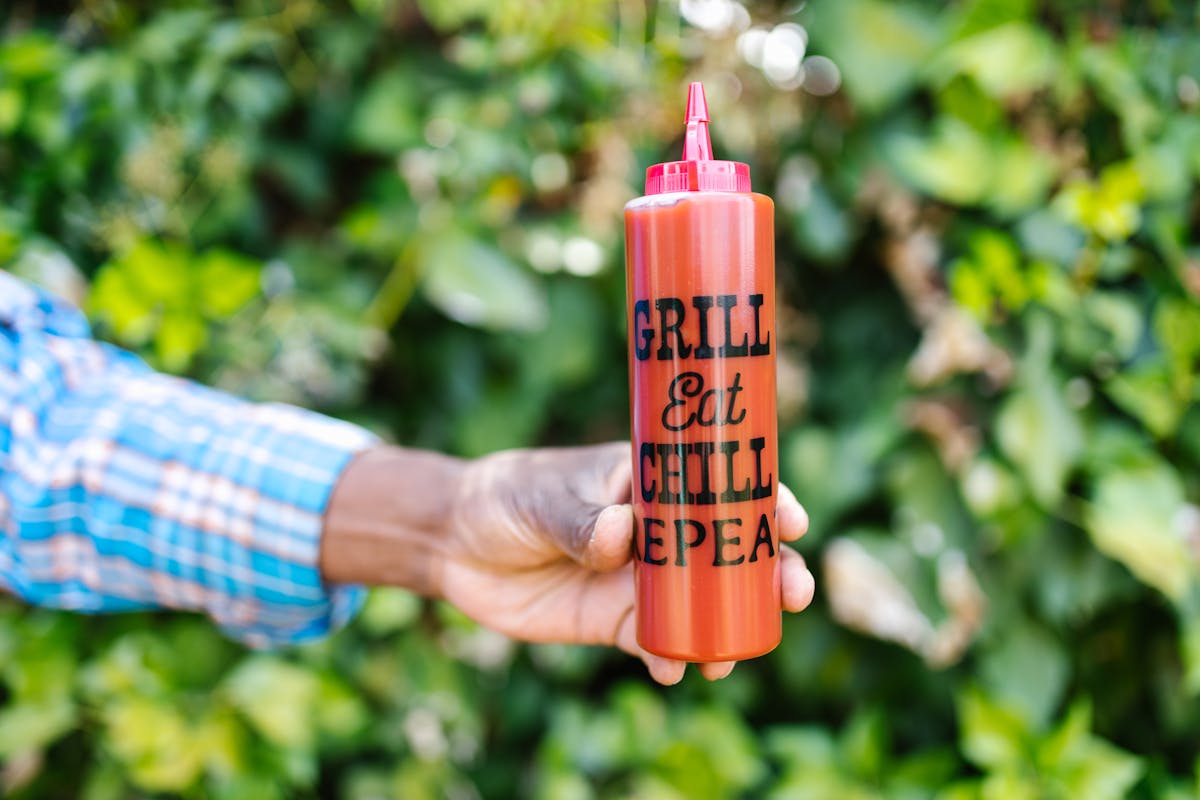
Sweet barbecue sauce can turn from glossy to burnt very quickly. Most sauces contain sugar, honey, molasses, or fruit-based ingredients that scorch over high heat. When the sauce goes on too early, the meat can end up with a bitter black coating instead of a sticky, flavorful glaze.
Sauce works best near the end of cooking. We can build flavor first with salt, spices, smoke, and controlled heat, then brush on the sauce during the final minutes so it sets without burning. This creates shine, sweetness, and caramelization without turning the outside into charred candy.
Conclusion
Grilling mistakes usually happen because we rush the simple steps. We skip the preheat, crowd the grate, press the burgers, guess the doneness, sauce too early, slice too soon, and then blame the meat. Good meat deserves better than that.
When we control heat, give food enough space, season with confidence, use a thermometer, and let cooked meat rest, the grill stops feeling unpredictable. The result is juicier steak, safer chicken, better burgers, cleaner smoke flavor, and a cookout that tastes like someone truly knew what they were doing.