8 foods you should never cook in an air fryer
Air fryers can make dinner feel like a small kitchen miracle. Fries come out crisp, chicken gets golden, and yesterday’s pizza suddenly tastes like it deserves a second chance. That magic can make people a little too brave.
The truth is simple. An air fryer does not love every food back. Some ingredients dry out, fly around, melt into the basket, or create smoke, turning a quick snack into a full kitchen rescue mission.
These are the 10 foods we should keep out of the air fryer.
Loose shredded cheese

Shredded cheese looks harmless until the fan sends it flying. Instead of melting neatly onto a burger or sandwich, the cheese can scatter across the basket, fall through the grate, and burn at the bottom. Once that happens, the smell can ruin the whole meal before the first bite.
A slice of cheese works better because it has enough weight to stay in place. Another smart move is to place the cheese on hot food after cooking, then close the air fryer for a few seconds to let the leftover heat soften it. The goal is melted cheese, not crispy cheese confetti stuck to the drawer.
Popcorn kernels
Popcorn in an air fryer feels like a clever hack until the kernels start acting like tiny troublemakers. Many air fryers don’t reach the steady, intense heat popcorn needs, so the kernels may sit there refusing to pop. The few that do pop can jump toward the fan or the heating element, creating a smoky mess.
This is one of those ideas that sounds better online than it works in real life. A microwave, stovetop pot, or popcorn maker handles kernels much better because those tools keep the corn contained. The air fryer should crisp food, not turn movie night into an appliance hazard.
Raw rice and uncooked grains
Raw rice needs water, patience, and steady heat. An air fryer delivers dry, fast, circulating heat, so the rice can toast on the outside while staying hard inside. The same problem happens with quinoa, barley, farro, and other uncooked grains.
Cooked rice can work well in an air fryer when we want to refresh leftovers or make a quick fried rice-style dish. Raw grains need a rice cooker, a saucepan, or a pressure cooker because these tools help the grains absorb moisture. The air fryer can finish rice, but it cannot properly cook it from scratch.
Leafy greens

Spinach, lettuce, arugula, and loose kale leaves do not have enough weight to keep the air fryer’s fan running. The leaves can lift, curl, scorch, and turn bitter before they cook properly. Instead of a fresh vegetable side, we may end up with burnt flakes that taste like regret.
Kale chips can work, but only with careful handling. The leaves need a light oil coating, a single layer, and a lower temperature. Most leafy greens still belong in a skillet, a steamer, soup, or a salad bowl because they cook quickly without needing the air fryer’s dramatic hot-air treatment.
Skinless white fish
Skinless white fish can dry out fast in an air fryer. Cod, tilapia, sole, haddock, and similar fillets have little fat, so the hot air pulls moisture away quickly. The outside may look done while the inside tastes tough, bland, or cottony.
Coated fish performs much better because breadcrumbs protect the delicate flesh. Skin on salmon also works well because the fat helps keep the fish moist. If we have a plain, thin, skinless fillet, a skillet or an oven at a gentle heat gives a better result.
Large whole chickens
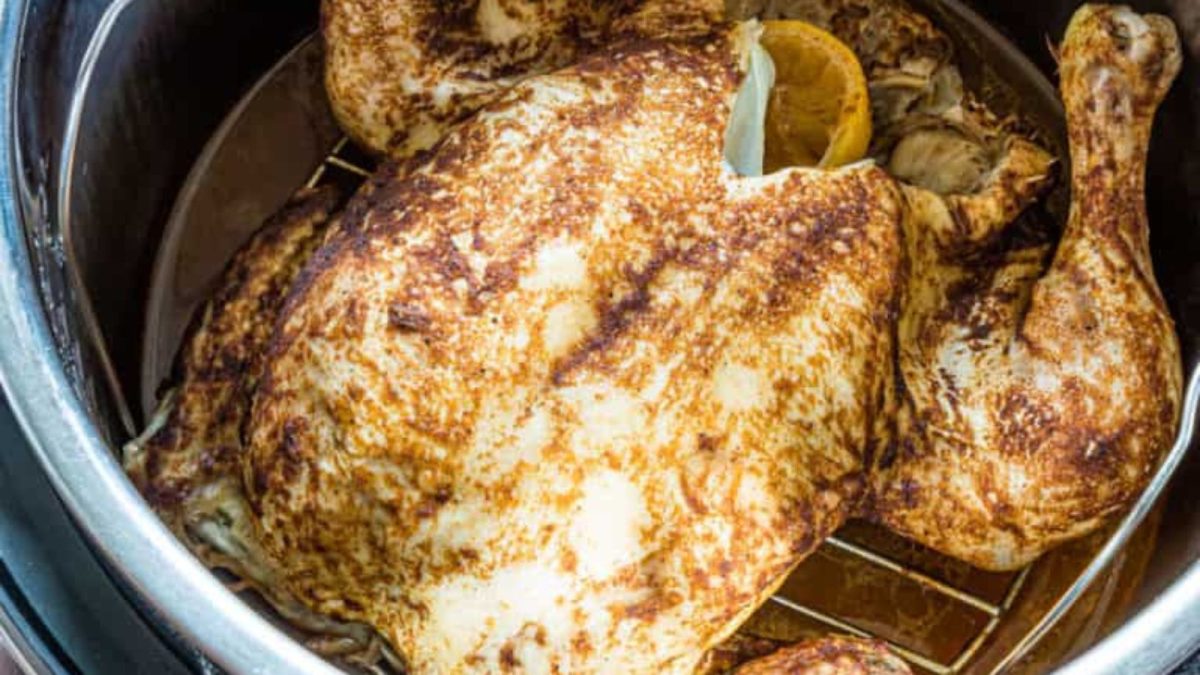
A small whole chicken can turn golden and juicy in the right air fryer. A large whole chicken is another story. It can block airflow, sit too close to the heating element, and cook unevenly, creating a risky mix of browned skin and undercooked, thick sections.
Air fryers need open space around food to work properly. When a whole bird fills the basket, the machine cannot circulate heat the way it should. Chicken pieces, thighs, wings, drumsticks, or a smaller bird give us better browning and safer cooking.
Saucy foods
Air fryers don’t handle loose sauces well. Barbecue sauce, marinara, gravy, curry sauce, and sticky glazes can drip, splatter, and burn before the food finishes cooking. Sugary sauces are especially risky because they darken quickly and leave bitter patches behind.
The smarter method is to cook the food first, then add the sauce near the end. Wings can crisp before a sauce toss, meatballs can brown before meeting marinara, and vegetables can roast before getting dressed. The air fryer loves dry surfaces, not bubbling sauce puddles.
Thin flatbreads

Thin flatbreads can become flying sheets inside an air fryer. Tortillas, pappadums, rice paper, and very light wraps may lift into the heating area, curl at the edges, or burn unevenly. What starts as a quick warming trick can turn smoky in seconds.
A skillet gives better control for thin breads. It keeps them flat, warms them evenly, and lets us watch every second. If we want to use the air fryer for something bread-based, a filled quesadilla, garlic bread, or a thicker sandwich works better because the food has enough weight to stay put.
Conclusion
The air fryer works best with sturdy foods that can withstand rapid, dry heat. Potatoes, chicken pieces, vegetables, frozen snacks, tofu, meatballs, and reheated pizza all make sense because they have structure and surface area. The worst foods usually share one problem. They are too wet, too light, too delicate, too large, or built for another cooking method.
A good air fryer meal starts before the basket closes. We should ask whether the food needs water, a deep pool of oil, gentle heat, or a flat cooking surface. If the answer is yes, another appliance will probably do the job better. The air fryer shines when we stop treating it like a magic box and start treating it like the crisping machine it really is.