10 Sneaky Grocery Store Scams That Are Easy To Fall For
Grocery shopping should feel simple. We make a list, grab what the household needs, compare a few prices, and leave. Yet the modern supermarket is built around tiny decisions that happen quickly, often while prices are changing, packages are shrinking, promotions are flashing, and the cart is already half full.
The result is not always an obvious rip-off. It is usually something quieter: a bigger bill that feels normal until we check the receipt, compare the unit price, or notice that the “family size” box no longer lasts the week.
That matters more now because food remains one of the expenses Americans feel every single day. Small pricing tricks hit harder when families are already trying to stretch meat, produce, snacks, cereal, and household basics. That is why knowing the sneaky traps inside grocery stores can protect more than a few dollars. It can change how we shop altogether.
The “Sale” Price That Was Never a Real Deal

A sale tag feels like a shortcut. It tells us the store already did the thinking, and all we need to do is grab the item before the deal disappears. That is exactly why sale tags are so powerful. A bright label can make an ordinary price look urgent, even when the discount is tiny, temporary, or based on a higher regular price that shoppers do not remember.
The smarter move is to judge the deal against the product’s usual price, the unit price, and nearby substitutes. A cereal marked “2 for $7” may still cost more per ounce than the store brand sitting one shelf below. A “buy one, get one 50% off” offer may only save money if we actually need two. We should treat sale tags as invitations to compare, not proof that the store is helping us win.
Loyalty Card Discounts That Train Us to Stop Comparing
Loyalty cards can save money, but they can also make shoppers loyal to prices that are not truly competitive. When a store locks the “deal” behind a membership card or app, it creates the feeling that we are beating the system. In reality, the discounted price may still be higher than a competitor’s regular price, especially on pantry staples, cleaning supplies, snacks, and personal-care items.
The bigger risk is psychological. Once we see the loyalty discount, we may stop comparing because the price already feels special. We should use loyalty programs as tools, not as proof of value. If the discount requires buying more than we need, downloading coupons we did not plan to use, or switching to a higher-priced brand, the store may be guiding the basket more than helping the budget.
Digital Coupons That Quietly Fail at Checkout
Digital coupons are convenient until they do not apply. A shopper may clip the coupon, pick the product, reach the register, and still miss the discount because the size, flavor, quantity, account, barcode, or expiration window did not match.
By then, the line is moving, the receipt is long, and many people do not want to hold everyone up over one or two dollars. That hesitation is exactly where money leaks out. We should check the coupon terms before placing the item in the cart and review the receipt before leaving the store.
If a discount fails, customer service can often fix it immediately. A coupon that only works after we buy three, choose a specific flavor, or scan through the store app is not simple savings. It is a small test of attention.
End-Cap Displays That Pretend to Be Bargain Zones
The end cap is prime grocery-store real estate. These displays sit at the ends of aisles where shoppers naturally turn, pause, and look. Many people assume products placed there are on sale or specially priced. Sometimes they are.
Other times, they are simply promoted products that manufacturers or stores want customers to notice. The problem is that placement can feel like proof. A stack of pasta sauce at the end of the aisle may look like a deal, but the same category inside the aisle may have cheaper options.
Confusing Unit Prices That Make Comparison Harder

Unit pricing should help shoppers, but it can become confusing when one product is priced per ounce, another per pound, and another per count. That confusion gives expensive products a chance to look cheaper than they are.
A big bottle of juice may seem like the better deal until its unit price reveals that the smaller bottle costs less per ounce. A multipack may look economical until the per-count price tells another story.
The danger is greatest in aisles with coffee, paper towels, cereal, detergent, pet food, yogurt, meat, and snacks. These products often come in multiple sizes, shapes, and formats. We should slow down wherever the shelf looks crowded with similar items. If the unit price is missing, tiny, inconsistent, or hard to read, the calculator on a phone can save more money than the sale sign above the shelf.
Meat Packages That Hide the Real Cost Behind Big Stickers
Meat is one of the easiest places to overspend because the package price grabs attention before the per-pound price does. A steak package marked $11.84 may feel manageable, but the real question is how much it costs per pound compared with similar cuts nearby.
Stores also use family packs, butcher’s specials, manager’s markdowns, and value packs to create urgency. The risk grows when shoppers are tired, hungry, or rushing to plan dinner. A package that looks cheap may simply be smaller.
A bulk pack may cost less per pound, but only if the household uses or properly freezes it. We should compare cuts, package weights, markdown dates, and frozen alternatives before assuming the promoted meat is the best deal.
Shrinkflation Hiding Inside Familiar Packaging
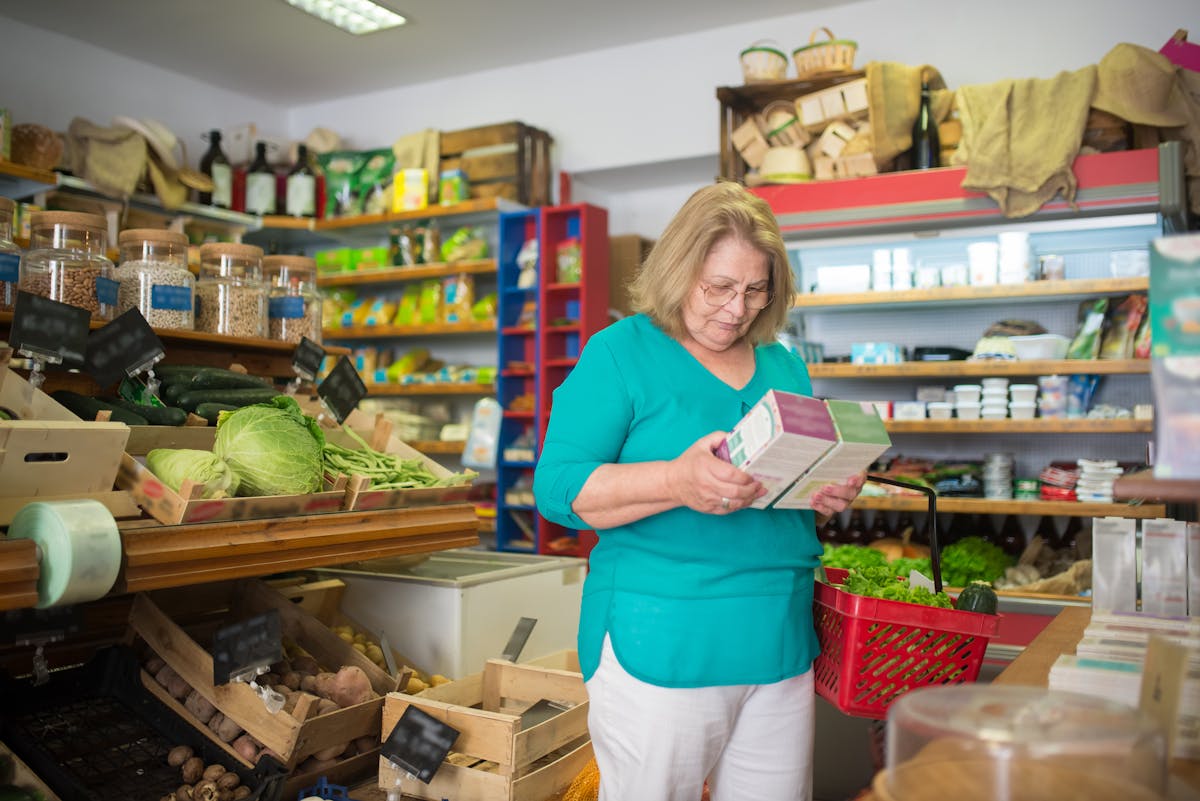
Shrinkflation is one of the sneakiest grocery store tricks because the package looks familiar. The chips bag still has the same colors. The cereal box still has the same mascot. The coffee canister still sits in the same spot.
Then we get home and realize the product runs out faster because the package quietly dropped from 16 ounces to 14.5, or the roll count changed, or the “new easy-pour design” came with less product inside.
This matters because shoppers often remember price better than package weight. If the price stays the same while the quantity decreases, the real cost has gone up. We should look at ounces, pounds, sheets, servings, and count before trusting the front of the package.
Check out Pricing Errors That Shoppers Miss Because They Are Rushed
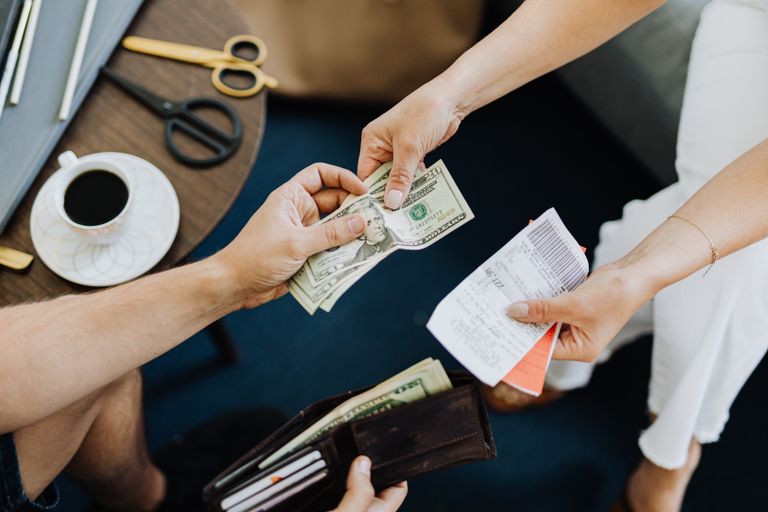
Checkout is where many small grocery losses become final. A sale item rings up at full price. A coupon does not apply. A weighed item uses the wrong code. A clearance sticker is missing. A “2 for” deal charges incorrectly because only one qualifying item was scanned. The problem is not always intentional, but the financial effect is the same if we do not catch it.
The best defense is simple: watch the screen and scan the receipt before leaving. This habit matters most after buying sale items, digital coupon items, markdown meat, bakery clearance, produce, and multi-buy promotions. A long receipt can feel annoying, but it is also the only proof we have.
The “Buy More to Save More” Trap
Multi-buy deals are everywhere because they make shoppers feel practical. “Buy 5, save $5” sounds smart. “10 for $10” sounds harmless. “Spend $75, get $10 off” feels like a reward. Yet these offers can push us to buy items we did not need, choose processed foods over fresh options, or exceed the grocery budget to unlock a discount.
The math only works when the extra items fit the household’s real needs. If we buy five jars of sauce and use them over time, that can be a smart move. If we buy snacks, drinks, frozen treats, or duplicate pantry items just to trigger a promotion, the store has expanded the basket. We should ask one question before every multi-buy deal: would this still be in the cart without the promotion?
Produce Pricing That Switches Between Each, Pound, and Bag

Produce departments can be deceptively tricky because pricing formats change quickly. Apples may be priced per pound. Avocados may be priced individually. Grapes may be sold by weight. Bagged oranges may have a single total price, while nearby loose oranges use a per-pound price.
A shopper who does not notice the format can easily end up paying more than expected. This is especially important when fresh food prices feel unstable. Produce can look affordable on the sign, then surprise us at checkout because the final cost depends on weight.
We should check whether the sign says “each,” “per lb,” or “per bag,” and we should weigh loose produce before reaching the register. A few seconds at the scale can prevent the classic grocery-store shock of paying far more than expected for grapes, cherries, apples, or peppers.
Conclusion
Grocery prices do not hurt only because they rise. They hurt because they rise inside a shopping environment designed to make extra spending feel normal. A few dollars are lost on a larger package that is not cheaper. A few more vanished through a coupon that did not apply. Another few slip away through produce priced by weight, meat sold under a flashy sticker, or a snack display placed exactly where tired shoppers slow down.
The strongest shoppers are not the ones who avoid every treat. They are the ones who know when the store is steering them. We can still buy the good coffee, the nicer pasta sauce, the fresh berries, or the bakery bread. We should just buy them with open eyes.