Before Avocado Toast, New England Had Johnnycakes and Locals Still Argue Over Every Bite
A breakfast food doesn’t need a towering stack, a dramatic topping, or a clever rebrand to earn a permanent place at the table. Sometimes, cornmeal and a hot griddle do the job. In Rhode Island, johnnycakes have a history that reaches back beyond European colonization, with Indigenous people preparing cornmeal patties long before the dish became a regional signature. Today, the tradition includes rival recipes, historic mills and strong opinions about what belongs on top.
That helps explain why these New England favorites have endured: they’re more than breakfast. Their story connects Indigenous food traditions, local grain production, and cooking techniques that people have continued to teach and practice. They can be thick and substantial or thin with lacy edges, depending on whose recipe you follow. And while butter generally gets a warm welcome, maple syrup can put you on the wrong side of a very particular breakfast argument.
A Breakfast Tradition With Roots Deeper Than the Name
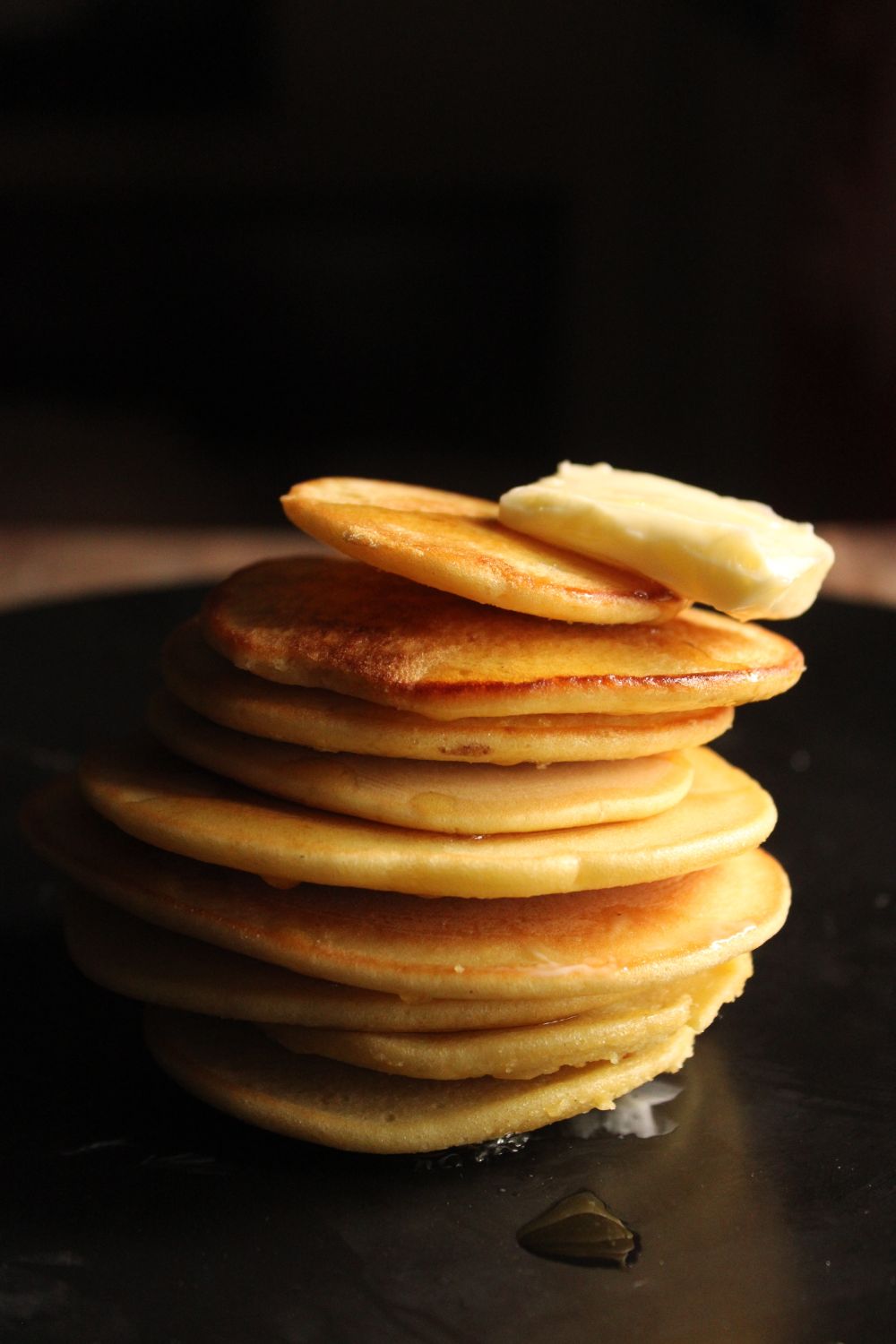
Despite the familiar name,the origin of “johnnycake” is not neatly settled. Rhode Tour’s history of Kenyon’s Grist Mill explains that “journey cake,” a reference to portability and durability, is one proposed source; Indigenous or African linguistic origins are other possibilities. What is clearer is that Indigenous people prepared pancake-like cornmeal patties for generations before European colonization. Calling johnnycakes simply a colonial invention would leave out the people whose food traditions preceded that chapter.
The basic preparation is refreshingly direct: cornmeal, salt, and hot water or milk, sometimes with a little sugar or honey, cooked on a flat surface. Kenyon’s traditional South County recipe calls for white cornmeal, sugar, salt, and boiling water, with no eggs, wheat flour, or baking powder listed. Its Newport version replaces the water with milk and changes the proportions. The ingredient list is short, but the differences are enough to produce two distinctly different cakes.
The cornmeal also connects the dish to a specific place and its producers. In her reporting for Yankee, Aimee Tucker visited Rhode Island’s Samuel E. Perry Grist Mill and learned to make johnnycakes with mill operators Bob and Diane Smith. Their meal was made from Rhode Island flint corn, and Tucker described the finished cakes as slightly nutty, pleasantly coarse and crisp outside, with a slightly chewy center. This is not merely a familiar pancake wearing a different name; the corn and texture are central to the experience.
Thick or Thin? Rhode Island Takes This Personally
Here, a simple cornmeal cake develops a surprisingly complicated social life. South County-style johnnycakes are thick and made with boiling water, while Newport County-style cakes are thin and made with cold milk. Writing in Yankee, editor Ian Aldrich noted that debates over those methods “have even reached the Rhode Island legislature.” That is an impressive amount of civic attention for something that begins with a bowl of meal.
The distinction is practical, not just geographical pride. Kenyon’s South County instructions call for gradually adding boiling water until the batter will drop from a spoon, then cooking the cakes for roughly six minutes on the first side and another five to six after turning. Its Newport recipe uses a looser milk-based mixture and cooks for about three to four minutes per side, until the edges become lacy and brown. One aims for a thicker cake; the other spreads into a thinner, crisp-edged version.
Then comes the topping question, which is apparently not an invitation to relax. During Tucker’s cooking lesson, Bob and Diane Smith told her, “Never maple syrup!” They preferred butter, though savory toppings such as creamed cod or chipped beef were acceptable for lunch or dinner. Kenyon’s recipes reflect the same regional split: South County cakes traditionally get butter, while Newport-style cakes are served with butter and maple syrup.
These disagreements reveal something useful about the dish’s endurance. “Traditional” does not mean that every cook has followed one universally accepted formula. Instead, published recipes preserve several recognizable versions, with differences in liquid, thickness, cooking time, and serving style. The tradition allows variation without losing the cornmeal foundation that makes a johnnycake a johnnycake.
Related: 12 Easy Dinner Ideas for Nights When You Don’t Feel Like Cooking
The Mills and the Menu Possibilities Keep the Story Going
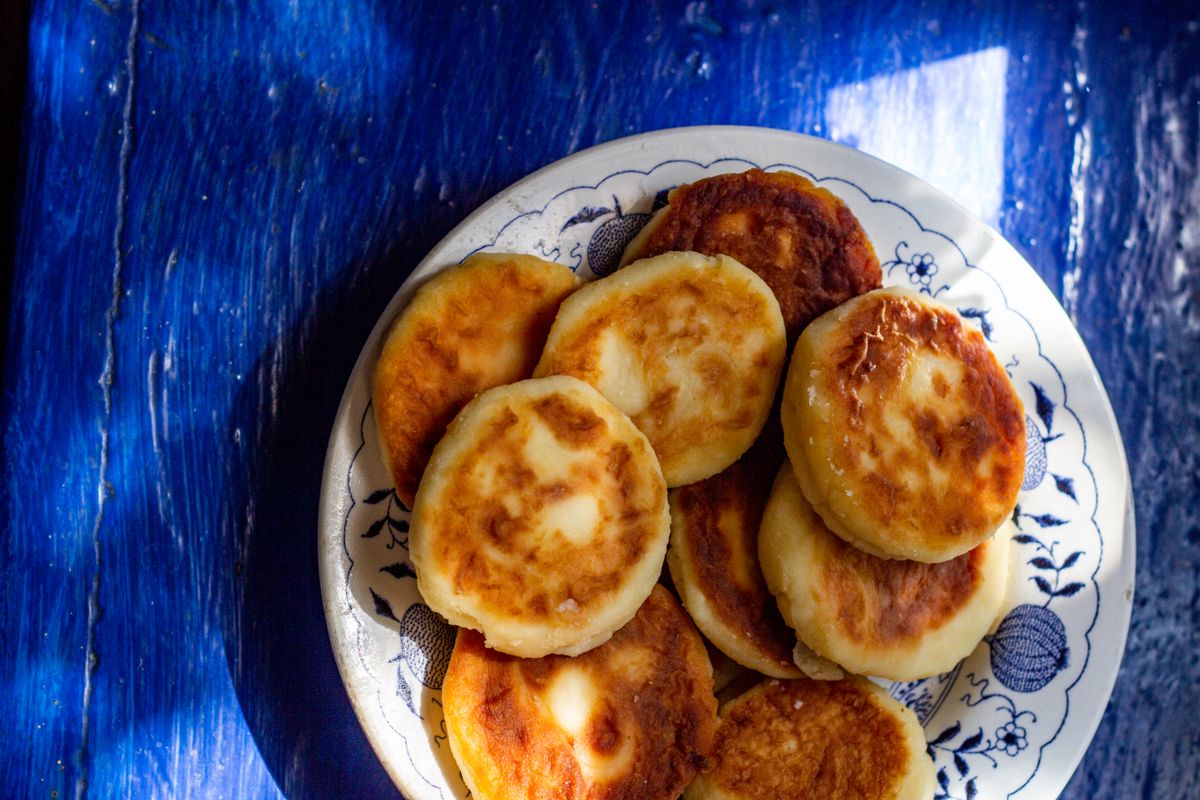
Behind the griddle is another essential part of the story: people continuing to produce the meal. Rhode Tour traces grain grinding at the Kenyon’s Grist Mill site in Usquepaugh to 1696 and dates the mill building to 1886. C.D. Kenyon bought the business in 1909, and the operation expanded beyond grinding farmers’ grain to selling branded sacks of meal. That gave a locally rooted ingredient a way to reach customers beyond an individual farm kitchen.
The tradition also became something people gathered to celebrate. According to Rhode Tour, Kenyon’s hosted Johnny Cake Festivals between 1973 and 2014, drawing thousands of visitors for local vendors, music, mill tours, and food. Those dates matter: this is a documented part of the dish’s history, not a claim that the same festival still runs today. It shows how making and eating johnnycakes extended beyond the breakfast plate into a shared community event.
Their versatility offers another reason they need not be trapped in the breakfast category. Kenyon’s suggests serving johnnycakes instead of potatoes, beneath lobster Newburg or creamed cod, or in place of dumplings in a stew. Its published variations also include pumpkin cakes credited to the Station House Restaurant in Kingston/South Kingstown, with pumpkin purée, cinnamon and allspice added to the batter. Reinvention, it turns out, can happen without abandoning the griddle.
The strongest explanation for johnnycakes’ longevity is continuity, not a claim that they have outsold every fashionable breakfast. The documented story follows people preserving the meal, teaching the technique, publishing their versions, and finding different occasions to serve the result. A johnnycake can carry local history while still being something useful to cook and enjoyable to eat. Just establish whether you are in a butter-only household before reaching for the syrup.