5 Habits That Make Kitchen Cleanup Easier
Every night, it’s the same routine: the last bite of a great meal is barely gone, and the real heavyweight champion of the kitchen steps up the mountain of dishes. I once spent more time scrubbing pots and pans than it took to actually cook and enjoy dinner, wondering where the evening went.
According to the U.S. Bureau of Labor Statistics’ American Time Use Survey, food preparation and cleanup are core components of daily household management, where people age 15 and older spend a significant portion of their routine.
Start by giving the mess a few clear checkpoints: wash equipment between preparation tasks, let your dishwasher handle its share, and match your approach to your cookware. These simple habits offer a practical routine to keep the kitchen under control without the late-night scrub session.
Scrape before you load
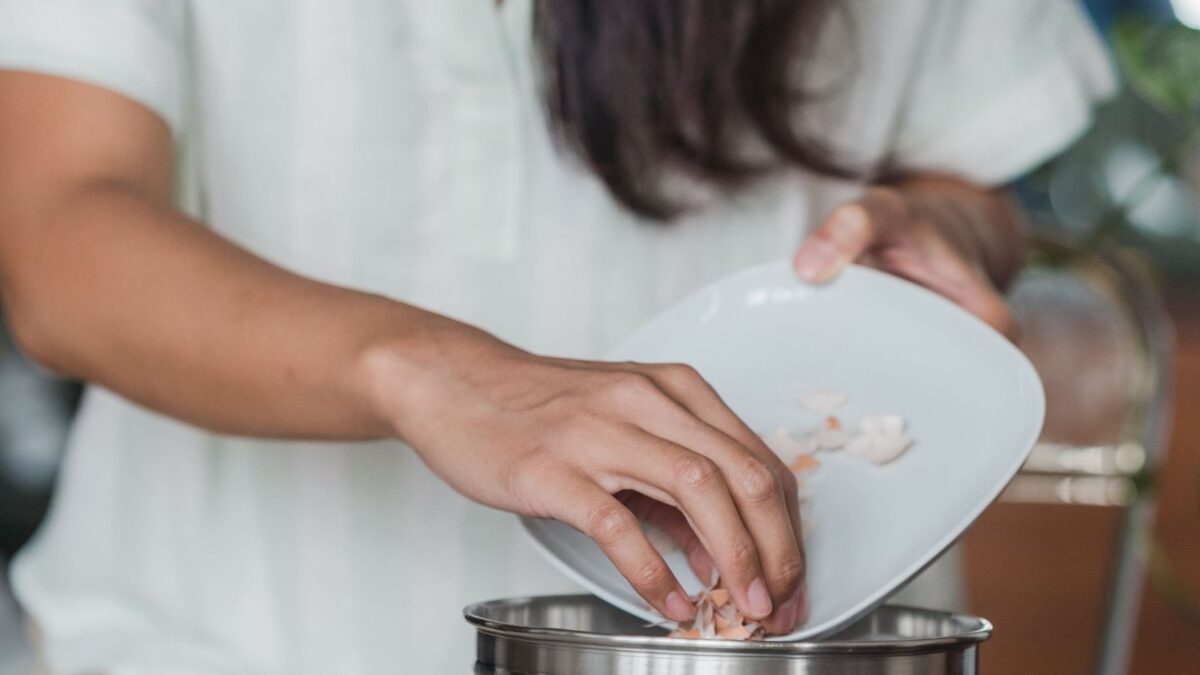
Modern certified machines and today’s powerful detergents easily handle the real cleaning once you clear off the leftover food. Simply scrape each plate thoroughly, then place it directly onto the rack instead of automatically running it under a separate stream of water.
Run full loads whenever possible, exactly as the recommended settings suggest. Keeping this daily habit quick, simple, and painless makes after-dinner cleanup completely effortless every single evening. Skip that extra preparation step right now and let your appliance finish the job.
Clean between prep tasks
Give each preparation task a clear finish line. The Centers for Disease Control and Prevention recommends washing utensils, cutting boards, and countertops with hot, soapy water after preparing each food item to prevent cross-contamination. Finish an ingredient, clean the tools and surface, then move along.
That sequence gives cleanup a place in your cooking routine. You still have work to do, but you tackle it in smaller rounds. Think of each transition as a reset for the next task. The honest verdict: this habit moves some washing into meal preparation instead of leaving every dirty tool waiting until after dinner.
Soak suitable pans gently
Give that stubborn pan a careful check before you grab another scrub. Always read your specific cookware instructions first to protect your favorite kitchen investment. Let the manufacturer’s exact directions guide your routine cleaning method instead of guessing.
Match your care treatment directly to the material type to keep surfaces spotless and shining bright. Proper upkeep ensures your everyday meals taste better and cook evenly every single time. Simple maintenance steps protect your cookware from unnecessary wear while saving you time at the sink. Enjoy cooking delicious homemade dishes with reliable pans that always perform at their absolute best.
Relatable: 8 Kitchen Sponge Mistakes That Can Make Cleaning Less Hygienic
Clear crumbs before wiping
Start with the loose bits before reaching for the wet cloth. The University of Minnesota Extension’s food safety cleaning guide, authored by educator Amy Johnston, refers to the removal of physical debris, crumbs, and loose soil using scrapers, brushes, or dry cloths as the “dry cleaning” stage.
Brush or wipe crumbs into the trash, then wash the surface with soap or detergent and water. Keep those steps in that order. If the surface also needs sanitizing, clean it first and follow the sanitizer’s label instructions. Choose a product intended for food-contact surfaces. The verdict: clear debris, then tackle the wipe-down.
Give dishes breathing room
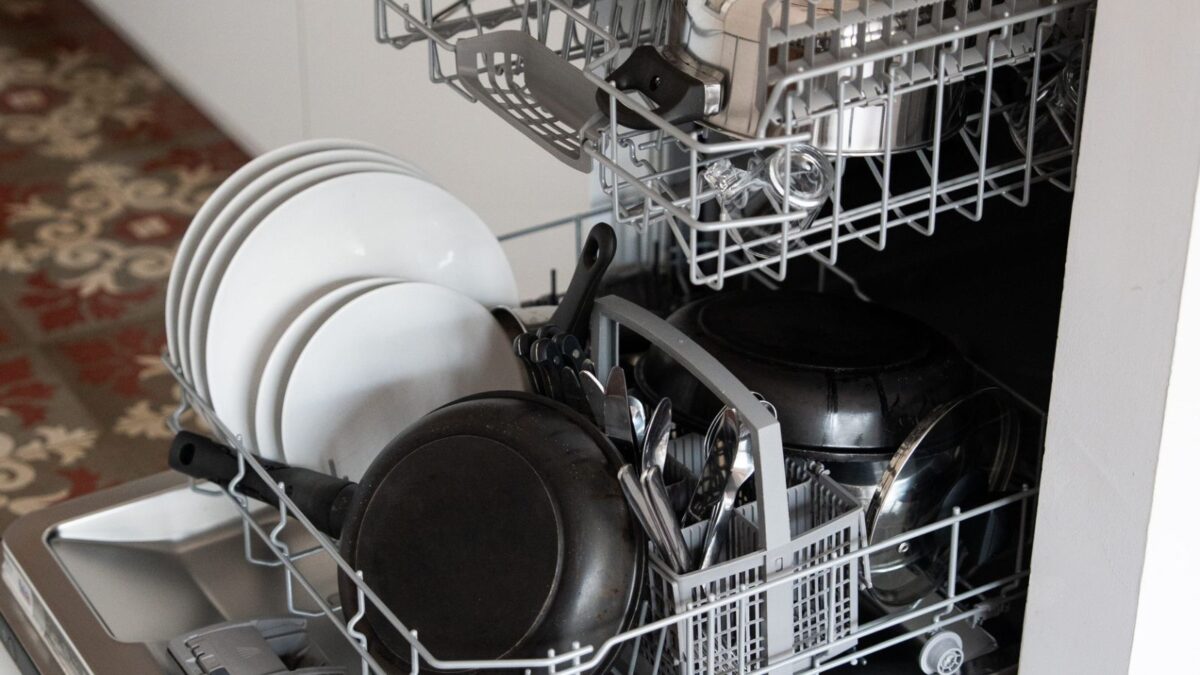
Loading a dishwasher works best when you view it as a fast setup step instead of a puzzle to cram every gap. Dishes need breathing room so water can reach every corner, which means aiming for clear access first and maximum capacity second. Turn every dirty surface downward and inward toward the spinning spray arms so the streams wash away grease directly.
Before you push start, give the arms a quick spin by hand to confirm nothing tall catches or blocks their movement. Small tweaks like angling cups and spacing large plates let water circulate smoothly across all surfaces. Master this simple rhythm, and every single load comes out sparkling clean on the first try.