9 Hidden Abuses in Relationships Society Pretends Are Normal
Love should bring security, respect, and mutual care, yet many people have been taught to accept discomfort as proof of commitment. Jealousy masquerades as passion, control is framed as care, and emotional exhaustion becomes loyalty.
These unhealthy patterns hide in family advice, social media trends, and romance narratives, making harmful behaviors seem normal and even desirable in the eyes of society.
The danger is subtle. Harmful behaviors often appear ordinary because they are repeated and reinforced over time. A relationship may look perfect from the outside while slowly eroding confidence, freedom, and emotional safety on the inside.
Recognizing the toxic patterns society normalizes is crucial for building connections that actually nurture both partners.
Mistaking Jealousy for Love

Jealousy is often romanticized as a sign of deep care, but persistent suspicion is control, not affection. When a partner questions every interaction, monitors friendships, or interprets harmless behavior as betrayal, love begins to feel restrictive and anxious. This constant scrutiny can shrink social networks and limit personal freedom.
Society excuses jealousy with phrases like, “They only care because they love you,” but this logic teaches dependence and fear rather than trust.
A healthy partner may feel insecure occasionally, but does not punish independence. True love allows for connection without creating a cage around a partner’s life.
Treating Constant Texting as Proof of Commitment
In modern relationships, instant access has become a false measure of devotion. Delayed replies are often misread as disrespect, while periods of personal focus are interpreted as rejection. The obsession with constant messaging turns natural autonomy into a source of guilt and anxiety.
Availability does not equate to emotional presence. A partner can demonstrate care without requiring nonstop updates or monitoring every movement. Healthy communication thrives on trust and space, allowing both individuals to live full lives without fear of reprisal for brief moments apart.
Calling Control “Protection”
Control often wears the mask of care. Decisions about clothing, friends, finances, and personal dreams are justified under the guise of protection. Yet protection that limits choice or silences self-expression is toxic.
Advice and concern are normal, but ownership over another person is not. True care supports autonomy and encourages personal growth, rather than imposing rules that limit independence. Relationships should feel safe, not like a supervised life under constant evaluation.
Using Silent Treatment as Emotional Punishment

Silence becomes toxic when it is deployed to punish or manipulate. Withdrawal of attention after a disagreement teaches guilt and fear rather than fostering understanding. Emotional absence as punishment undermines self-esteem and creates long-term anxiety within a relationship.
Pausing to process emotions is different from withholding connection. Healthy couples use space for reflection, not to weaponize feelings. Silence should restore balance, not control behavior through fear.
Turning Privacy Into Suspicion
Full transparency is often demanded as a measure of loyalty, with passwords, locations, and personal messages treated as public property. Society normalizes these intrusions, framing privacy as secrecy. Yet personal space is essential for mental health, identity, and autonomy.
Healthy relationships honor boundaries. Love should feel safe without requiring the surrender of every private thought, message, or moment. When trust is replaced with constant investigation, intimacy is replaced with surveillance.
Normalizing Public Embarrassment as “Just Jokes.”

Hurtful teasing is often dismissed as humor, with partners mocking appearance, intelligence, or family under the cover of jokes. This repeated humiliation erodes confidence and teaches individuals to accept disrespect. A society that laughs at cruelty trains people to tolerate emotional harm in the name of entertainment.
Real humor connects rather than humiliates. A partner who repeatedly targets vulnerabilities under the guise of joking is undermining trust and intimacy. True love includes playful teasing without crossing boundaries that cause pain.
Expecting One Partner to Carry All Emotional Labor
Emotional labor is often invisible yet vital, including planning dates, remembering anniversaries, managing conflict, and addressing relational tensions. Many relationships normalize imbalance, where one partner carries this invisible load while the other benefits from effort without contributing equally.
Love requires shared responsibility. When one person consistently bears the emotional weight, burnout and resentment inevitably follow. Relationships thrive when emotional labor is mutual, ensuring both partners feel supported and valued.
Confusing Drama With Passion
Some couples mistake chaos for chemistry, creating a cycle of breakups, midnight reconciliations, and emotional highs that feel intoxicating. Society often celebrates these relationships as intense or unforgettable, yet drama is a mask for instability and poor communication.
Excitement should not come from destruction. True passion can coexist with peace and respect. Stable love does not require emotional rollercoasters to feel alive.
Making Sacrifice the Main Proof of Love
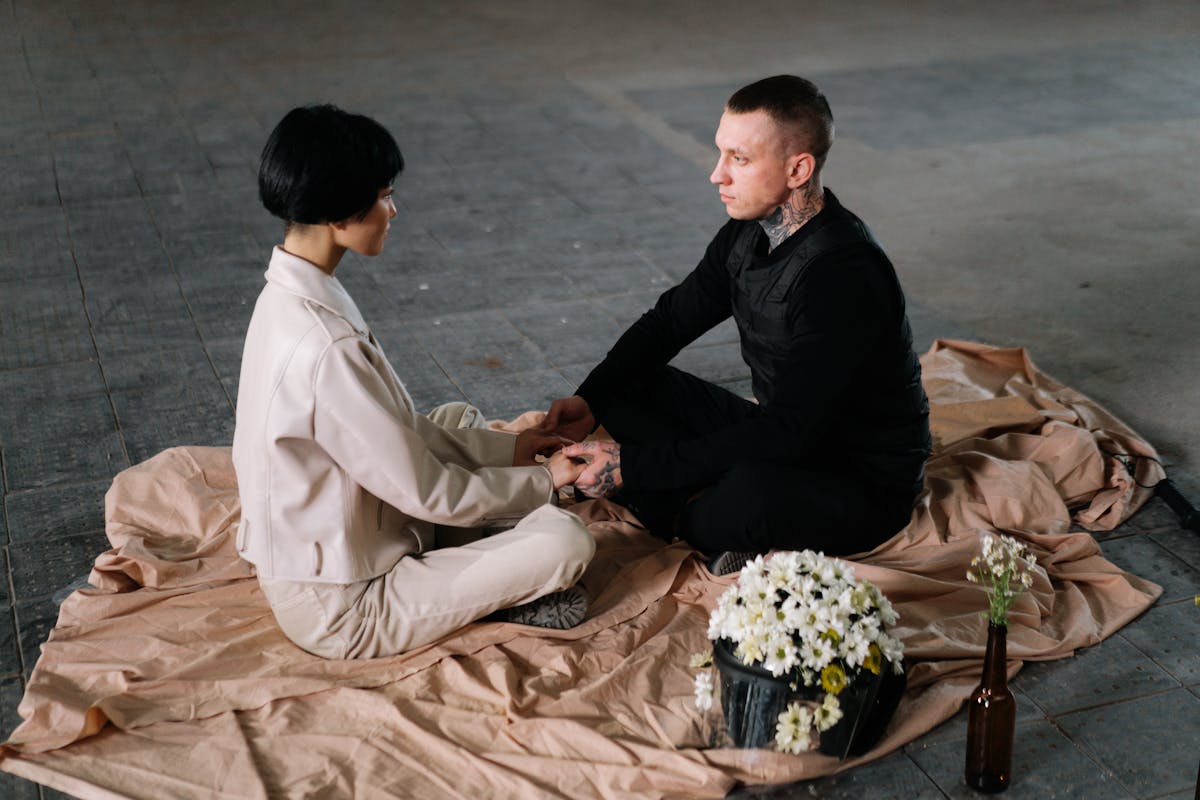
Sacrifice is praised in society as the ultimate proof of devotion, yet when it demands self-erasure, it becomes harmful. Tolerating repeated disrespect, losing personal goals, or staying in harmful situations under the guise of loyalty is normalized.
Commitment should involve balance, not one-sided surrender. Healthy love grows in both partners rather than placing the burden of endurance on only one individual. Sacrifice should support love, not justify abuse.
Conclusion
Toxic behaviors survive because society normalizes them in family patterns, media, and cultural advice. Jealousy, control, silence, drama, and one-sided emotional labor are often framed as passion, care, or loyalty.
Recognizing these behaviors is the first step toward healthier relationships. True love nurtures trust, respect, balance, and personal freedom, creating connections that feel safe, empowering, and sustainable.