7 Ways DIY Food Hacks Can Go Horribly Wrong
Food hacks. Everyone loves them. They’re quick, clever, and make life easier, right? The internet is full of DIY food tips promising to revolutionize your kitchen experience,whether it’s speeding up meal prep, saving you money, or creating the perfect meal every time.
But what happens when these life-saving tricks go awry? Despite their allure, DIY food hacks can often lead to chaos in the kitchen. From ruined meals to kitchen disasters, these shortcuts don’t always end up as expected. Here are seven ways DIY food hacks can go horribly wrong, along with tips to help you avoid a culinary catastrophe.
Overcooking with the “One Pot” Hack
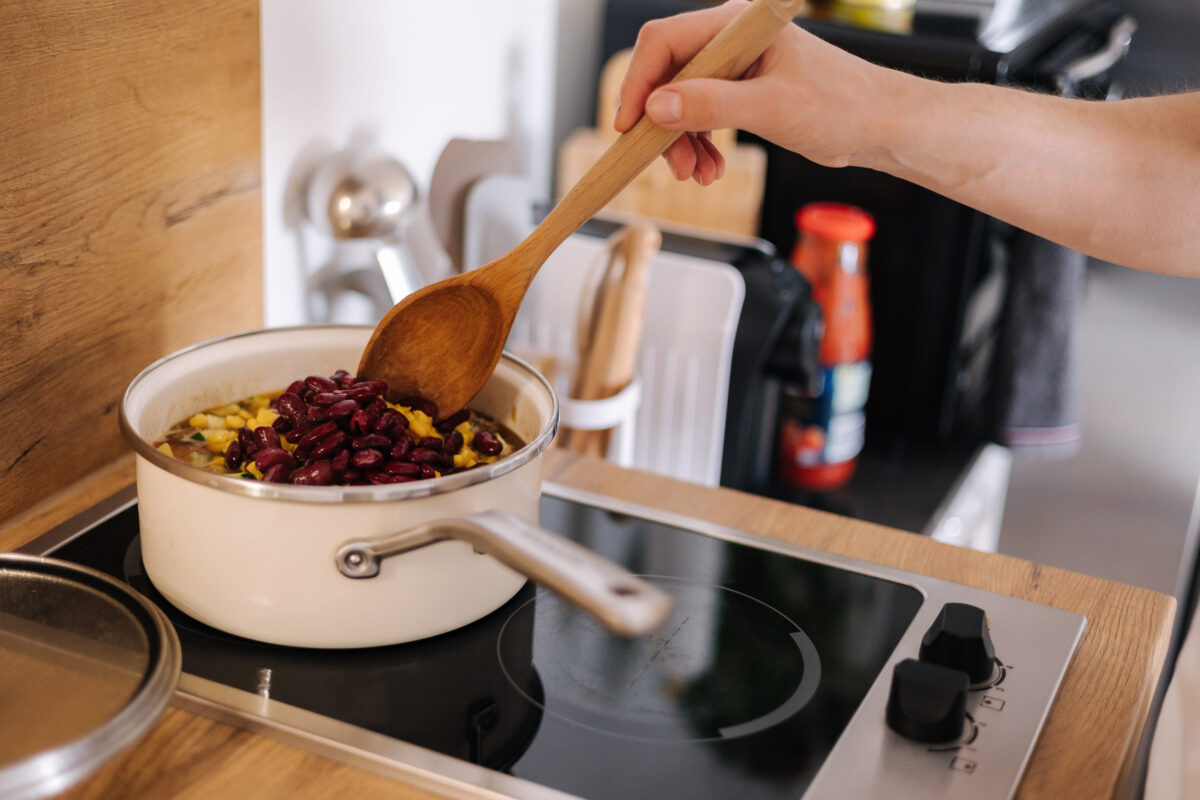
One-pot meals are a kitchen savior, right? You throw everything into a single pot, and voilà, dinner is served! But what if that one-pot hack is more than it seems? The reality is, it’s easy to get overzealous with this method. Some recipes call for different cooking times or heat levels for each ingredient, making it impossible to cook everything at once perfectly. This can lead to mushy vegetables, dried-out meat, or unevenly cooked grains.
For instance, while your rice might be tender and fluffy, your chicken might be dry and flavorless. To avoid this mistake, stick to recipes that balance ingredient cook times, or consider cooking each component separately before combining. Sometimes, the “quick and easy” meal just isn’t worth the risk of a ruined dinner.
Freezing Herbs for Long-Term Storage
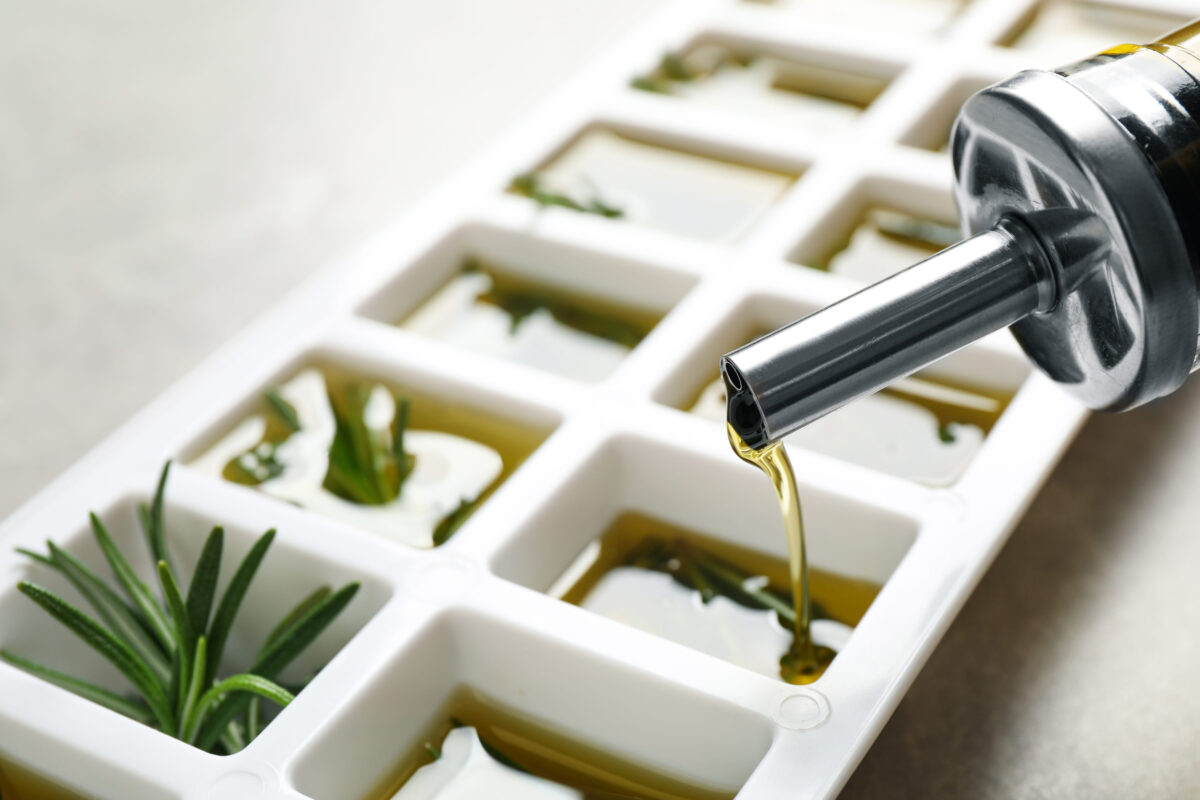
Who hasn’t seen the viral trick of freezing fresh herbs in an ice cube tray with olive oil to preserve them for later use? While this sounds like a great way to extend the life of your fresh herbs, it doesn’t always work as smoothly as advertised. Freezing can alter the texture and flavor of many herbs, making them limp and less aromatic.
Basil, in particular, tends to lose its vibrancy when frozen, often turning brown and mushy when defrosted. Instead of freezing your herbs whole, try drying them or making herb-infused oils to store in the fridge. That way, you can keep your herbs in better condition for longer and still enjoy their fresh flavors.
Microwaving Eggs
We’ve all seen those “microwave scrambled eggs” videos that make the process look easy and fast. However, popping an egg in the microwave without the right technique can lead to some serious mishaps. You may end up with rubbery, overcooked eggs or, even worse, an egg explosion inside the microwave. If the eggs are not stirred or covered properly, they can form hot spots and even burst, creating a sticky, smelly mess.
To avoid these issues, use a microwave-safe bowl, add a little water or milk, and cover the bowl with a microwave-safe lid. Keep a close eye on the eggs as they cook, stirring every 30 seconds. While microwaving eggs might seem like a simple shortcut, without proper technique, it can lead to frustration and wasted eggs.
Using Plastic Wrap in the Oven
We’ve all been guilty of attempting a quick fix using plastic wrap, especially when trying to keep food fresh or wrap leftovers. However, a popular hack of using plastic wrap to cover dishes before baking is a disaster waiting to happen. Not all plastic wrap is oven-safe, and using the wrong type can result in melted plastic that ruins your meal and makes a horrible mess.
Always check the packaging of your plastic wrap to ensure it’s oven-safe, and if you’re ever in doubt, use aluminum foil instead. Some people have also tried covering foods with plastic wrap and placing them in a broiler, only to end up with melted plastic all over their food. To be safe, stick with baking dishes with lids or use parchment paper to protect your meal in the oven.
Using Too Much Baking Soda for “Fluffy” Pancakes
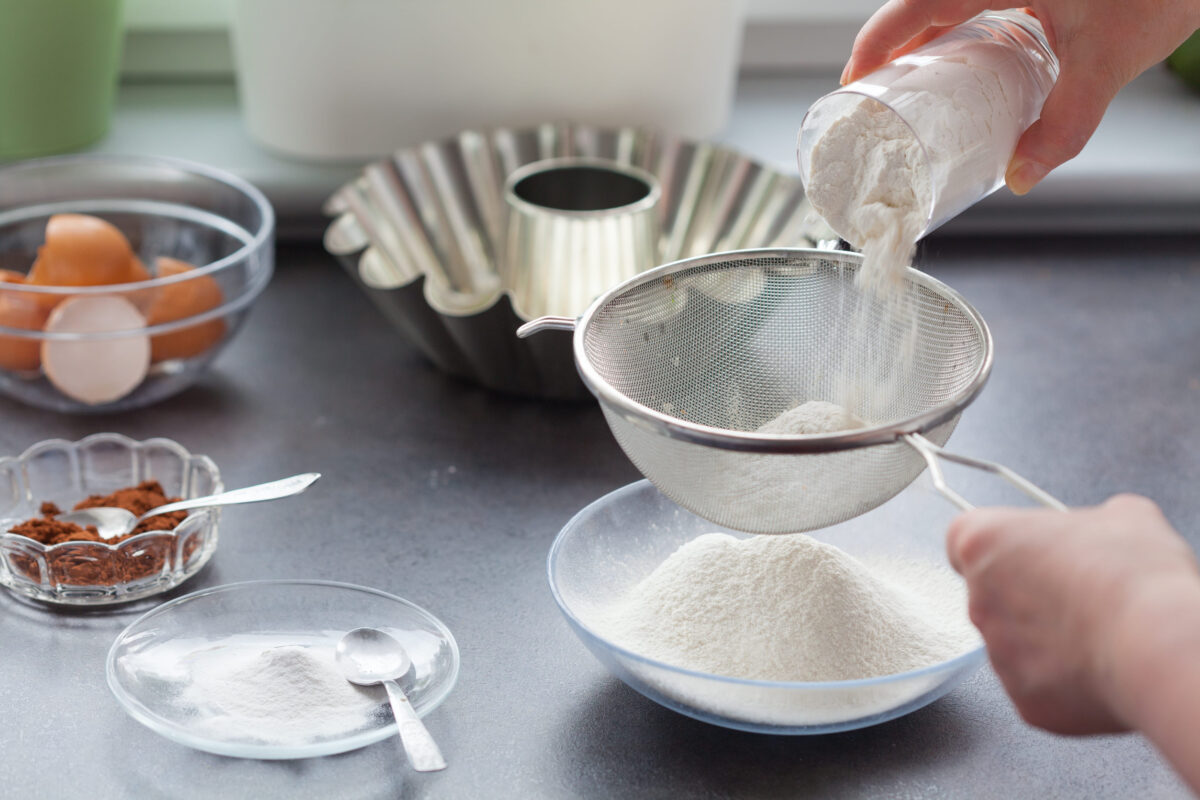
DIY pancake recipes, especially those promising to make them extra fluffy, often call for a generous amount of baking soda. The idea is that the more you add, the fluffier your pancakes will be. But be careful,too much baking soda can lead to an unpleasant, bitter taste that ruins the entire batch. The last thing you want is a pile of pancakes that have a soapy aftertaste.
The key to fluffy pancakes isn’t just baking soda; it’s the balance between dry ingredients and wet ingredients, as well as the right cooking technique. Stick to a well-tested recipe and avoid overdoing it on the leavening agents. Remember, a little goes a long way with baking soda!
Substituting Ingredients Without Understanding the Chemistry
When you’re in a rush, it’s tempting to swap ingredients to save time or use what you have in the pantry. While some substitutions work just fine, others can throw off the entire dish. For example, using baking powder instead of baking soda or replacing eggs with applesauce may seem like easy swaps, but they alter the texture and rise of your recipe.
In baking, especially, ingredients like flour, sugar, and eggs have specific chemical roles. Substituting can lead to flattened cakes, dense cookies, or even collapsed soufflés. Before making any substitutions, research the best alternatives for your recipe. When in doubt, stick to the original ingredients for the best results.
Overusing Non-Stick Spray for Greasing Pans
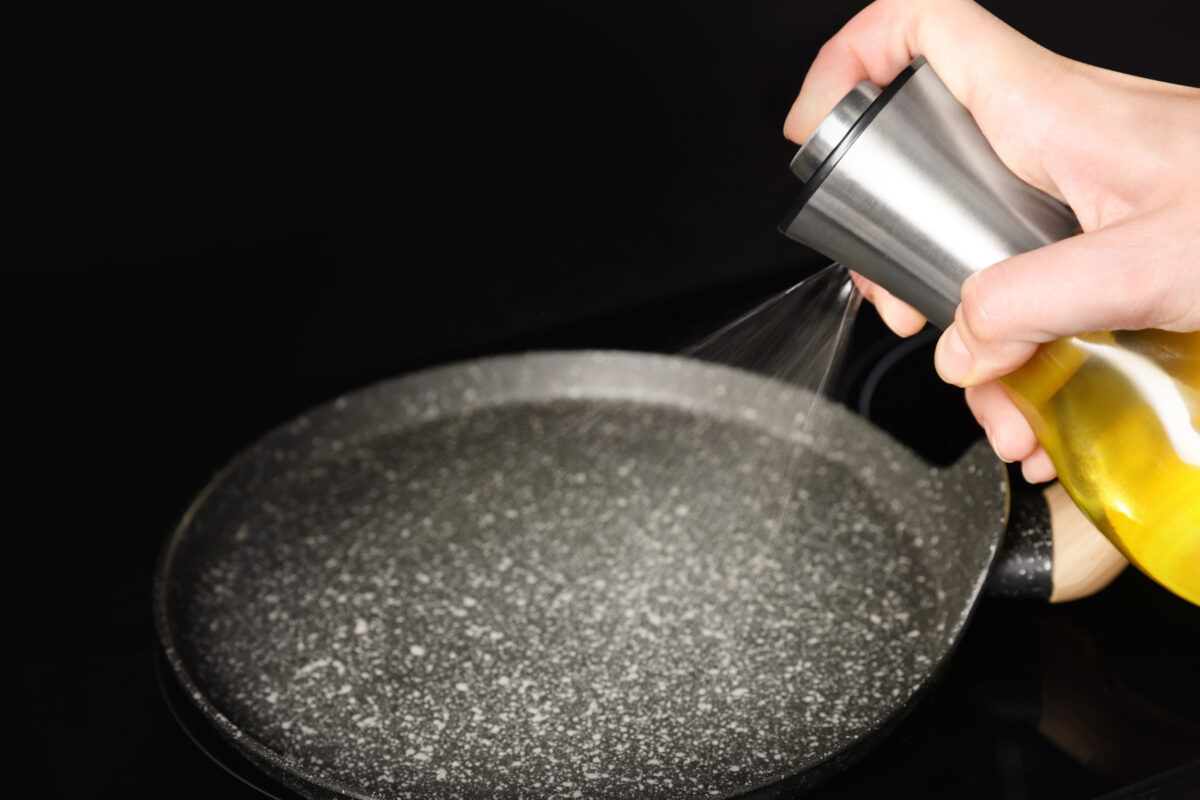
The idea of non-stick cooking spray is simple: spray it on your pans, and nothing sticks. However, overusing it can result in an oily, greasy mess. Non-stick spray tends to build up over time, leaving an undesirable layer that can make your food too greasy and make cleaning more difficult. It also affects the performance of your non-stick pans, diminishing their effectiveness and causing food to stick despite the spray.
Instead of over-spraying, opt for a small amount of butter, oil, or even parchment paper. These alternatives will still provide that non-stick effect without the added grease buildup. And remember, a light hand goes a long way when greasing your pans.
Conclusion
DIY food hacks are tempting, especially when they promise to save time or improve your meals with minimal effort. However, these shortcuts don’t always deliver the results we expect. From ruined dishes to kitchen disasters, DIY food hacks can backfire if you’re not careful. While some hacks do work as advertised, others require a bit more finesse, understanding, and sometimes, just sticking to the traditional methods.
So, before you dive into the next viral food hack, take a moment to think about the potential pitfalls. While it’s always fun to try new tricks in the kitchen, nothing beats the reliability of proven methods. With a little extra care and attention, you can avoid the common pitfalls and make your kitchen adventures more successful. Ultimately, a balance of innovation and traditional techniques will help you create delicious, memorable meals every time.