7 Ways Social Media Is Giving Us Unrealistic Expectations of Food
Food used to sit on a plate. Now it performs for the camera first. A simple sandwich has to stretch, drip, sparkle, crunch, steam, and somehow look like it belongs in a glossy magazine spread shot by a team of stylists. Social media has turned everyday eating into a visual contest, and many people now judge meals before they even taste them.
Pew Research Center’s 2025 report shows that YouTube remains the most widely used social platform among U.S. adults, with Instagram and TikTok continuing to grow, which means food content now reaches people all day through short videos, reels, restaurant reviews, recipe clips, and influencer posts. That constant scroll changes what people expect from food at home, at restaurants, and even during casual family meals. The problem starts when the online version of food looks more exciting than the real thing.
Social media makes every meal look like a photoshoot.
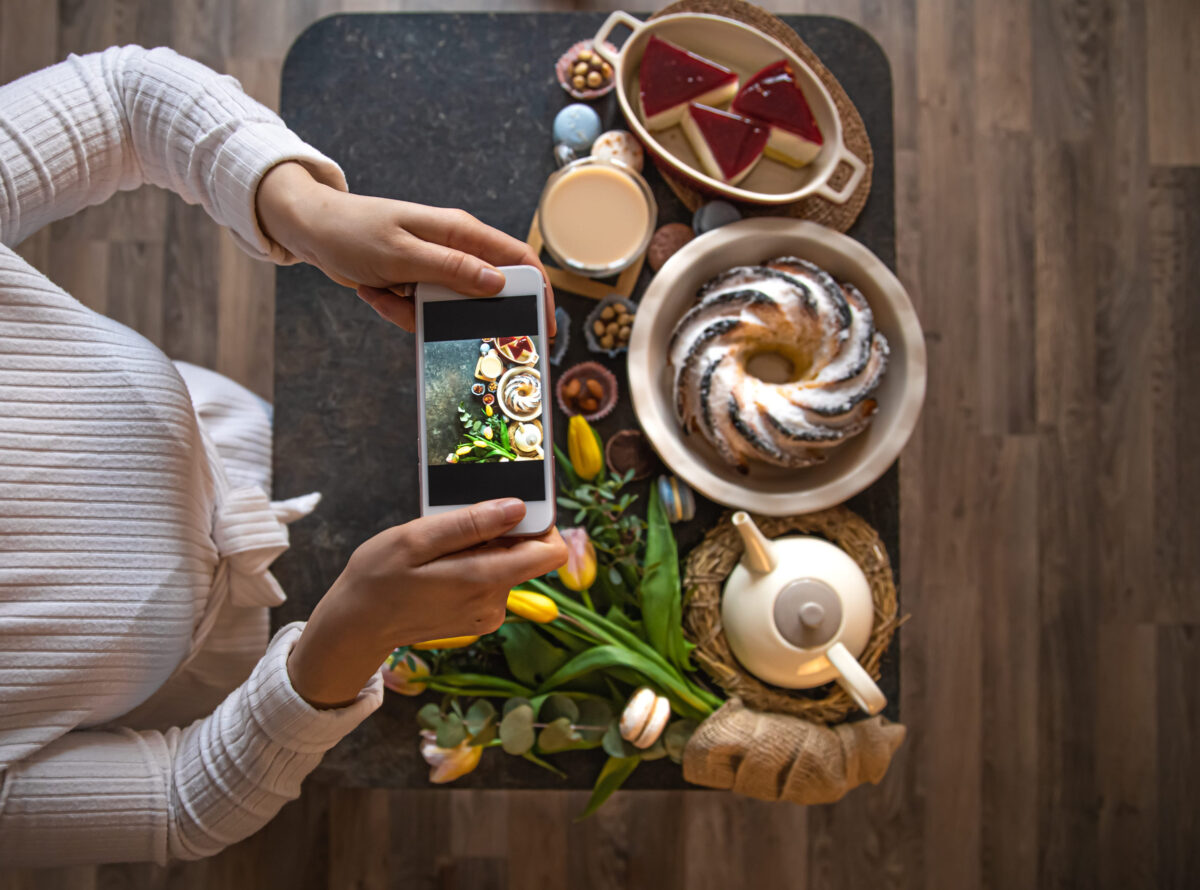
The biggest trick social media plays on us is simple. It makes normal food look too normal. A homemade bowl of pasta may taste rich, warm, and comforting, but it can seem boring beside a viral clip where cheese pulls across the screen like a magic trick. Creators often use perfect lighting, fresh herbs, clean plates, dramatic angles, and careful editing to make food look brighter than it appears in real life. Viewers rarely see the mess behind the camera, the cold food after repeated takes, or the ingredients added only for looks. This creates the idea that every meal should look restaurant-ready, even when someone has just cooked after a long workday.
That pressure can drain the joy from eating. People start planning dinner for approval rather than for appetite. They may feel disappointed when pancakes stack unevenly, sauces spread too much, or a stew looks brown instead of camera-friendly. Good food does not always photograph well. Some of the best meals look messy, plain, or deeply unglamorous. Social media often rewards beauty first, so people forget that flavor, comfort, nourishment, and shared company matter more than a perfect overhead shot.
Viral recipes make difficult cooking look effortless.

A thirty-second recipe can make any dish look easy. The creator smiles, tosses ingredients into a pan, cuts to a sizzling close-up, and serves a perfect meal before the viewer has even washed a knife. That format feels fun, but it hides the slow parts of cooking. It skips the measuring, chopping, failed batches, dirty dishes, timing mistakes, and little adjustments that real cooking requires. A 2026 study highlighted by EurekAlert found that TikTok culinary trends can influence what young people eat, where they eat, and how they judge recipes. That influence becomes tricky when the recipe looks foolproof online but turns chaotic in a real kitchen.
Many viral recipes also depend on special tools, expensive ingredients, or camera-friendly shortcuts. A creamy pasta may need more fat than people expect. A “quick” dessert may require chilling time that never appears in the clip. A crunchy snack may only work because the creator tested it several times before filming. Viewers can feel like failures when their version looks flat, oily, dry, or messy. The truth feels less glamorous. Cooking improves through practice, patience, and mistakes, not through one perfect swipeable video.
Restaurant food now has to be dramatic to feel worth it.
Social media has changed the way people judge restaurants. A meal now needs a “wow” moment before some diners believe it deserves attention. Think smoking cocktails, giant burgers, overflowing milkshakes, gold flakes, tableside flames, rainbow desserts, and cheese that stretches longer than anyone’s patience. These dishes draw attention because they offer the camera something obvious to capture. They also create a strange expectation that eating out should feel like a show every time. A quiet bowl of soup, a well-cooked steak, or a simple plate of rice and beans can seem dull next to food built for spectacle.
That shift can hurt both diners and restaurants. Diners may chase hype and ignore quality. Restaurants may design menu items for cameras rather than for flavor, comfort, consistency, or value. The most photogenic dish does not always taste the best. Sometimes it arrives lukewarm because it needed too many decorative steps. Sometimes the portion looks huge but lacks balance. Social media can make people forget that the best restaurant meals often come from careful seasoning, fresh ingredients, and skilled cooking, not just dramatic presentation.
Perfect wellness plates distort healthy eating.
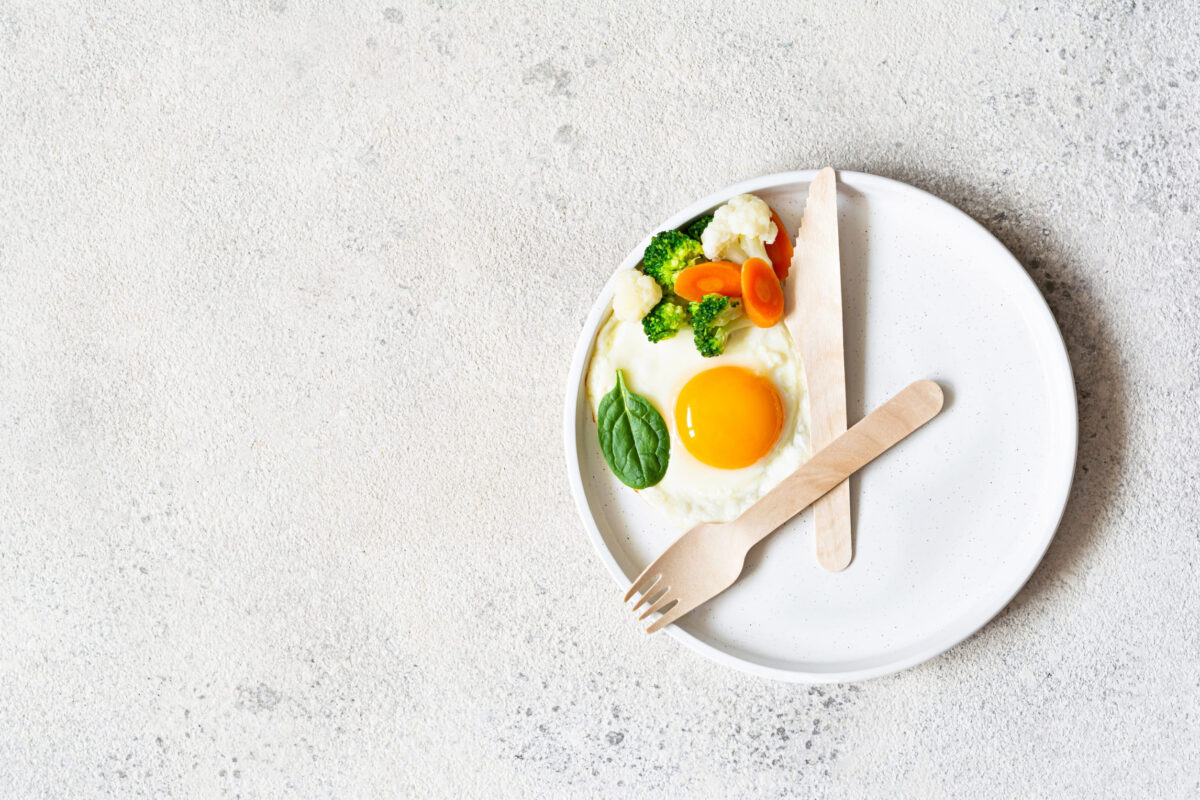
Online healthy eating often looks impossibly polished. Smoothie bowls appear in perfect colors. Salads overflow with expensive toppings. Protein meals arrive in spotless containers. Morning routines show matcha, supplements, chia pudding, fresh berries, and golden lighting. This version of wellness can make healthy eating seem like a luxury brand rather than a practical habit. Research on social media and eating behavior has linked exposure to appearance-focused and diet-related content with body image concerns and disordered eating patterns, especially among young people. That matters because food content can quietly turn nourishment into performance.
Healthy food does not need to look expensive or elegant. A boiled egg, beans, rice, peanut butter toast, frozen vegetables, or leftovers can support a balanced diet. Social media often hides budget, culture, time, access, and personal needs. It can make people think they must eat like influencers to eat well. That belief creates guilt around ordinary meals. Real health lives in patterns, not perfect plates. A simple home-cooked meal, eaten calmly, can do more good than a stunning bowl made mainly for likes.
Online food portions can confuse real appetite.
Social media loves extremes. Giant portions attract attention. Tiny “clean girl” meals also attract attention. Both can confuse people who are trying to understand normal hunger. One clip shows a creator eating a mountain of fast food. The next shows someone calling a small bowl of yogurt a full meal. The viewer gets pulled between indulgence and restriction, often without context. Body size, activity level, health needs, age, culture, and daily routine all affect appetite. Social media rarely explains those details because they slow down the entertainment.
This creates unrealistic expectations around how much people should eat. Some viewers feel ashamed for wanting more food. Others feel pressured to copy oversized “cheat meals” that do not match their body’s needs. Food content turns appetite into a comparison game. That can make normal hunger feel suspicious. Real eating should respond to the body, not to a stranger’s edited day of meals. A person’s plate does not need to match a trend to be valid.
Influencer grocery hauls make normal budgets feel inadequate.
A beautiful grocery haul can look harmless, but it can create quiet pressure. Many creators display organic produce, specialty drinks, imported snacks, premium protein powders, fresh seafood, fancy oils, and neatly arranged pantry items. The video feels satisfying because everything looks abundant and organized. Yet many households shop on strict budgets, with rising costs, limited time, and limited local store options. A normal grocery cart may include store brands, frozen vegetables, canned goods, basic grains, and repeat meals. Social media can make that practical cart feel less impressive than it really is.
This expectation can push people to overspend or feel embarrassed about affordable food. A budget meal can still be smart, tasty, and nourishing. Beans, eggs, oats, potatoes, cabbage, lentils, pasta, canned tomatoes, and frozen fruit can stretch far and feed people well. Influencer food content often sells an image of control, wealth, and taste. It rarely shows financial trade-offs. Real kitchens run on what people can afford, what their families eat, and what their schedule allows. That reality deserves more respect.
Constant food content makes cravings feel endless.
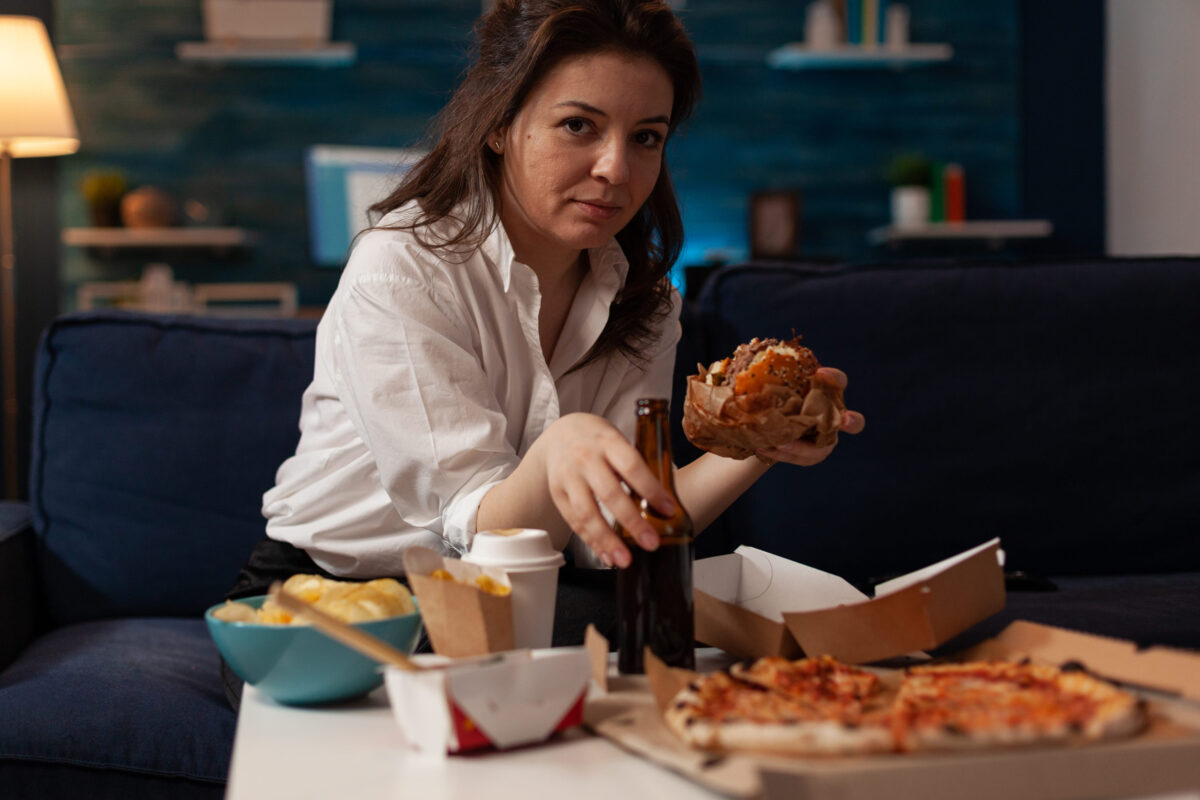
Food videos know how to grab attention. A close-up of melted chocolate, crispy chicken, glossy noodles, or dripping sauce can spark desire even when someone has just eaten. A 2025 experimental study on Instagram food posts found that social media food marketing often promotes snacks, confectionery, and fast food, and that exposure to this content can shape eating behavior. This does not mean every food video harms people. It means constant exposure can make cravings feel louder and more frequent than they used to feel.
The problem grows because social media keeps serving food even after a person feels full. The algorithm keeps going. It learns what gets attention and sends more of it. Someone who watches one dessert clip may see cakes, cookies, donuts, milkshakes, and late-night snack ideas for days. That loop can make ordinary meals feel less satisfying because the screen keeps offering something richer, crunchier, sweeter, or more indulgent. Real appetite needs pauses. Social media gives it a buffet with no closing time.
Conclusion
Social media did not ruin food, but it changed how many people view it. It made meals more visual, more competitive, and more tied to identity. It turned recipes into entertainment, groceries into status symbols, and restaurant meals into mini performances. That can be fun in small doses. It can also leave people feeling disappointed with perfectly good food.
The healthiest response is not to hate food content. It is to watch it with sharper eyes. Behind every perfect plate, there may be edits, styling tricks, failed attempts, expensive tools, or a creator paid to make something look irresistible. Real food does not need to go viral to matter. If it tastes good, feeds you well, fits your budget, and brings comfort to your day, it has already done its job.