7 Hidden Dangers of Vegan Substitutes That Are Sabotaging Your Health
The vegan aisle can look like a health halo with a barcode. Burgers made from peas, cheese made from coconut oil, milk made from oats, nuggets made from soy, and mayo made without eggs all promise a cleaner plate. That promise can be real when plant-based eating centers on beans, lentils, vegetables, fruits, nuts, seeds, and whole grains. The problem starts when “vegan” becomes a shortcut for “healthy,” even when the food has been engineered, salted, sweetened, thickened, flavored, and polished until it barely resembles the plant it came from. A 2024 study in The Lancet Regional Health Europe found that plant-sourced foods do not all behave the same in the body: less processed plant foods are linked to lower cardiovascular risk, while ultra-processed plant foods are linked to higher risk.
That does not mean vegan substitutes are automatically bad. Some can help people reduce meat intake, avoid dairy, manage allergies, or transition to a more plant-forward diet. Still, the label deserves a second look. A vegan burger can carry more sodium than you expect. A dairy-free cheese can lean heavily on saturated fat. Plant milk can lack key nutrients unless it is fortified. The danger hides in the gap between the front label and the nutrition panel.
The healthy label can hide ultra-processed ingredients.
Vegan substitutes often win the marketing battle before they even reach your plate. The words “plant based,” “dairy-free,” and “meatless” sound fresh, light, and modern, but many substitutes sit firmly in the ultra-processed category. They may include protein isolates, refined starches, industrial oils, stabilizers, flavor enhancers, color additives, and texturizers that help imitate the chew of meat or the melt of cheese. Engineering can make vegan eating easier, but it can also turn a good intention into a packaged food habit. A major BMJ umbrella review linked higher ultra-processed food exposure with greater risk of several adverse health outcomes, especially cardiometabolic problems, common mental health disorders, and mortality outcomes.
The trap feels harmless because the food still comes from plants somewhere along the chain. Yet your body does not judge dinner by branding. It responds to the total package of fiber, sodium, fat quality, protein quality, micronutrients, and processing level. A bowl of lentils and brown rice behaves differently from a plant-based sausage wrapped in refined bread with sugary sauce. Both may be vegan, but only one brings the slow, steady nutrition people usually imagine when they hear “plant-based.”
Sodium sneaks in faster than people expect
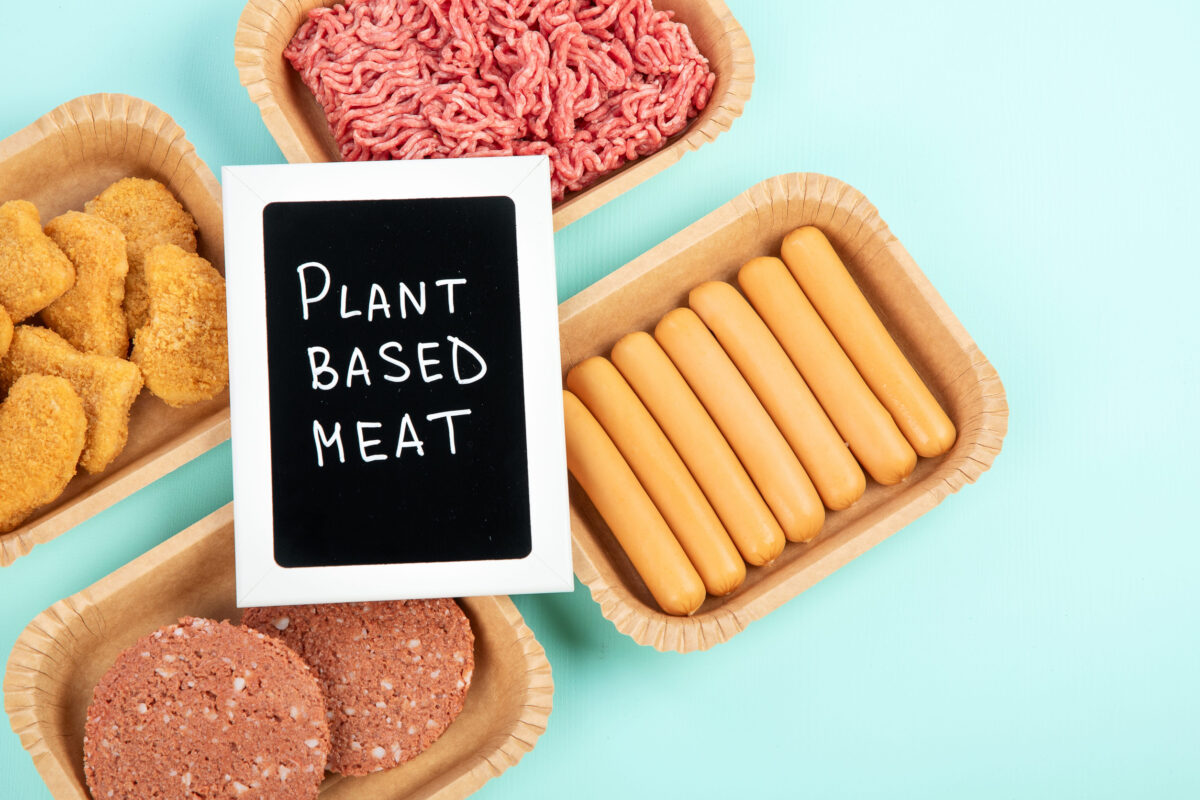
Many vegan meats depend on salt for flavor, preservation, and that savory punch people expect from burgers, sausages, deli slices, and nuggets. That creates a quiet problem for anyone who eats substitutes daily. Harvard nutrition experts have pointed out that fake meat’s main nutritional downside is often its higher sodium content compared with uncooked and unprocessed animal meat.
This matters because sodium does not need drama to cause trouble. It just needs routine. The American Heart Association recommends no more than 2,300 milligrams of sodium per day, with an ideal limit of 1,500 milligrams for many adults, and it notes that more than 70 percent of sodium in the American diet comes from packaged, prepared, and restaurant foods. A vegan breakfast patty, a plant-based deli sandwich, a frozen meatless meal, and a salty dairy-free snack can push the day upward before dinner even begins. The danger does not come from one burger. It comes from making processed substitutes the backbone of the menu.
Vegan cheese can become a saturated fat bomb.
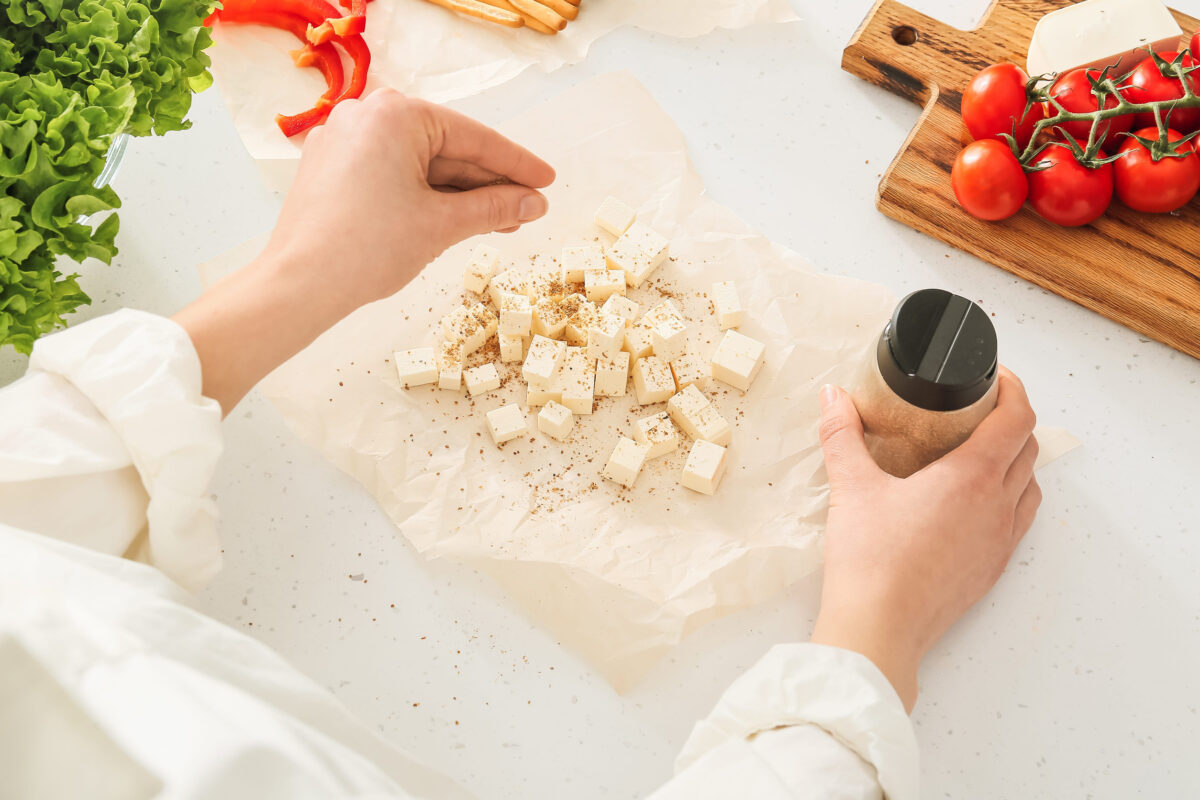
Vegan cheese sounds lighter than dairy cheese, but some versions trade one concern for another. Many dairy-free cheeses use coconut oil because it creates a creamy texture and a firmer bite. That can help the product melt, slice, and stretch, but coconut oil also brings saturated fat. A nutritional review of plant-based cheeses found that products containing coconut oil were more likely to have higher saturated fat and sodium levels.
This is where the vegan halo gets sneaky. A person may avoid dairy cheese for cholesterol or heart health, then replace it with a coconut oil-based alternative that still loads the meal with saturated fat. The American Heart Association recommends limiting saturated fat to less than 6 percent of total calories because saturated fats can raise LDL cholesterol and increase heart disease risk. That does not mean every dairy free cheese belongs in the trash. It means the label matters. A thin sprinkle for flavor is different from building every sandwich, pasta, pizza, and snack plate around it.
Plant milks can leave quite a nutritional gap.
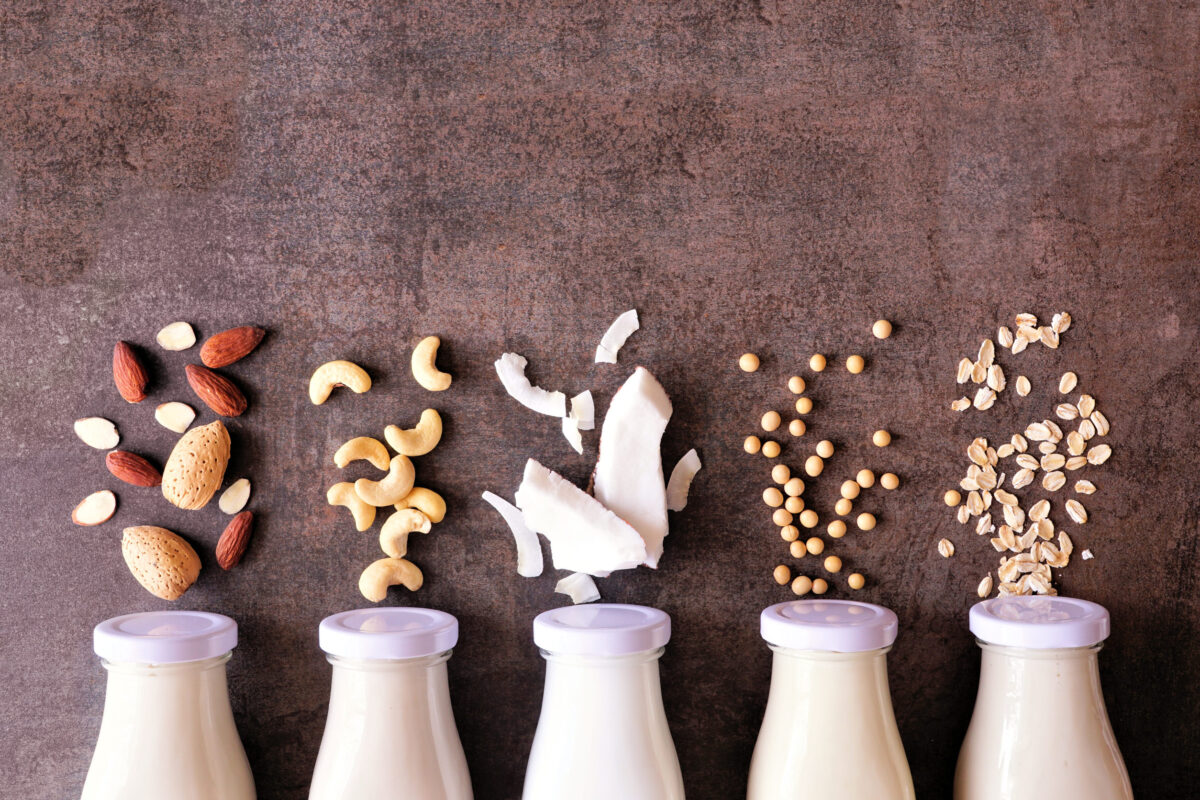
Oat milk in coffee feels harmless. Almond milk in cereal feels clean. Coconut milk in smoothies feels tropical and light. The problem arises when people treat all plant milks as interchangeable with dairy milk, without checking for protein, calcium, vitamin D, potassium, riboflavin, and vitamin B12. The FDA has warned that plant-based milk alternatives can differ nutritionally and that their nutritional profiles can vary greatly from those of milk.
Some plant milks contain very little protein. Others contain added sugar. Some are fortified well, and others are not. If someone removes dairy and relies on unfortified plant milk, they may inadvertently reduce their intake of nutrients that are already short in many diets. The FDA’s draft guidance notes that plant-based milk alternatives that do not have a similar nutritional composition to milk could contribute to inadequate intakes of nutrients such as calcium, protein, vitamins A and D, magnesium, phosphorus, and other nutrients. Soy milk often comes closer to protein, but even then, the label still matters.
Protein claims can flatter weak meals.
Vegan substitutes love protein numbers. The package shouts “20 grams of plant protein,” and the shopper feels safe. Protein matters, especially for active adults, older adults, and people trying to stay full between meals. Still, a protein claim does not automatically make a food balanced. A highly processed vegan patty may deliver protein but bring sodium, refined oils, and additives along for the ride. A protein bar may look virtuous and still behave like a dressed-up candy bar.
Whole plant proteins offer a different deal. Lentils, chickpeas, beans, tofu, tempeh, edamame, nuts, seeds, and whole grains bring protein with fiber, minerals, and slower digestion. Harvard’s Nutrition Source highlights legumes as a strong plant protein choice, noting that one cup of cooked lentils provides 18 grams of protein and 15 grams of fiber with virtually no saturated fat. That is the kind of plant-based eating that supports fullness instead of chasing it. Vegan substitutes can help fill gaps, but they should not crowd out the humble foods that made plant-based diets famous in the first place.
Additives can irritate the gut.
Many vegan substitutes need help to behave like animal foods. They need binders to hold together, emulsifiers to blend ingredients, gums to create thickness, and flavor systems to mimic smoke, cheese, butter, or meat. These tools make products more convincing, but they also raise questions about gut health when eaten often. A 2024 review in Nature Reviews Gastroenterology and Hepatology reported growing evidence that ultra-processed foods and some food additives can affect gut health, including links with gut disease and effects on the intestinal microbiota.
This does not prove every vegan nugget will upset your stomach. It does explain why some people feel bloated, heavy, or uncomfortable after swapping whole meals for substitute products. The gut likes patterns. If the pattern becomes low-fiber, high-sodium, refined starches, industrial fats, and a rotating cast of additives, digestion may complain. A cleaner approach may look boring, but it works better. Choose shorter ingredient lists, use substitutes as accents, and let whole foods carry the meal.
Sweetened substitutes can turn vegan eating into dessert.
Dairy-free does not mean sugar-free. Vegan yogurts, creamers, flavored milks, protein drinks, frozen desserts, granolas, and snack bars can carry added sugars that make them taste better and sell faster. The danger feels subtle because the products often sit beside health messaging. A coconut yogurt with fruit flavor can feel like breakfast, even when it behaves more like dessert. A sweetened oat creamer can turn every cup of coffee into a small sugar ritual.
The Dietary Guidelines for Americans recommend limiting added sugars to less than 10 percent of daily calories and limiting foods higher in saturated fat and sodium. That guidance matters in the vegan aisle because many substitutes combine more than one issue at once. A sweetened plant milk may be low in protein. A dairy-free dessert may be high in saturated fat. A vegan snack may contain sugar, salt, and refined starches. The smarter move is simple. Buy unsweetened versions when possible, then add your own fruit, cinnamon, cocoa, or vanilla.
Conclusion
Vegan substitutes can be useful, convenient, and even enjoyable, but they are not magic. The biggest danger comes from trusting the word “vegan” more than the ingredient list. A plant-based label can still hide sodium, saturated fat, added sugar, weak protein, missing nutrients, heavy processing, and gut-irritating additives.
The healthiest vegan plate still looks old-fashioned. It relies on beans, lentils, tofu, tempeh, whole grains, vegetables, fruits, nuts, seeds, and fortified foods, as needed. Substitutes can play a supporting role, especially during busy weeks or food transitions. They should not become the main character. When you read labels with the same seriousness you give the front of the package, vegan eating becomes what it was meant to be: satisfying, colorful, nourishing, and genuinely good for your hea