Arizona’s Summer Electricity Shock Is Back, and This Time It Feels Personal as Air Conditioning Becomes a Daily Financial Struggle
In Arizona, summer does not arrive quietly. It shows up like a wall of heat that hits you the moment you open the front door, the kind that makes even morning feel like midday. And this year, that heat is arriving with something else attached: rising electricity bills that are expected to push households harder than before.
For many families across the state, the pattern is familiar. The sun climbs, the desert air thickens, and air conditioners begin their long daily cycle of survival mode. What is changing now is the cost of that survival. Staying cool is no longer just about comfort in Arizona. It is becoming a monthly financial decision that families cannot easily escape.
And while Arizona sits at the center of this story, the ripple effect is national. From the Southwest to the Midwest to coastal cities dealing with heat waves, Americans are about to face the same uncomfortable truth. Cooling the home is turning into one of the most expensive parts of modern living.
When the Heat Feels Like a Bill Before It Even Arrives
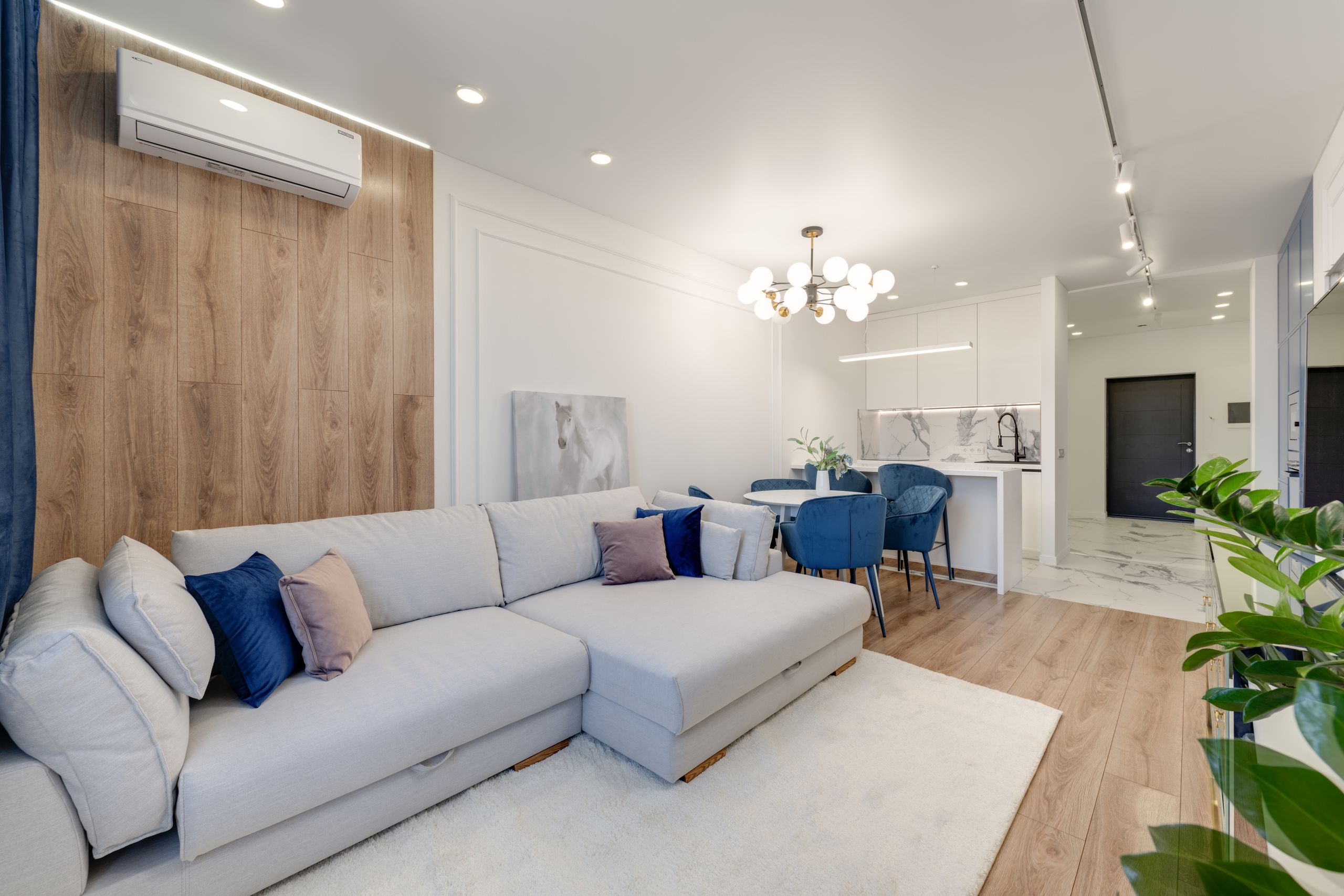
In Arizona neighborhoods, summer has a rhythm that residents know too well. The air conditioner kicks on early, runs through the afternoon, and often never fully rests until late at night. Even then, the desert heat lingers as if it refuses to leave.
But this year, something has shifted in how people experience that rhythm. It is not just the temperature that is being felt. It is the awareness of what each degree of cooling might cost later.
A parent in Phoenix may hesitate before lowering the thermostat another notch. A retiree in Tucson may double-check the forecast before deciding how long to run the AC during peak afternoon heat. Even renters in older buildings, where insulation is weak and cooling is less efficient, are finding themselves trapped between discomfort and expense.
There is a growing tension in Arizona homes. Not the kind you can see, but the kind you feel every time the electric bill approaches.
Arizona Is Becoming One of the Most Expensive States to Stay Cool In
Energy analysts have been warning that Arizona is heading into one of its most expensive cooling seasons yet. The combination of extreme heat and rising electricity prices is pushing household bills upward in a way that is difficult to ignore.
The reality is simple. Air conditioners in Arizona do not get breaks the way they do in milder states. They are not seasonal helpers. They are essential systems working under constant pressure.
In some households, cooling systems run almost continuously during heat waves. That means even small increases in electricity rates are quickly magnified. What might be a modest change elsewhere becomes a noticeable jump in Arizona, where usage is already high by default.
And here is where frustration begins to build. Many residents feel like they are being punished for something they cannot control. You cannot negotiate with desert heat. You cannot opt out of it. You can only pay to survive it.
The Hidden Drivers Behind Rising Summer Bills
It is easy to blame the air conditioner for high bills. It is visible, loud, and constantly running in the background. But the real story is more complicated than that.
Electricity prices are rising for several reasons at once. Power grids are under pressure from growing demand. More homes are using more electricity for longer periods. Businesses are expanding energy use. And infrastructure upgrades are becoming more expensive as utilities modernize aging systems.
At the same time, heat itself is becoming more intense and more frequent. That means systems are not just running more often. They are running harder for longer periods without relief.
In Arizona, this creates a loop. Higher temperatures increase demand. Higher demand increases costs. Higher costs increase stress on households. And that stress shapes behavior in ways that were not as common a decade ago.
People are no longer just thinking about staying cool. They are thinking about how much cooling they can afford on any given day.
The Quiet Strain Inside Arizona Homes
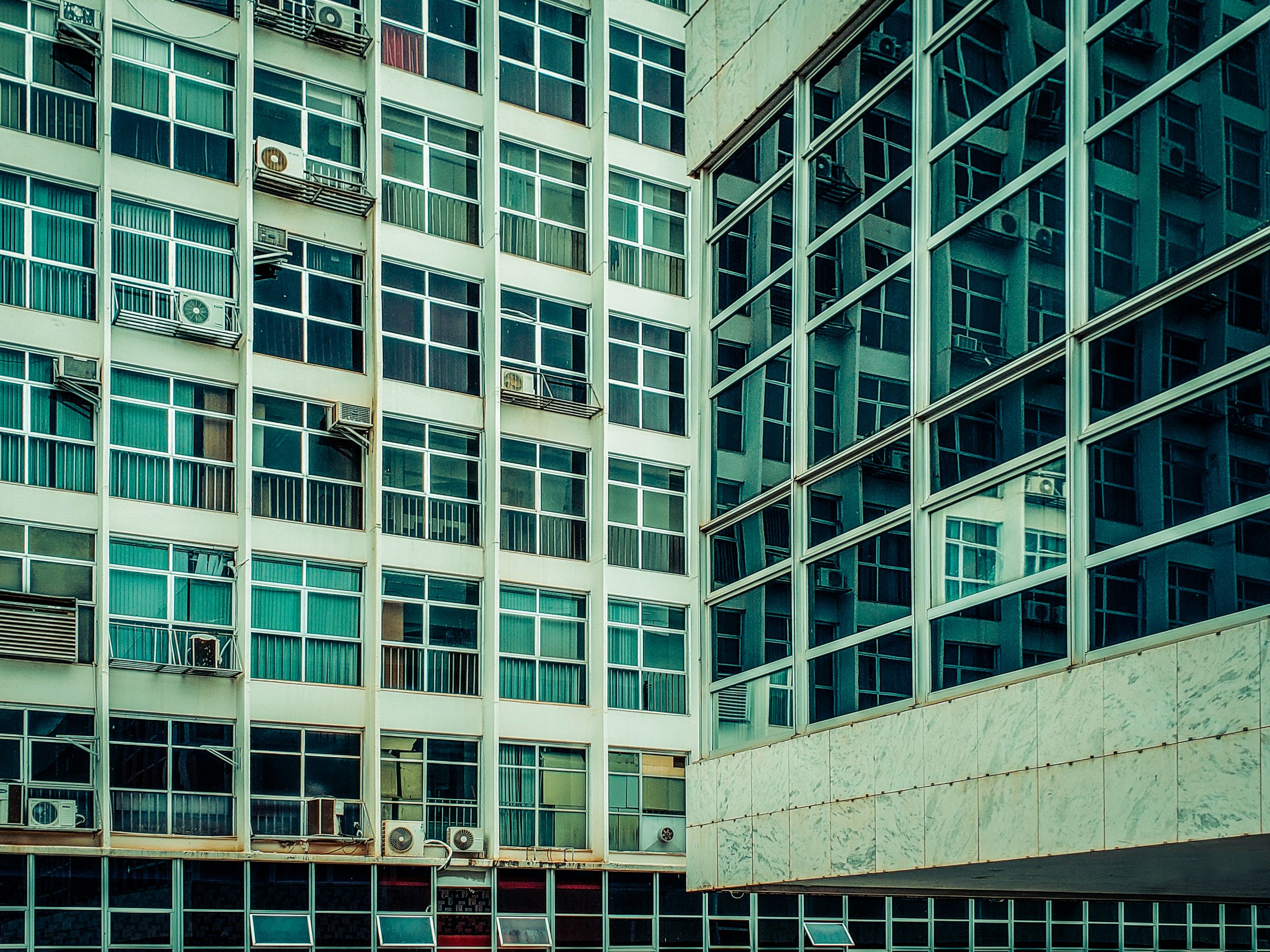
Behind every cooled living room in Arizona, there is a quiet negotiation happening.
Some families are adjusting thermostats upward by a few degrees and hoping they can tolerate it. Others are closing blinds earlier in the day to keep the heat out longer. Many are shifting energy use to late-night hours when temperatures drop slightly.
But these adjustments come with limits. You can only raise the temperature so far before comfort becomes risk. You can only reduce usage so much before the heat becomes overwhelming.
For low-income households, seniors, and renters in older housing, those limits arrive faster. A poorly insulated apartment in Phoenix does not behave the same way as a modern energy-efficient home. And that difference shows up directly on the bill.
There is also a psychological strain that rarely gets discussed. The feeling of watching the thermostat like it is a financial dashboard. The hesitation before turning it down. The quiet calculation of whether comfort today is worth the bill next month.
Why This Summer Feels Different for So Many Americans
Although Arizona is one of the hardest hit states, it is not alone. Across the United States, heat waves are becoming more intense, and electricity demand is climbing alongside them.
That means what Arizona is experiencing now is a preview of what many regions may feel more often in the coming years. Cities that once considered air conditioning seasonal are now treating it as a near-constant necessity during summer months.
Even households outside the hottest zones are noticing changes. A longer heat spell in July. A hotter-than-expected September. A bill that does not return to normal as quickly as it used to.
There is a shared frustration building across states. People are doing what they are supposed to do, staying cool during dangerous heat, and still feeling like they are being financially penalized for it.
That is where the tension becomes louder. It is not just about the weather. It is about affordability amid a changing climate.
Small Choices That Now Carry Bigger Weight
In Arizona homes, small decisions are starting to feel heavier than they used to.
Leaving the AC at a slightly higher setting during the day. Waiting until evening to cool a room down. Running appliances at different times. These choices used to feel like minor habits. Now they feel like survival strategies for the electric bill.
Some households are also learning the hard way that maintenance matters more than ever. A clogged air filter or an aging unit can quietly increase energy consumption without obvious warning signs. In a state like Arizona, that can quickly add up to hundreds of extra dollars over the summer.
Energy experts continue to point to practical steps that help reduce strain. But even the most disciplined households are discovering a hard truth. Efficiency can help, but it cannot erase the cost of extreme heat combined with rising rates.
The Moment Arizona Residents Are Quietly Waiting For
Every summer in Arizona has a breaking point. It is not always dramatic. It is often just the moment the first high bill arrives and forces a household to reassess everything.
That moment is coming again, but this time with more weight behind it. Higher temperatures. Higher usage. Higher rates.
And as those bills begin to land in mailboxes and inboxes, the conversation across kitchens, apartments, and living rooms will sound familiar but sharper.
How much is too much to stay cool? And what happens when staying comfortable starts to feel like a luxury rather than a basic expectation?
Because in Arizona, and increasingly across America, the real question is no longer whether summer will be hot.
It is how much that heat will cost to survive this time.
So here is the question many households are already thinking but not always saying out loud.
At what point does keeping your home safe from extreme heat start feeling financially unfair, and have we already crossed it?