Pentagon’s Military Academy Overhaul Plan Sparks Debate: 10,000+ Students, Decades of Tradition, and the Future of Officer Education at Stake
The Pentagon is considering one of the biggest shake-ups in military education in decades, with a draft proposal targeting civilian faculty tenure, reviewing thousands of courses, and redefining what America’s future military leaders should learn. The plan could affect some of the nation’s most prestigious institutions, including West Point, the Naval Academy and the Air Force Academy.
A battle over the future of America’s military classrooms is taking shape in Washington.
The Pentagon is weighing a sweeping education overhaul that could change how military academies hire professors, design courses and prepare future commanders for the battlefield. The proposal would eliminate civilian faculty tenure, launch a detailed review of academic programs and measure every class against one question: does it directly strengthen warfighting ability?
The potential changes could reach 5 major military education institutions, more than 10,000 students, and thousands of courses taught across the nation’s officer-training system. The proposal remains a draft and has not yet received final approval, but it has already triggered a major debate over the balance between military discipline and academic independence.
Pentagon Proposal Targets Civilian Tenure at America’s Military Academies
The proposed tenure change would mark a historic shift for institutions that have relied on civilian scholars for decades to provide expertise, research and academic continuity.
The draft memorandum reportedly argues that civilian tenure, a system designed to protect academic freedom, can sometimes create barriers to change inside military education. Pentagon officials supporting the plan say military schools must stay focused on producing officers prepared for modern conflicts involving cyber warfare, artificial intelligence, drones and global competition.
The proposal would affect institutions with a combined history stretching back more than 200 years, including the U.S. Military Academy at West Point, founded in 1802, the Naval Academy established in 1845, and the Air Force Academy created in 1954.
Supporters of the plan argue that military education should operate differently from traditional universities because its primary mission is national defense.
The draft reportedly states that some academic programs have moved away from preparing “warfighters” and toward research priorities common in civilian higher education. Pentagon officials want courses evaluated through a stricter military lens focused on tactical skills, operational planning and strategic leadership.
Critics argue that the proposal risks removing an important layer of intellectual independence from institutions responsible for preparing future generals, admirals and senior commanders.
They point to a long-standing argument: military leaders need more than battlefield skills. They also need the ability to analyze history, understand foreign cultures, study failed campaigns and challenge assumptions before making decisions that could affect national security.
Why Civilian Professors Have Played a Critical Role for Generations
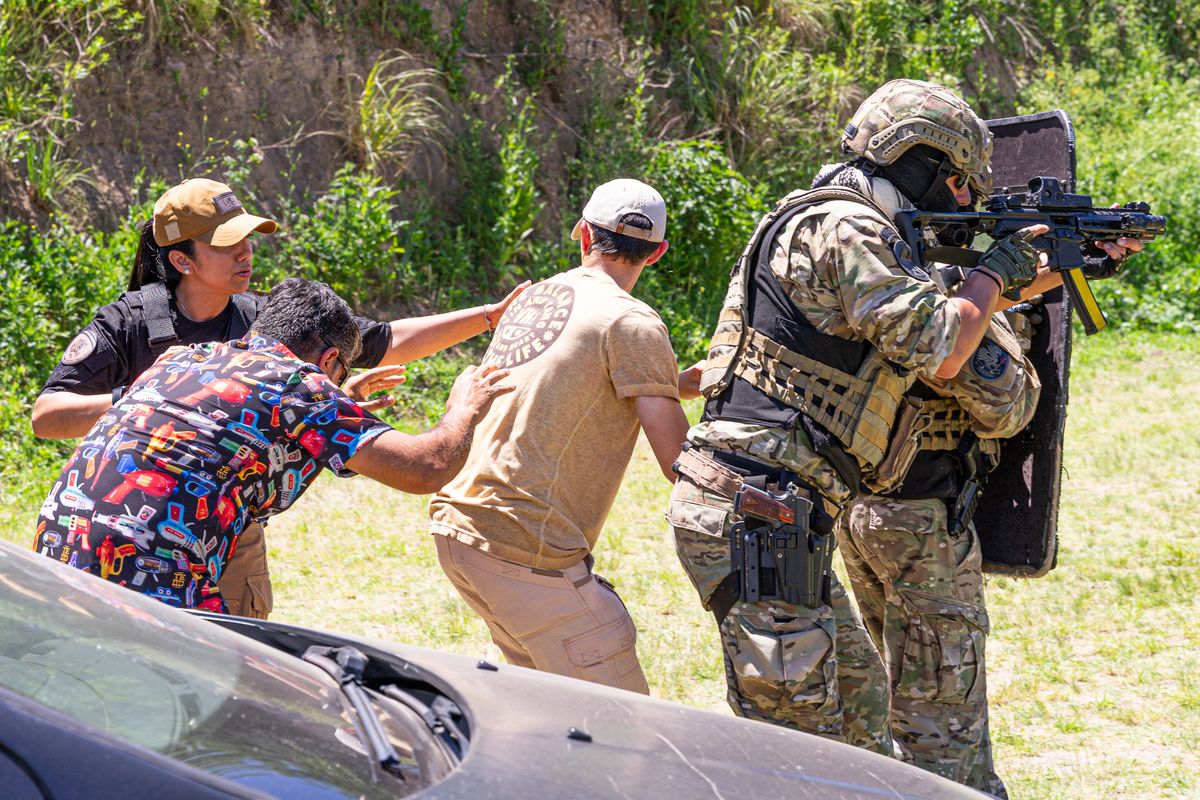
Military academies are built on a unique model: part military training ground, part research university. Civilian professors have been central to maintaining that balance for decades.
Unlike active-duty military instructors who often rotate assignments after a few years, civilian faculty members can spend decades developing expertise and guiding academic programs.
At institutions such as West Point and the Naval Academy, civilian professors teach subjects ranging from engineering and cybersecurity to history, ethics, economics and international relations.
The argument behind keeping civilian faculty is simple: future officers may need more than battlefield experience. They may need experts who have spent 10, 20 or even 30 years studying technology, international conflicts, law or strategic decision-making.
During congressional testimony, military academy leaders defended tenure as a recruitment and retention tool.
West Point leaders have argued that tenure helps attract highly qualified professors who might otherwise choose careers at major civilian universities. Naval Academy officials have similarly described tenure as valuable for competing for top academic talent.
The debate comes down to a difficult question: how can the military maintain strict accountability without losing the independent thinking required for complex warfare?
Military history provides several examples where questioning existing strategies proved essential. From Vietnam to Iraq and Afghanistan, commanders have repeatedly studied intelligence failures, planning mistakes, and changing battlefield conditions.
Supporters of academic freedom argue that those lessons require classrooms where difficult questions can be examined openly.
Pentagon Wants a “Line-by-Line” Review of Military Courses
The proposed curriculum review could become the largest examination of military education programs in recent history, potentially affecting hundreds of classes across multiple institutions.
Under the draft plan, Pentagon officials would conduct a detailed review of courses taught at service academies and senior military colleges.
The standard would be whether each class directly supports tactical, operational, or strategic warfighting.
That review could examine subjects ranging from military technology and combat strategy to broader areas such as history, leadership studies, and international affairs.
The challenge is defining what makes a course valuable to military readiness.
A cybersecurity class may have an obvious connection to modern warfare. A history course examining previous conflicts may appear less direct but could influence how officers understand strategy, diplomacy and military decision-making.
The U.S. military has increasingly emphasized new areas of warfare. Artificial intelligence, autonomous weapons, space operations and cyber defense have transformed the battlefield.
The Pentagon’s future workforce challenge is enormous. The Department of Defense employs more than 2 million military and civilian personnel, meaning officer education must prepare leaders for conflicts that look very different from those faced by previous generations.
The proposed review could lead to updated programs focused on emerging threats. It could also create controversy if courses are removed based on unclear definitions of military relevance.
Hegseth’s Push to Reshape Military Education Expands
The tenure debate is part of a broader Pentagon effort to redirect military education toward combat readiness and traditional warfighting priorities.
Since taking office, Defense Secretary Pete Hegseth has pushed for changes across military training and professional education programs.
The Pentagon has previously reviewed diversity-related programs, external academic partnerships and training standards as part of a wider effort to reshape military institutions.
Hegseth has argued that military schools should focus on producing leaders capable of winning future conflicts rather than adopting approaches he believes are disconnected from battlefield requirements.
The latest proposal would move beyond curriculum changes and directly affect how military academies manage their faculty.
That makes the issue more complicated.
Changing a course syllabus is different from changing employment structures that have existed for decades.
Military academies must balance several competing responsibilities:
- Preparing officers for combat.
- Maintaining academic accreditation.
- Recruiting highly qualified professors.
- Protecting lawful academic discussion.
- Ensuring taxpayers receive value from military education programs.
Each decision could have long-term consequences.
A policy that increases accountability while preserving academic quality could strengthen military education. A policy that reduces intellectual diversity could create new challenges for future commanders facing unpredictable conflicts.
Legal Questions Could Shape Whether the Plan Moves Forward
The biggest question may not be whether the Pentagon wants change, but how far it can go without triggering legal challenges.
Military academies have authority over faculty management, but existing professors may have employment protections created through contracts, regulations and institutional policies.
Ending future tenure appointments would likely be easier than changing the status of professors who already hold tenure.
Legal experts and lawmakers may examine whether the Pentagon has the authority to alter long-standing faculty arrangements immediately.
Congress has historically played a major role in military academy oversight. Lawmakers have established requirements for admissions, academic programs and institutional structures.
Any major changes could face scrutiny through congressional hearings and defense authorization debates.
The courts could also become involved, especially if faculty members argue that new policies violate existing rights or procedures.
Military Education Faces a New Era of Change
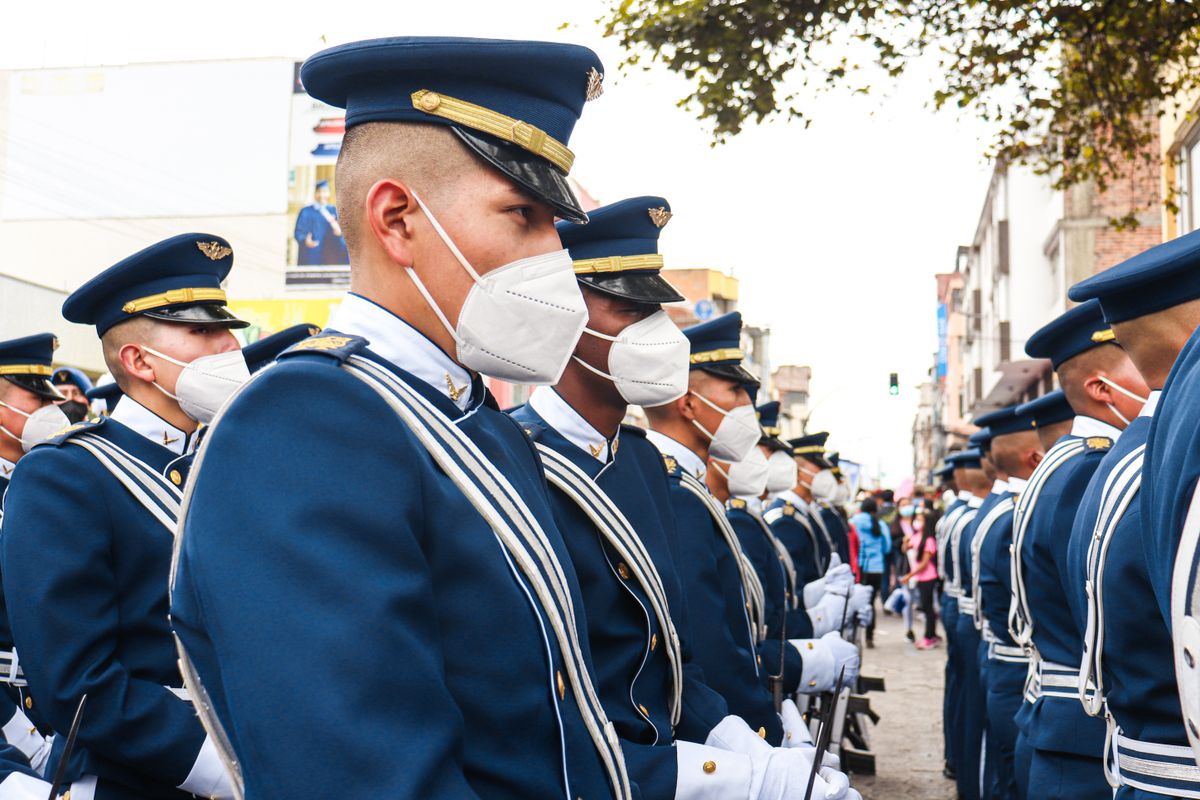
The Pentagon’s proposal represents a larger question facing military institutions worldwide: what kind of education produces the best commanders for future conflicts?
The battlefield has changed dramatically.
Modern officers must understand traditional combat operations while also navigating cyberattacks, artificial intelligence, misinformation campaigns, economic warfare and increasingly complex international alliances.
That reality has created pressure for military schools to evolve.
The Pentagon’s supporters say reform is necessary because the next generation of conflicts will demand different skills than previous wars.
Opponents argue that innovation requires intellectual freedom and that strong military organizations must encourage debate, research and critical thinking.
The outcome of this debate could influence military education for decades.
If approved, the Pentagon’s plan could reshape how professors are hired, how courses are evaluated and how future commanders are trained.
For now, the proposal remains a draft. But with 3 major service academies, 5+ military education institutions and thousands of future officers potentially affected, the fight over the future of military education is only beginning.
The central question is clear: should America’s military schools become more tightly focused on battlefield preparation, or does the nation’s defense require classrooms where officers can explore a wider range of ideas before they face decisions on the world stage?