Trump Administration Can Move to End Temporary Protected Status for Haitians and Syrians, Supreme Court Rules
For thousands of Haitian and Syrian families living in the United States, Thursday’s Supreme Court ruling was not just another Washington headline.
It was the kind of decision that can reach into homes, workplaces, schools, churches, and dinner tables. It could affect parents who have been legally working for years, children who have grown up in American neighborhoods, and families who believed they had at least some protection from being sent back to countries still marked by instability, violence, disaster, or war.
The Supreme Court ruled that the Trump administration can move forward with ending Temporary Protected Status for Haitians and Syrians, a major immigration decision that could expose hundreds of thousands of people to deportation risk unless they qualify for another form of legal protection.
The ruling is a major win for the Trump administration’s immigration agenda. It is also a painful blow for immigrant advocates, employers, families, and local communities that have relied on TPS holders as workers, neighbors, caregivers, business owners, and taxpayers.
What Happened
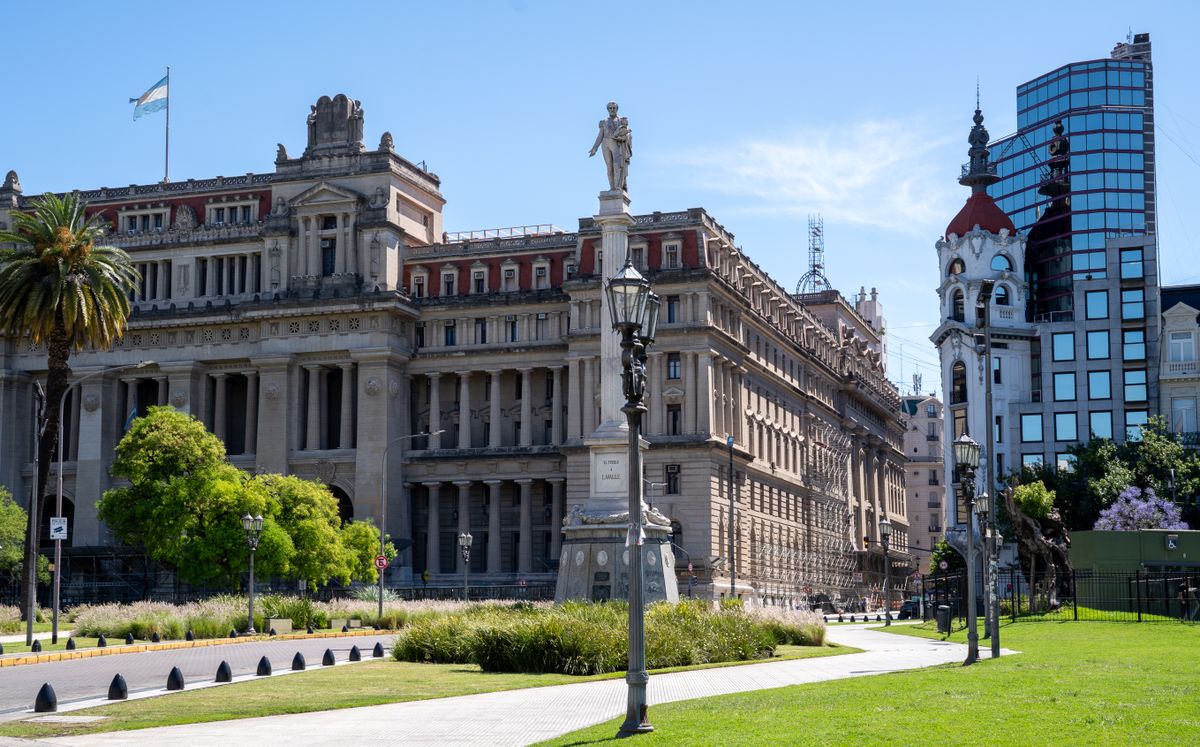
In a 6-3 decision, the Supreme Court sided with the Trump administration in its push to end deportation protections for Haitian and Syrian nationals who were living in the U.S. under Temporary Protected Status.
Temporary Protected Status, commonly known as TPS, allows people from certain countries to live and work legally in the United States when their home countries are deemed unsafe due to war, natural disasters, or other extraordinary conditions.
Haiti and Syria have both been covered by TPS because of long-running crises. Haiti has faced political instability, gang violence, economic distress, and the lasting effects of major disasters. Syria has been devastated by years of war and displacement.
But the Trump administration argued that TPS is meant to be temporary, not indefinite. The administration moved to terminate protections for both groups, saying the government had the authority to decide when the designation should end.
Lower courts had delayed the terminations while legal challenges continued. The Supreme Court has now reversed that protection, ruling that the challengers were not entitled to court orders postponing the end of TPS while litigation proceeds.
Why Families Are Worried
For affected families, the legal language may sound distant, but the consequences are immediate and personal.
TPS holders are not all newly arrived immigrants. Many have lived in the United States for years. Some have U.S.-born children. Many have jobs, mortgages, rent payments, businesses, school routines, and deep community ties.
Losing TPS can mean losing work authorization. It can mean losing protection from deportation. It can also create uncertainty for employers, schools, landlords, and families who depend on the income and stability of TPS holders.
For a parent, the question may become: Can I keep working? For an employer, it may become: will my employee still be authorized to stay? For a child, it may become: will my family be separated?
That is why the ruling matters far beyond the immigration court.
Why Local Communities Care
This decision could be felt most strongly in communities with large Haitian and Syrian populations. In cities across Florida, New York, Massachusetts, New Jersey, Michigan, California, and other states, Haitian and Syrian immigrants are part of local economies and neighborhood life. They work in health care, construction, food service, transportation, retail, elder care, and small businesses.
If a large number of TPS holders lose their work permits, local businesses could feel the impact. Families could face financial instability. Community organizations could see a rise in urgent requests for legal help, housing support, food assistance, and emergency planning.
For immigrant communities, the ruling may also deepen fear around routine activities such as going to work, renewing documents, attending appointments, or interacting with government agencies.
Supporters of the Trump administration’s position see the ruling differently. They argue that TPS was never intended to be a permanent immigration pathway and that the executive branch must have the authority to end temporary programs when it believes conditions no longer justify them.
That disagreement sits at the heart of the national debate.
Background And Context
Congress created TPS in 1990 as a humanitarian tool. The idea was simple: when people could not safely return home because of war, disaster, or extraordinary conditions, the U.S. could allow them to remain temporarily.
Over time, some TPS designations lasted many years because the conditions in certain countries did not improve quickly. That created a political fight over whether TPS remained temporary relief or had, in practice, become a long-term status for some communities.
The Trump administration has taken a much harder line on immigration enforcement since returning to office. Ending TPS for certain countries has been part of that broader strategy.
The Supreme Court’s ruling does not say Haiti and Syria are safe. It focuses on whether courts can stop the administration from ending TPS while lawsuits continue. The majority said the challengers were not entitled to such a postponement.
The dissenting justices disagreed, warning that the decision could leave vulnerable people exposed while serious legal questions remain unresolved.
What Happens Next
The ruling does not mean every Haitian or Syrian TPS holder will be removed immediately.
But it does allow the Trump administration to move forward with ending the protections unless another legal or administrative development changes the timeline. Affected immigrants may need to check their individual status, work authorization, renewal notices, and possible eligibility for other immigration relief.
Immigration lawyers and advocacy groups are expected to respond quickly with guidance for affected communities. Local governments and nonprofits in areas with large Haitian and Syrian populations may also prepare for increased demand for legal clinics and emergency support.
The larger court battles may not be fully over, but the immediate protection that had delayed the terminations has been weakened by the Supreme Court’s decision.
Why It Matters
This ruling matters because it shows how a single Supreme Court decision can reshape daily life for families who have been building their futures in the United States legally while under temporary protection.
For supporters of the decision, it restores executive authority over a program they believe had stretched too far beyond its original purpose. For critics, it places vulnerable people at risk of being sent back to countries still facing deep humanitarian crises. But for the families affected, the issue is not only political. It is practical.
It is about whether a father can keep his job. Whether a mother can renew her work permit. Whether children will keep living with both parents under one roof. Whether communities that have welcomed TPS holders for years will now watch neighbors face an uncertain future.
The Supreme Court has spoken. Now thousands of families must wait for the next notice, the next legal move, and the next decision that could determine whether the lives they built in America can continue.