9 Outrageous Ways Grocery Stores Are Tricking Americans Into Spending More
Every American knows this grocery store tragedy. You walk in for milk, eggs, bread, and maybe chicken, if the price doesn’t look like it needs its own payment plan. You promise yourself this will be a “quick trip.”
Then the automatic doors open, the bakery smells like warm cinnamon, the rotisserie chickens are glowing like they have been professionally lit for television, and suddenly your budget starts acting nervous.
By the time you reach checkout, your cart has chips, cereal, grapes that cost more than expected, two sauces you saw on sale, a candle you did not need, and one “healthy” snack that tastes like cardboard with ambition.
That is not just poor discipline. Grocery stores are designed to make you spend more. The layout, lighting, sales, loyalty apps, checkout lanes, and packaging all work together to turn a simple list into a long receipt.
That is why grocery stores tricking Americans into spending more feels so familiar. Most shoppers are not careless. They are walking through a store built to tempt them at every turn.
Essentials are spread out like a scavenger hunt.

Milk should be easy to find. Eggs should be nearby. Bread should not feel like it is hiding in another ZIP code.
Yet grocery stores often place essentials far apart, and that is where the trap begins. You enter for a few basics, but the store sends you on a slow walk past snacks, drinks, bakery items, seasonal displays, frozen meals, and end-cap deals that were never part of the plan.
That extra walking matters. The longer you move through the store, the more chances you have to add something “just because.” A quick milk run becomes a tour of temptation. One bag of chips lands in the cart. Then a sale item follows. Then something for dinner sounds easier than cooking what you already have at home.
The store does not need to force you. It only needs to make sure you see enough things before you leave.
The bakery smell hits before your budget can defend itself.
Few things weaken a grocery list faster than the smell of fresh bread. That warm bakery scent does not just make the store feel cozy. It makes shoppers hungry, nostalgic, and more willing to buy food they did not plan to buy.
Suddenly, cookies feel reasonable. Muffins feel necessary. A loaf of fancy bread feels like an act of self-care.
This is why the front of many stores feels so inviting. Flowers, produce, bakery cases, and bright displays help create a mood. You are not just shopping. You are being softened.
Hungry shoppers are easier to persuade. Tired shoppers are even easier. After work, after school pickup, or before dinner, that bakery section knows exactly when to strike. A grocery store wants you to feel comfort before you feel caution.
Sale signs make spending feel like saving.
A bright sale sign can make almost anything feel like a responsible choice. “Two for $6” sounds better than “$3 each.” “Buy one, get one 50% off” sounds like winning. “Member price” makes shoppers feel like they unlocked a secret deal.
The problem is that many of these offers push people to buy more than they came for. A deal is only a deal if you needed the item in the first place.
That is where many shoppers get caught. You buy two boxes of cereal because the sign made it feel smart. You grab extra soda because the sale ends soon. You stock up on snacks because the discount looks too good to pass up. Then half of it sits in the pantry until nobody wants it anymore.
The sale did not save money. It simply made overspending feel clever.
Big carts make normal shopping look incomplete.
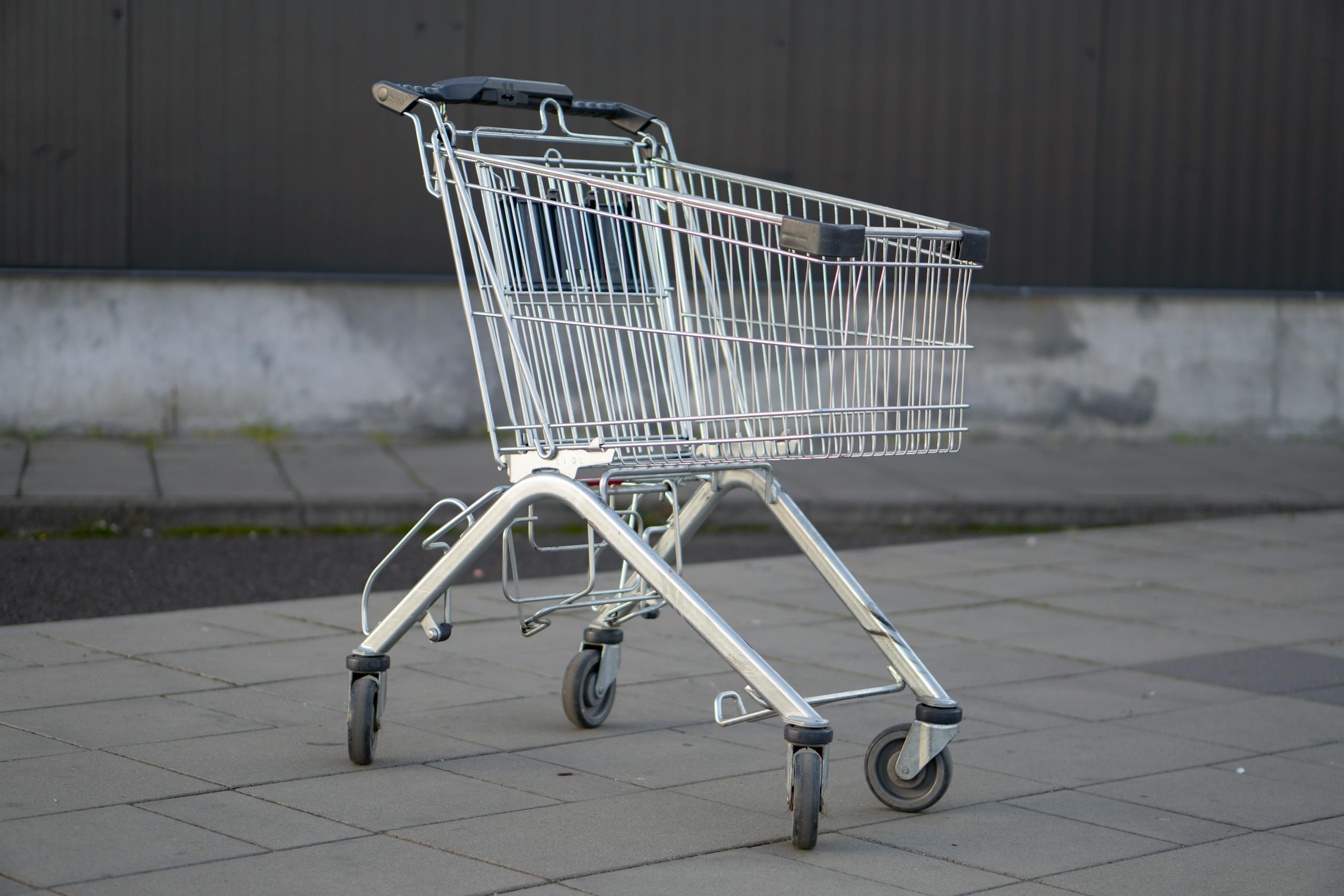
A half-empty cart has a way of judging you. You may have everything on your list, but the cart still looks lonely. There is too much empty space. It feels like you barely bought anything. So you add a frozen pizza. Then a case of drinks. Then a snack box. Then something from the seasonal aisle, because why not?
Large carts make extra spending easier by reducing friction. A basket makes you choose carefully. A big cart says, “There is room.” That room is dangerous.
Families may need large carts for weekly trips, and that makes sense. But stores also know that shoppers often spend more when there is space to fill. The cart becomes part of the psychology. It makes extra purchases feel normal before the receipt proves otherwise.
Checkout lanes attack when your willpower is tired.
The checkout lane is not innocent. By the time you get there, you have already compared prices, avoided some temptations, said no to three things, maybe handled a child asking for candy, and mentally prepared for the total.
That is when the store surrounds you with gum, chocolate, cold drinks, lip balm, batteries, protein bars, and tiny snacks that seem too small to matter. That is the genius of it.
Nobody thinks too deeply about a small candy bar after spending more than expected on groceries. A $2 or $3 impulse buy feels harmless. The problem is that those small choices add up, especially when they happen every week.
Self-checkout has not ended the trick either. Many stores still place tempting items nearby, close enough to grab while you scan, wait, or get annoyed by the machine accusing you of stealing a bag.
The checkout lane knows you are tired. That is why it waits until the end.
Shrinkflation hides the real price increase.
Sometimes the price does not go up. The package gets smaller. The cereal box looks familiar. The chip bag still has enough air to survive a road trip. The ice cream container still looks like a dessert. But there is less inside, and the unit price quietly gets worse.
This is one of the most frustrating grocery tricks because it makes shoppers feel like something has changed without being obvious. You think you are buying the same item. You are not. You are buying a smaller version of the same outfit.
Busy shoppers rarely have time to study every ounce, gram, and serving size. Stores and brands know this. They know many people shop fast, compare quickly, and trust familiar packaging.
That is why unit prices matter. The tiny shelf label often tells the truth that the big package tries to hide.
Loyalty apps turn saving into a game.

The grocery app looks like your friend. It offers digital coupons, member prices, fuel points, personalized deals, rewards, and cheerful little reminders that you could be saving more. Some of those savings are real. Plenty of families use loyalty apps wisely.
Still, the app has another job. It keeps you engaged. It sends you back into the store. It studies what you buy and offers deals that match your habits. If you always buy snacks, coffee, soda, frozen meals, or desserts, the app may keep tempting you to buy more of those items.
That feels convenient, but it can also keep spending patterns alive. The danger is letting the app build your list instead of the other way around. A coupon should support your plan. It should not create a new craving. A discount on something you did not need is still a form of spending.
“Healthy” labels make expensive items feel virtuous.
Americans are tired. They want to eat better, live longer, feel lighter, and pretend a busy Tuesday night dinner came from a thoughtful lifestyle plan.
Grocery stores know this.
That is why words like organic, natural, clean, high-protein, low-sugar, plant-based, gut-friendly, local, small-batch, and functional show up everywhere. Some labels matter. Others are vague enough to make a product feel healthier or more premium without providing much at a glance.
This trick works because people are not just buying food. They are buying reassurance. They want to feel like good parents, healthier adults, disciplined shoppers, or people who have their lives together despite the chaos waiting at home.
That feeling can get expensive. A cart fills with fancy drinks, premium snacks, wellness bars, probiotic products, and “better-for-you” treats, keeping the total rising.
Healthy choices matter. But a higher price tag does not automatically mean a smarter choice.
Bulk deals make overspending look responsible.
Buying in bulk can be smart. It can also be a trap to wear sensible shoes.
A family-size snack box, giant cereal bag, bulk meat pack, or oversized drink case can look practical because the unit price seems lower. For large families, that can help. For smaller households, it can create waste, clutter, and more eating simply because there is more food around.
The problem is not bulk buying. The problem is buying too much of the wrong thing. If the produce spoils, the savings disappear. If the jumbo snack pack makes everyone eat more than usual, the deal increases consumption. Even if the item was not on your list, the lower unit price still increased your bill.
Bulk shopping makes Americans feel prepared. Grocery stores like that feeling because prepared shoppers often buy more than they need.
The best question is simple. Will this actually get used, or am I buying a bargain that will die in the pantry?
Key takeaway
Grocery stores are not just selling food. They are selling moments of temptation.
The warm bakery smell, the big carts, the scattered essentials, the loud sale signs, the checkout snacks, the loyalty app, the premium labels, and the bulk deals all work together. None of it feels dramatic while it is happening. That is why it works.
One extra snack here. One sale item there. One “healthy” drink. One family-size pack. One checkout candy. By the time the receipt prints, the damage has already been done.
Americans are not foolish for spending more than planned. They are shopping inside a system designed to make restraint harder.
The good news is that the tricks lose power once you see them clearly. Take a list. Eat before you shop. Check unit prices. Treat sale signs like suggestions, not commands. Use loyalty apps only for items you already planned to buy.
A grocery store can still tempt you. It does not have to outsmart you.