10 Expensive foods that people associate with bad taste
Luxury food is a world where price tags often glitter more brightly than the flavors on the plate. Some of the most expensive delicacies on the planet carry a reputation for being acquired tastes or downright unappealing to many palates.
These foods are celebrated in elite culinary circles yet critiqued by everyday diners for flavors that feel odd, pungent, or just plain unpleasant. They stand as reminders that expense does not automatically equal deliciousness.
Here’s a look at ten of the most expensive foods that people commonly associate with a bad taste,and why regular eaters often balk at them.
Casu Marzu

Casu marzu has become infamous, even among adventurous eaters. This Sardinian cheese is produced by allowing cheese fly larvae to infest Pecorino, breaking down fats to create an extraordinarily soft texture. It fetches high prices due to its rarity and risky legal status.
To enthusiasts, the gooey cheese embodies complexity and terroir. To most people, however, the taste is overshadowed by the psychological and sensory shock of consuming maggots. The strong ammonia notes and the idea of wriggling larvae often turn diners away before the flavor can be judged on its own merits.
Fugu
Fugu’s reputation is rooted in danger: this Japanese delicacy can be lethal if not prepared correctly. Expert chefs painstakingly remove toxic parts, leaving behind translucent fish slices prized for texture rather than taste.
Many describe fugu as having a very subtle, almost watery flavor. Where other seafood dazzles with brine and richness, fugu offers restraint,sometimes perceived as bland. The thrilling buzz of eating something potentially poisonous is part of the draw, but for flavor alone, its high price often feels unjustified.
Bottarga
Bottarga,sun-dried, pressed fish roe, is a delicacy from Mediterranean regions like Sardinia and Sicily. It can cost hundreds of dollars per pound and is used in fine restaurants to add intense umami.
Yet for many people, bottarga’s taste is polarizing. Its saltiness is sharp and briny, and the fishy aroma can be overpowering. To uninitiated palates, eating bottarga can feel like consuming concentrated seawater with an aggressive punch rather than a nuanced flavor. Despite its revered status among chefs, casual diners frequently reject it.
Black Garlic
Black garlic isn’t bitter like raw garlic; instead, it’s sweet, soft, and molasses-like due to fermentation. It’s trendy and costly, especially when sold in artisanal batches.
The flavor, however, perplexes many. It carries a tangy-sweetness that resists easy comparison—think balsamic and licorice with an undercurrent of garlic. For some, this combo is heavenly. For others, it’s an odd, almost chemical sweetness that clashes with savory expectations. The price makes this strange flavor even harder to justify.
kopi Luwak
Kopi luwak is often cited as the world’s most expensive coffee. The beans are eaten and excreted by civet cats, then cleaned and roasted. The process supposedly mellows bitterness and adds richness.
Yet numerous tastings reveal that Kopi Luwak can taste muddy, musty, or flat compared to premium specialty coffees. Many coffee lovers openly prefer cheaper beans with clearer acidity and aroma. Because the high cost raises expectations, the underwhelming taste adds to Kopi Luwak’s controversial reputation.
Sannakji

In Korea, sannakji is served while the octopus tentacles still squirm. It’s prized for freshness and texture rather than flavor.
The experience is memorable for its kinetic chewiness, but many people find the taste remarkably minimal, and the suction-cupped bites can be more alarming than enjoyable. Textural shock overshadows any flavor nuance, and the high-end sushi world sometimes embraces it more for novelty than gastronomic delight.
Sea Cucumber
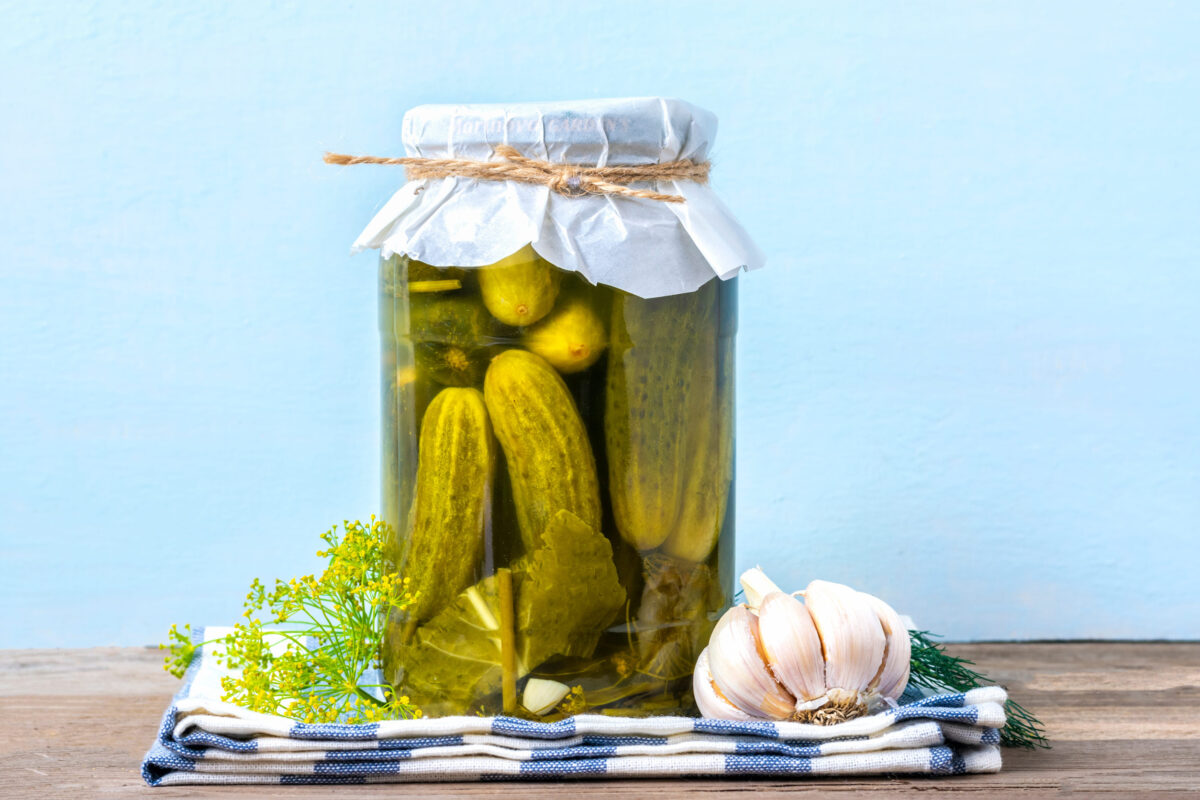
Sea cucumbers are expensive in many Asian cuisines, valued more for texture and supposed health benefits than for taste. Their gelatinous bodies are often served in soups or braised dishes.
For many Western palates, the texture,slimy and soft, registers as unpleasant. The flavor is often close to nothing at all. This combination of blandness and weird mouthfeel can make a pricey sea cucumber dish feel like a culinary misstep rather than an indulgence.
Bird’s Nest Soup
Made from the hardened saliva of swiftlets, bird’s nest soup is one of the most expensive soups in the world. It’s a status symbol in Chinese fine dining.
Yet taste tests reveal why so many diners find it disappointing: the slime-like nests have little flavor and are mainly appreciated for texture,gelatinous, almost like eating plain gelatin. Diners typically savor the rich broth, not the nests themselves. Critics often see the high cost as a cultural artifact rather than a reflection of taste.
Hákarl
Iceland’s hákarl is fermented Greenland shark, buried to ferment, and then hung to dry. It’s an expensive delicacy with deep cultural roots.
Descriptions of its taste vary from ammonia blast to pungent cheese gone wrong. For many outsiders, the aroma alone is unbearable,a potent blend of rotten fish and cleaning chemicals. Even adventurous eaters sometimes take only a courtesy bite. Its reputation for bad taste is so widespread that it often tops lists of foods best tried once, if at all.
Durian
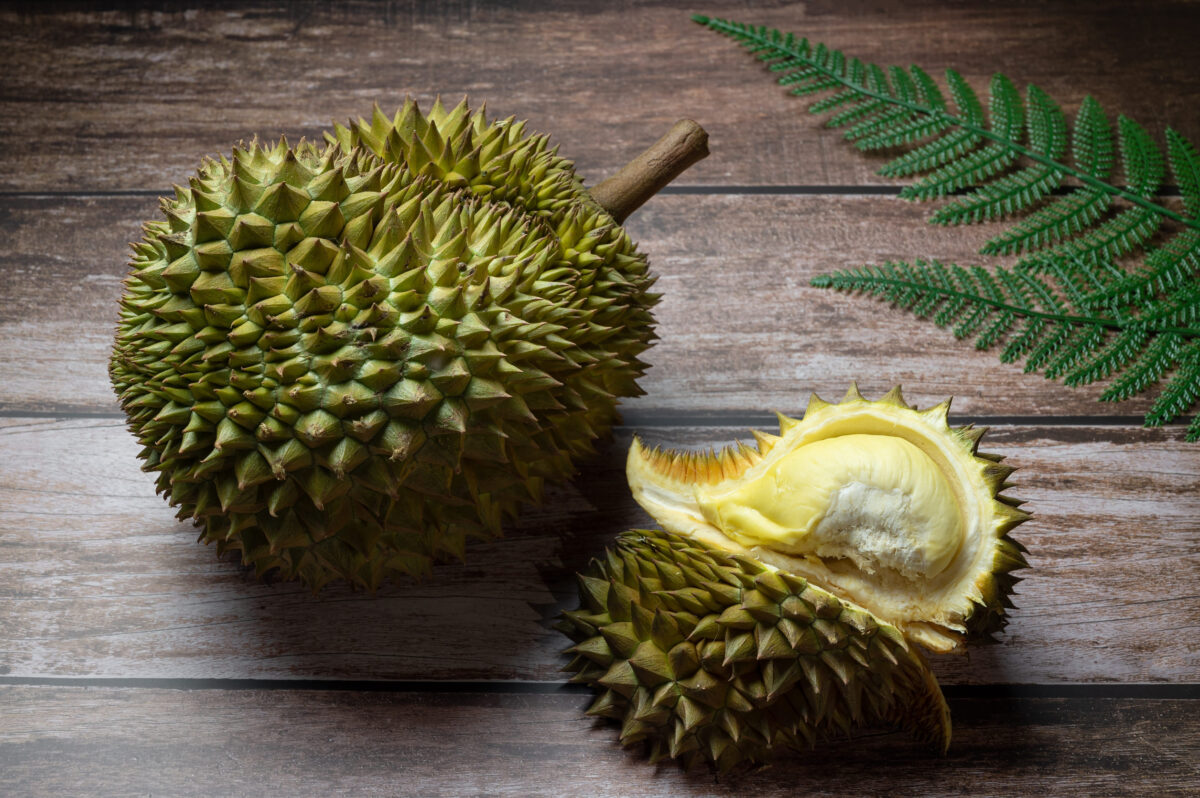
Durian isn’t expensive in every context, but certain premium cultivars fetch high prices. It’s beloved in Southeast Asia as the “king of fruits.”
Yet durian’s smell is famously divisive: rotten onions, gasoline, gym socks, and sweet custard all rolled into one pungent package. Hotels ban the fruit from lobbies. Tourists gag. Some people adore the creamy sweetness underneath the smell; others can’t get past the assault on their senses. Even costly high-grade durian struggles to win over skeptical eaters outside its home region.
Why Price and Taste Don’t Always Match
What all these foods share is a disconnect between cost and broad-based palatability. Price can reflect rarity, cultural value, labor-intensive production, or novelty, but it doesn’t automatically translate into universal deliciousness. In fact, foods that are expensive because they are rare or culturally significant often carry strong sensory profiles that many people dislike.
There’s a psychological twist, too. When people pay top dollar, they expect killer flavors—toothsome richness, balanced depth, irresistible aroma. When their first bite tastes pungent, slimy, fishy, or bland, the disappointment feels heightened by the cost.
Some people grow to enjoy these flavors; others never bridge the gap between appreciation and revulsion. That subjectivity makes these foods fascinating: they remind us that taste is personal, cultural, and deeply tied to expectation.
Conclusion
Expensive food doesn’t guarantee deliciousness. Some of the world’s priciest eats,like casu marzu, fugu, kopi luwak, and hákarl, are associated with bad taste not because they’re poorly made, but because they challenge the norms of flavor and texture that most palates rely on. Others, like bird’s nest soup and sea cucumber, deliver a subtle taste but unusual mouthfeel that can feel like a letdown when set against their sky-high cost.
These foods inhabit the intersection of luxury and acquired taste. They are treasures to some, curiosities to others, and downright unappealing to many. Whether it’s the pungency of fermented shark, the bizarre sweetness of black garlic, or the enigmatic allure of civet coffee, they show that extravagance in food isn’t always measured in pleasure alone,but sometimes in bravado and story.
Ultimately, expensive foods with bad reputations aren’t failures; they are conversation pieces. They push us to consider why we eat what we eat, how cultural context shapes taste, and why we honor certain foods even when our tongues recoil. In the world of high gastronomy, cost and flavor are related, but they are not the same—and that’s what makes this list as intriguing as it is controversial.