Before You Order Raw Clams, There’s One Food Safety Detail Worth Knowing
Clams can be delicious, but the way they are harvested, handled, and cooked matters far more than most people realize.
Fresh clams have something special about them. You can steam them with garlic and herbs, fold them into pasta, add them to a spicy broth, or serve them raw with lemon. But clams are also filter feeders, meaning they take in water as they feed, which matters when that water contains harmful microorganisms.
A hepatitis A outbreak in the United States has brought that food-safety issue back into focus, with health officials investigating illnesses potentially connected to imported frozen clams. The story reminds us that seafood safety begins long before the shell reaches your kitchen.
The Clam Outbreak Has Continued
What started as a relatively small investigation has become a multistate food-safety concern.
According to the latest Food Safety News report on the hepatitis A outbreak, the investigation involves illnesses potentially associated with frozen clams. The CDC reported 37 outbreak-associated illnesses from four states as of September 3, 2026, with cases identified in Massachusetts, Minnesota, New York and Pennsylvania.
Of the 37 people with hospitalization information available, 30—about 81 percent—had been hospitalized. No deaths had been reported at that point, although the CDC cautioned that the true number of illnesses could be higher because some people may recover without seeking medical care or may not be tested.
Why Raw Clams Can Be Riskier
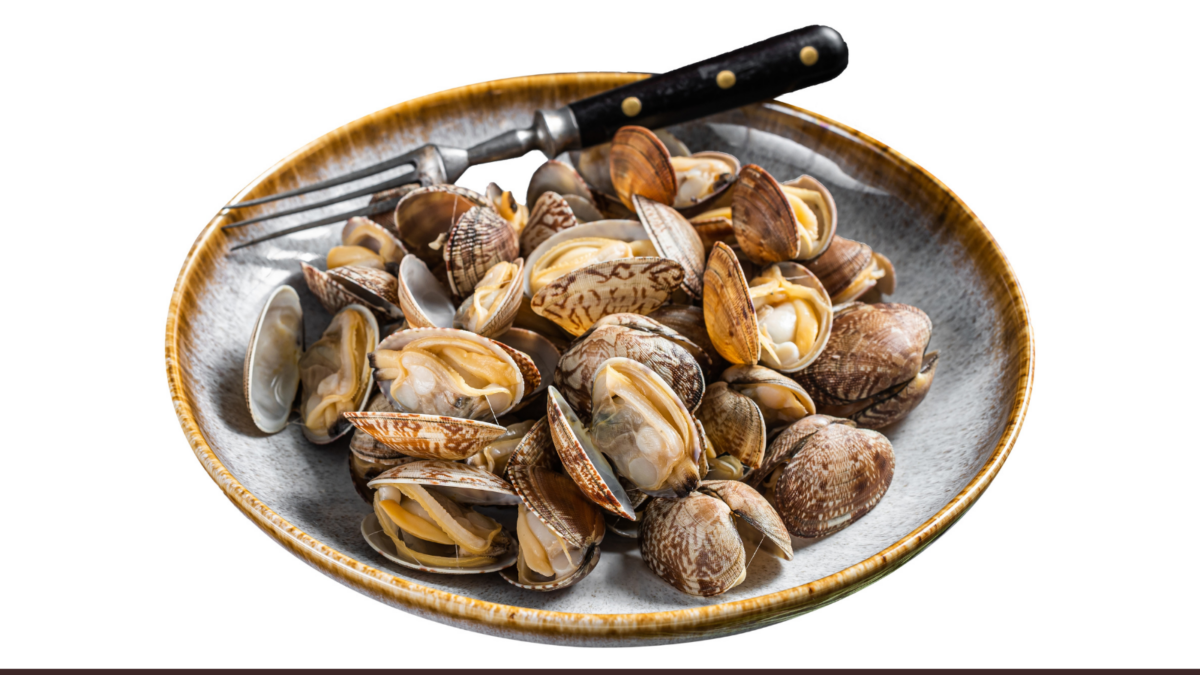
The same biology that makes clams fascinating can also make contaminated shellfish a food-safety challenge.
Clams and other bivalves filter water through their bodies to obtain food. If the surrounding water contains hepatitis A virus or another contaminant, the shellfish can accumulate it. This is one reason raw or undercooked shellfish has long been associated with foodborne illness concerns.
In this outbreak, the CDC found that 77 percent of interviewed patients reported eating ceviche, 76 percent reported eating raw or undercooked shellfish, and 47 percent reported eating raw or undercooked conchas negras, or black clams. Those reported exposures were higher than expected when compared with FoodNet population survey data, supporting the investigation’s focus on raw or undercooked clams.
The Product Under Investigation
One particular type of clam has become central to the investigation.
The FDA has warned consumers not to eat, serve, or sell La Serranita-brand concha negra shell meat from Ecuador. The product was sold frozen in 16-ounce plastic packages. It was distributed to restaurants and retailers in Connecticut, Massachusetts, New Jersey, New York, Ohio, and Pennsylvania, with the possibility of further distribution.
The FDA’s safety alert for the recalled shell meat says potentially contaminated products should be discarded or destroyed through the distributor. Importantly, food contaminated with hepatitis A virus can look, smell, and taste completely normal.
That is why you cannot rely on your senses to determine whether a suspect food is safe.
Hepatitis A Doesn’t Always Announce Itself Quickly
One of the trickiest things about hepatitis A is that someone can eat contaminated food and feel perfectly fine for weeks.
The CDC says symptoms generally appear two to seven weeks after exposure. Possible symptoms include tiredness, nausea, vomiting, stomach pain, diarrhea, fever, loss of appetite, dark urine, pale or clay-colored stools, and yellowing of the skin or eyes.
The CDC’s hepatitis A information also explains that hepatitis A is a liver infection caused by the hepatitis A virus and can spread through contaminated food or drinks as well as close personal contact. Vaccination provides an important form of prevention.
Cooking Changes the Conversation
For people who love clams, the issue isn’t that clams suddenly belong off the menu—it is how they are handled and prepared.
Cooking seafood thoroughly is one of the most practical ways to reduce the risk of foodborne illness. Raw or barely cooked shellfish carries more risk than properly cooked shellfish, which is why public health agencies frequently advise extra caution around raw seafood.
At home, basic safe food habits also matter: keep raw seafood separate from ready-to-eat foods, wash hands and utensils after handling it, and refrigerate seafood promptly. These small steps are especially important when preparing shellfish for several people.
Clams Are Still Worth Enjoying
A food-safety warning doesn’t erase the culinary appeal of clams—it just makes responsible sourcing and preparation more important.
Clams remain wonderfully versatile. Steam them with garlic and parsley, simmer them in tomato broth, toss them through pasta, or combine them with other seafood in a hearty stew. If you want to experiment with different ingredients and everyday foods, clams can take on everything from chili and coconut milk to lemon, white wine, and fresh herbs.
The important takeaway from the current outbreak is not to panic about every clam you see. Instead, watch for recalls and public health alerts, know where your seafood comes from, and be especially cautious about raw or undercooked shellfish.
Would you still order raw clams at a restaurant, or does this outbreak make you prefer thoroughly cooked shellfish?