7 Uncomfortable Reasons More Women Are Saying No to Motherhood
Motherhood used to be sold like a final chapter every woman was supposed to reach. First came love, then came marriage, then came the baby carriage, and nobody asked what happened if the woman looked at the carriage and thought, “No, thank you.”
Today, more women are stepping off that old conveyor belt with clear eyes and steady voices. They are not running from responsibility. They are refusing a life they know they do not want.
The loudest critics often reach for the easiest insult. They call childfree women selfish, shallow, cold, bitter, or too obsessed with their bodies. That story is convenient because it lets society avoid the bigger questions.
Why does motherhood still cost women so much? Why do mothers carry so much invisible labor? Why are women expected to gamble with their health, money, time, and identity to prove they are “complete”? The answer is not vanity. The answer is reality.
The Price Tag of Motherhood Feels Like a Trap
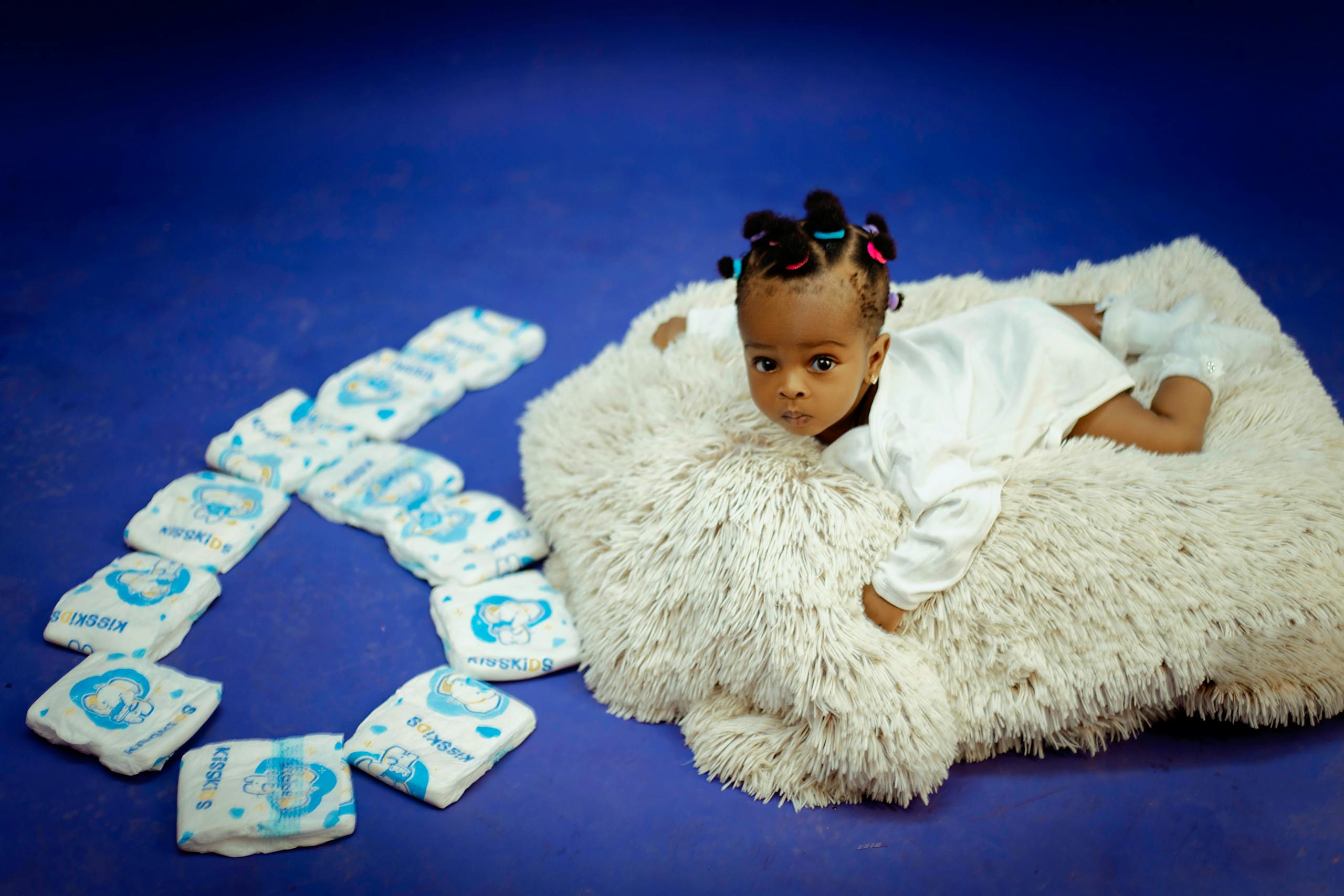
A baby may arrive small, but the bills do not. Child care, rent, groceries, health insurance, diapers, school supplies, transport, and emergency costs can turn parenthood into a financial cliff.
Many women look at the numbers and realize love alone will not pay for daycare. They are not rejecting children because they want champagne brunches and designer bags. They are rejecting a setup in which a single beautiful choice can create years of financial pressure.
This is one of the most honest reasons behind the childfree decision. Many women have watched their parents work full-time and still feel broke, tired, and cornered.
They have seen mothers calculate whether returning to work makes sense after child care eats half the paycheck. They know that raising a child in today’s economy requires more than good intentions. So they choose stability over struggle, and that choice deserves respect.
Pregnancy Is Not a Cute Side Quest
Society loves the glowing-belly version of pregnancy, but women know the less polished truth. Pregnancy can bring pain, complications, medical fear, body changes, birth trauma, postpartum depression, and a long recovery.
Some women do not want to put their bodies through that. That does not make them vain. It makes them honest about the fact that pregnancy is not just a sweet announcement photo.
The body is not a public resource. A woman has the right to decide what risks she is willing to take with her health. She can fear childbirth without being dramatic. She can avoid pregnancy without hating babies.
She can say no to a physical experience she does not want, even if other people think motherhood should be worth every cost. Her body is not a sacrifice society gets to demand.
The Mental Load Looks Like a Life Sentence
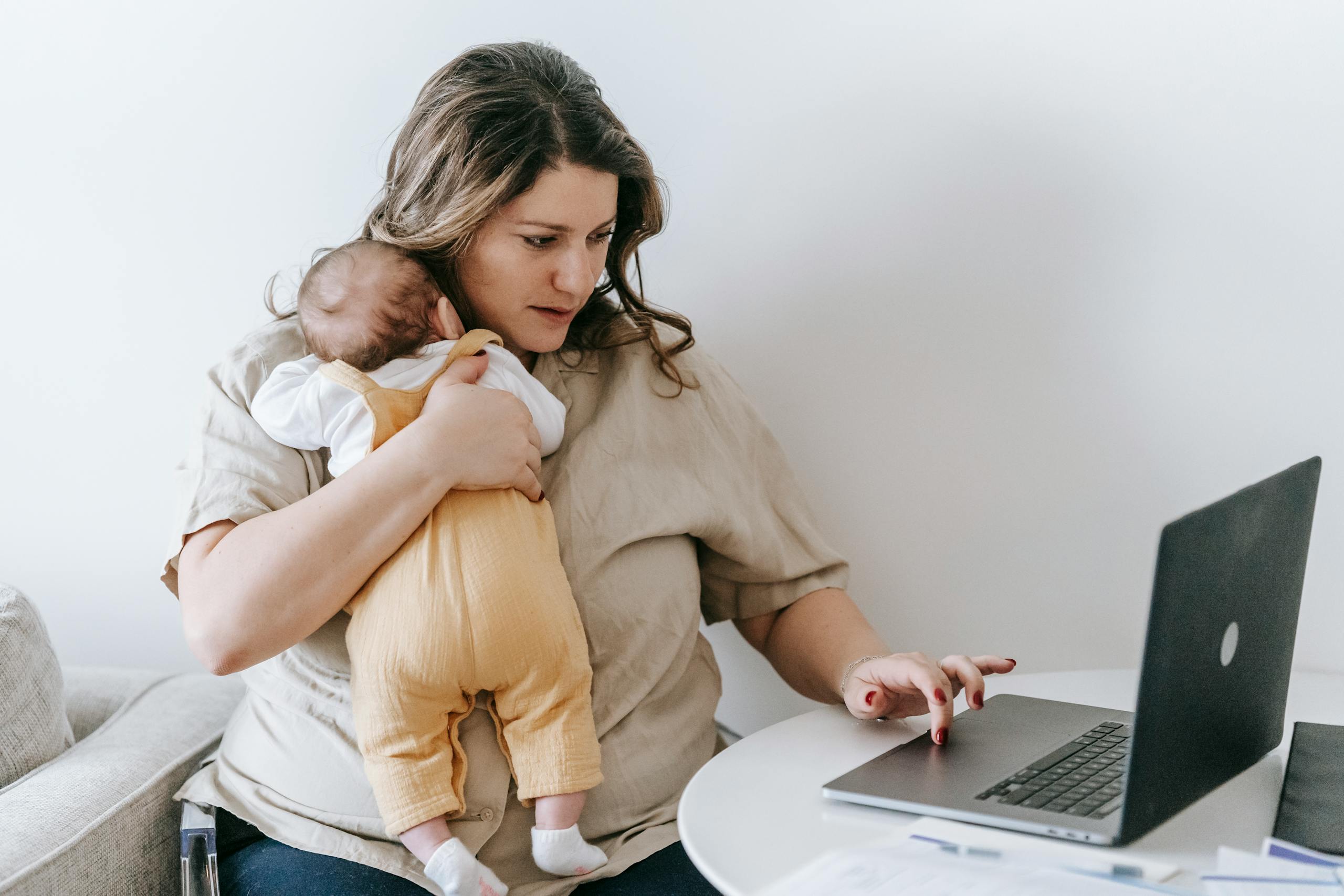
Motherhood is often described as love, joy, and purpose, but many women also see the unpaid project management work beneath it.
Mothers remember appointments, pack lunches, plan birthdays, track school emails, notice when socks no longer fit, schedule checkups, manage emotions, and keep the household machine running.
Even in homes with “helpful” partners, women often become the family’s default brain. That kind of pressure is not small. It can swallow a person whole.
This is why some women hear the word “motherhood” and do not picture soft lullabies. They picture exhaustion with a smile glued on top. They picture being praised as strong while getting very little real support.
They picture losing quiet, sleep, freedom, and personal space under a mountain of invisible work. Choosing not to become a mother can be a refusal to enter a role that still expects women to give until they disappear.
The World Feels Too Unstable to Add a Child to It
Some women are not just thinking about baby names. They are thinking about rent, climate anxiety, school safety, political tension, health care access, and the kind of future a child may inherit.
That may sound heavy, but parenthood is heavy. Bringing a child into the world is not the same as buying a houseplant and hoping for the best. It is a lifelong promise made in a world that feels increasingly unpredictable.
For these women, saying no to children is not doom and gloom. It is a responsibility in another form. They are asking hard questions before making an irreversible choice.
Can I offer child safety? Can I offer peace? Can I offer stability without destroying myself? When the answer feels uncertain, they step back. That decision is not selfish. It is serious.
Reproductive Rights Have Turned Pregnancy Into a Bigger Gamble
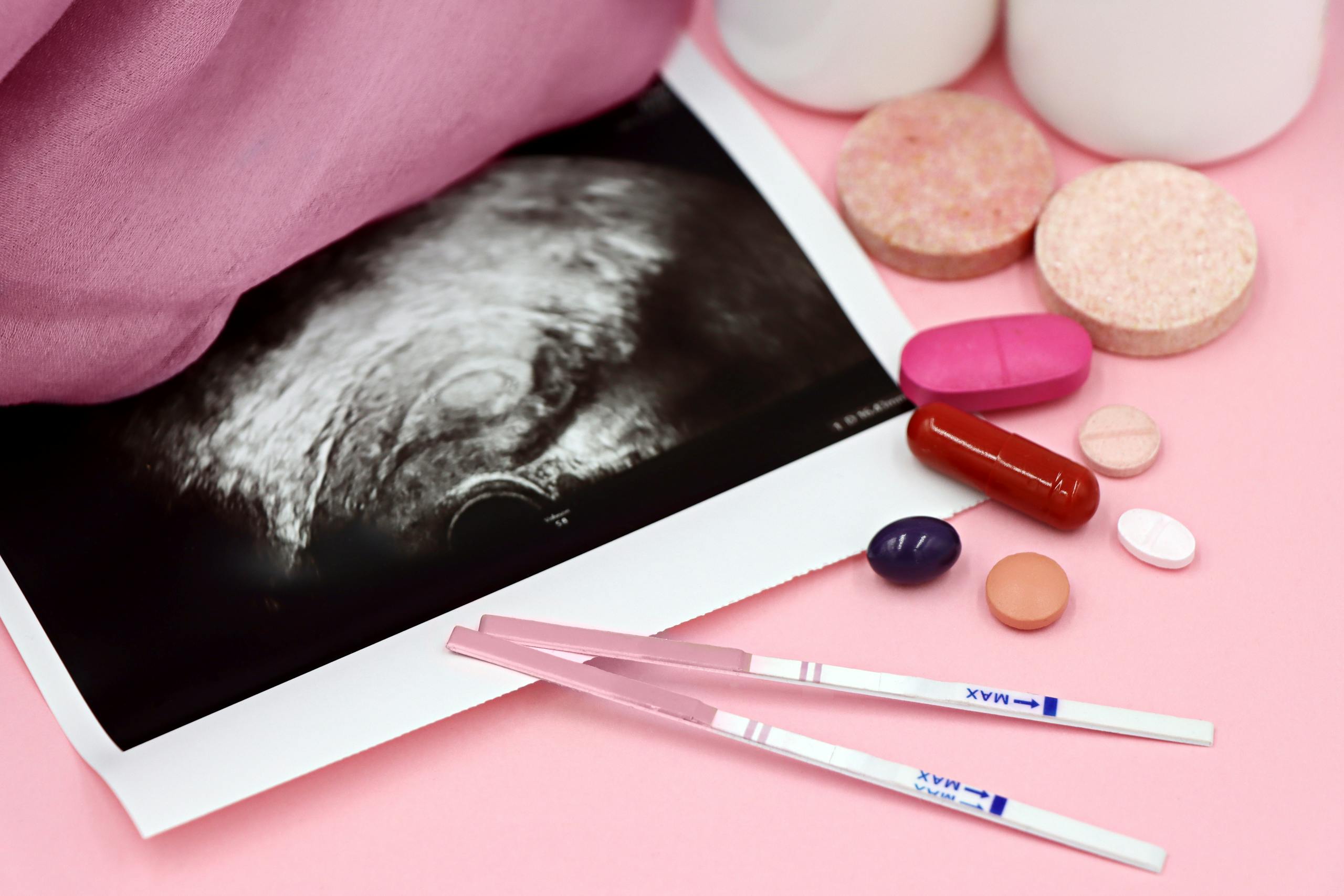
Pregnancy has always carried risk, but in many places, reproductive laws have made that risk feel even more frightening. Women now think about what might happen during a miscarriage, a medical emergency, or a pregnancy complication.
They think about whether doctors will be able to act quickly. They think about whether the law will respect their body when something goes wrong.
That fear is not abstract. It shapes real decisions. Some women decide they do not want to enter a system where their health choices may be limited, delayed, judged, or controlled. This is where the vanity argument completely falls apart.
Avoiding pregnancy under uncertain reproductive laws is not shallow. It is a rational response to a system that can make women feel unsafe inside their own bodies.
The “Have It All” Fantasy Has Lost Its Shine
For years, women were told they could have it all, but many discovered the fine print. “Having it all” often means working as if they do not have children and mothering as if they do not have jobs.
It means building a career, caring for a home, managing a relationship, staying attractive, being emotionally available, and acting grateful for the chaos. No wonder some women looked at the package and declined delivery.
Ambition is not the enemy of motherhood, but women should not have to apologize for wanting a life centered on their own goals. Some want to travel, study, build businesses, create art, care for friends, enjoy quiet mornings, or pursue careers without the constant tug of parental duty.
That is not a failure of femininity. That is a woman choosing her own definition of success before society writes one for her.
Childfree Women Are Tired of Being Treated Like Unfinished People
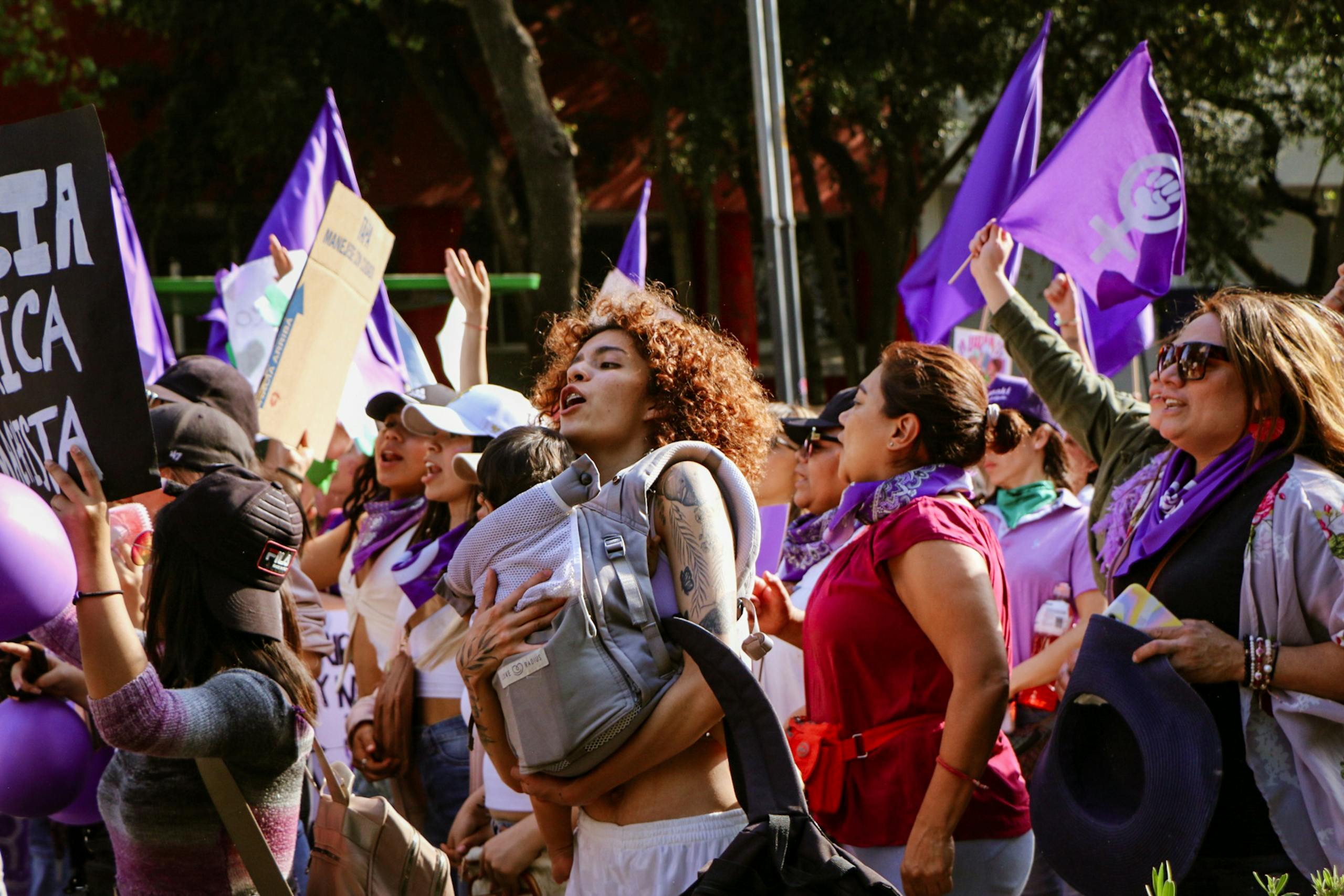
A woman without children is still whole. That sentence should not sound radical, yet it still does in many rooms. People ask when she will change her mind, who will care for her when she is old, and what her purpose will be without children.
The questions often arrive wrapped in concern, but they carry the same old message. A woman’s life is treated as incomplete unless she becomes someone’s mother.
More women are refusing that script. They are building full lives through friendships, careers, romance, creativity, community, travel, faith, mentorship, and rest. Some adore children and still do not want their own.
Some love their nieces, nephews, students, or neighbors deeply. They are not anti-child. They are anti-pressure, anti-assumption, and anti-living a life built to satisfy everyone else.
Conclusion
Women are not rejecting motherhood because they are too vain to raise children. They are rejecting it because they have finally been allowed to tell the truth.
Motherhood can be beautiful, but it can also be expensive, risky, exhausting, limiting, and unsupported. Pretending otherwise does not honor mothers. It only pressures more women into a role they may not want.
The childfree choice is not a rebellion against family. It is a demand for honesty. Some women want children with their whole hearts. Some women do not want them at all. Both choices can be thoughtful, loving, and mature.
The real problem is not that more women are saying no to motherhood. The real problem is that society still struggles to hear a woman say no and believe she means it.