No Donut Pan? No Problem: These Apple Cider Treats Bake Right in Your Muffin Tin
You can make apple cider donuts at home without buying another baking pan or heating a pot of frying oil. Baker and cookbook author Sally McKenney’s recipe includes a muffin-tin option that turns the same spiced batter into cinnamon-sugar-coated donut muffins. A standard 12-cup pan produces about 10 to 12, while a mini muffin pan makes smaller, donut-hole-style bites. They will not have the familiar ring shape, but they deliver the recipe’s cakey texture and sweet coating.
The bigger trick happens before the batter reaches the pan: reduce apple cider on the stove to concentrate its flavor. McKenney starts with one and one-half cupsand simmers it down to one-half cup, giving the batter apple flavor without adding excessive liquid. Between that reduction, the spices, and the buttery sugar finish, the shortcut is about equipment not skipping the steps that make the recipe work.
The Best Apple Flavor Starts in a Saucepan
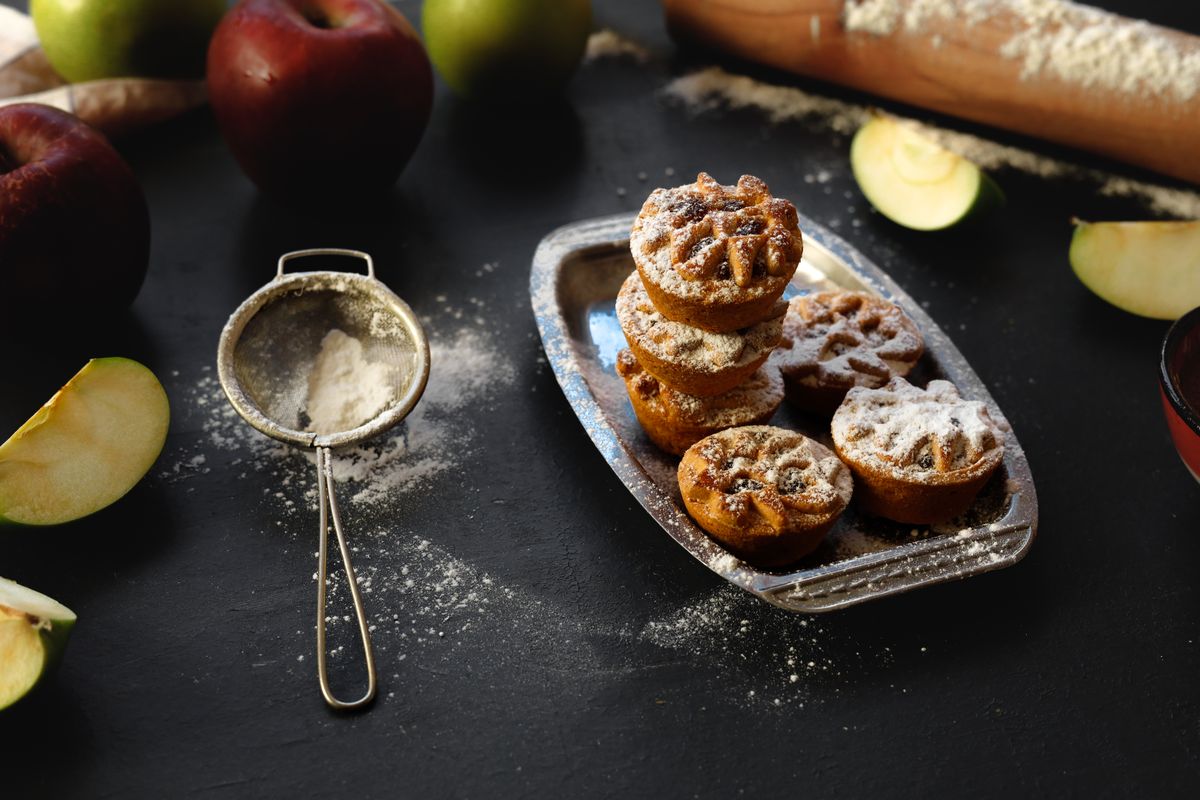
McKenney, the baker, food photographer, and bestselling author behind Sally’s Baking, describes these donuts as “cakey, dense, and intensely flavored.” That is a useful expectation to set before baking. This isn’t a yeast-raised donut with a light, airy interior, and baking it in a muffin pan won’t make it identical to a freshly fried orchard donut. It is a baked, cake-style interpretation with a substantial, moist crumb.
“The trick to apple cider donuts is to flavor them with concentrated apple cider,” McKenney writes. Her method is straightforward: pour 1 1/2 cups of apple cider into a small saucepan and simmer over low heat, stirring occasionally. Start checking the volume after 10 minutes, then continue checking until one-half cup remains. She reports that her reduction takes about 20 minutes, but the target is the final volume, not an exact minute count, .
Let the reduced cider cool for 10 minutes before adding it to the batter. If spices or solids collect on its surface, the recipe says to leave them in. You can also complete the reduction the night before, an option McKenney recommends for a less hectic morning. That moves one stage out of the breakfast rush without changing the recipe’s flavor-building technique or requiring you to prepare the entire batter ahead.
The ingredient is apple cider, not apple cider vinegar. The recipe links to a homemade apple cider drink and also allows store-bought cider; it doesn’t call for the sharply acidic vinegar used in dressings and marinades. That distinction is worth checking before you measure, especially when both bottles are in the kitchen. The cider reduction is the recipe’s apple component, so substituting a different product would change the formula.
Related: 11 Thoughtful Things to Bring a Grieving Family Instead of Flowers
Mix the Batter, Then Let Your Muffin Pan Do the Work
For the dry mixture, whisk together 2 cups all-purpose flour, 1 teaspoon baking soda, 3/4 teaspoon baking powder, 1 teaspoon ground cinnamon, 1 teaspoon apple pie spice, and 1/4 teaspoon salt. The flour is also listed as 250 grams, so you can weigh it if you use a kitchen scale. Set that bowl aside while you combine the remaining batter ingredients.
In another bowl, whisk two tablespoons melted unsalted butter with one large room-temperature egg, one-half cup each of packed brown sugar and granulated sugar, one-half cup room-temperature milk, and one teaspoon vanilla extract. Pour this mixture into the dry ingredients, add the cooled cider reduction, and whisk until smooth. McKenney notes that the batter will be slightly thick; that texture is expected, not a sign to add more milk.
For the no-donut-pan version, heat the oven to 350°F. Grease a standard muffin pan or use paper liners, then fill each cup about three-quarters full. Bake for approximately 18 to 20 minutes, checking that a toothpick inserted into the center comes out clean. This timing comes from the recipe’s specific muffin adaptation; the shorter 10-to-11-minute instructions elsewhere on the page are for ring-shaped donuts and should not be used interchangeably.
If you prefer smaller bites, grease a mini muffin pan and fill its wells about three-quarters full. McKenney gives an approximate baking time of eight to nine minutes at 350°F for that option. The recipe does not provide a specific mini-muffin yield, so there is no dependable published count to promise. Choose the size based on your pan, then follow the corresponding directions rather than borrowing timing from another apple-cider recipe.
The Cinnamon-Sugar Finish Makes Them Feel Like a Treat
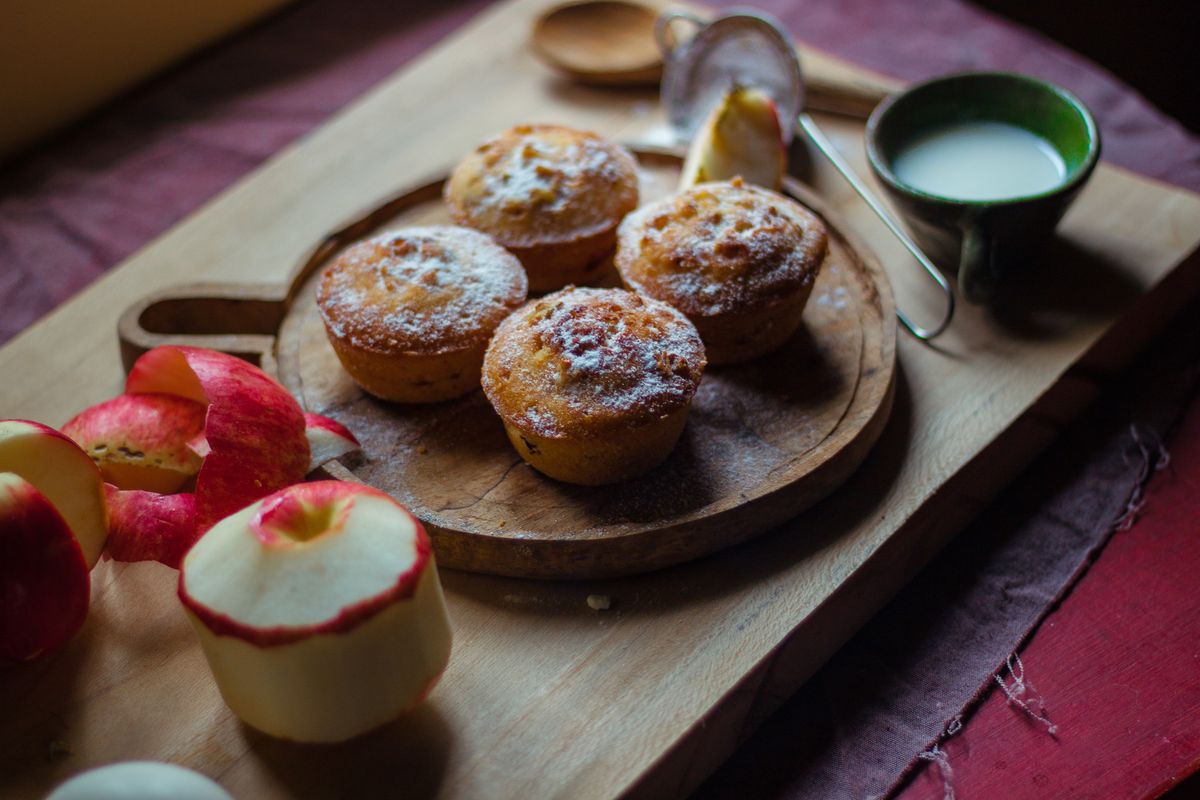
The topping calls for 1 cup granulated sugar, 3/4 tsp each of cinnamon and apple pie spice, and 6 tbsp melted unsalted butter. Combine the sugar and spices in a bowl. Once the baked treats are cool enough to handle, use the butter and spiced sugar to coat them, following the recipe’s finishing method. The butter has a practical job: it helps the sugar mixture adhere instead of sliding off.
No apple pie spice in the cupboard? McKenney provides a homemade ratio of four parts cinnamon, two parts nutmeg and one part cardamom. She also permits dairy or nondairy milk, noting that she usually uses buttermilk. Plain yogurt or sour cream can replace the milk for a denser crumb. These are author-supported options, but they don’t guarantee an identical texture with every substitution.
The recipe card lists about one hour total for the ring-shaped version, including the cider preparation. Standard muffins take longer to bake, so do not advertise the muffin adaptation as an exact one-hour guarantee. Reducing the cider ahead helps, but you still need to account for cooling, portioning, and coating. The appeal is a manageable baking project with familiar tools, not a claim that the treats appear instantly because the pan is already in your cupboard.
McKenney says the donuts are best served immediately, with leftovers tightly covered for up to two days at room temperature or five days in the refrigerator.Her recipe also lets you freeze them, coated or uncoated, for up to two months. Whether you bake full-size muffins or smaller bites, the attraction stays simple: concentrated cider, warm spices, and a cinnamon-sugar finish, without a special ring-shaped pan standing between you and the baking.
Other Post You Might Also Like
.15 Things to Write in a Sympathy Card When You Don’t Know What to Say
.10 Things Not to Say to Someone Who Is Grieving — and What to Say Instead
.What Grieving People Say They Actually Needed in the Weeks After a Loss