11 Rudest Restaurant Tipping Habits You Might Not Even Realize You’re Guilty Of
Most people know that leaving nothing for a restaurant server can be considered disrespectful in many American full-service restaurants. But tipping etiquette goes beyond deciding whether to leave 15%, 18%, or 20%.
Sometimes, the rudest tipping habits happen before the bill even arrives. A customer might leave a generous tip but behave in ways that make the gesture feel less thoughtful. Someone else might believe they are being perfectly reasonable while unknowingly putting a server in an uncomfortable position.
And with tipping screens appearing at coffee shops, restaurants, takeout counters, and other businesses, the subject has become increasingly contentious. Customers feel pressured to tip everywhere, while workers often depend on tips as part of their income.
Here are 11 restaurant tipping habits that might be ruder than people realize.
Leaving a Tip Made Entirely of Loose Pennies
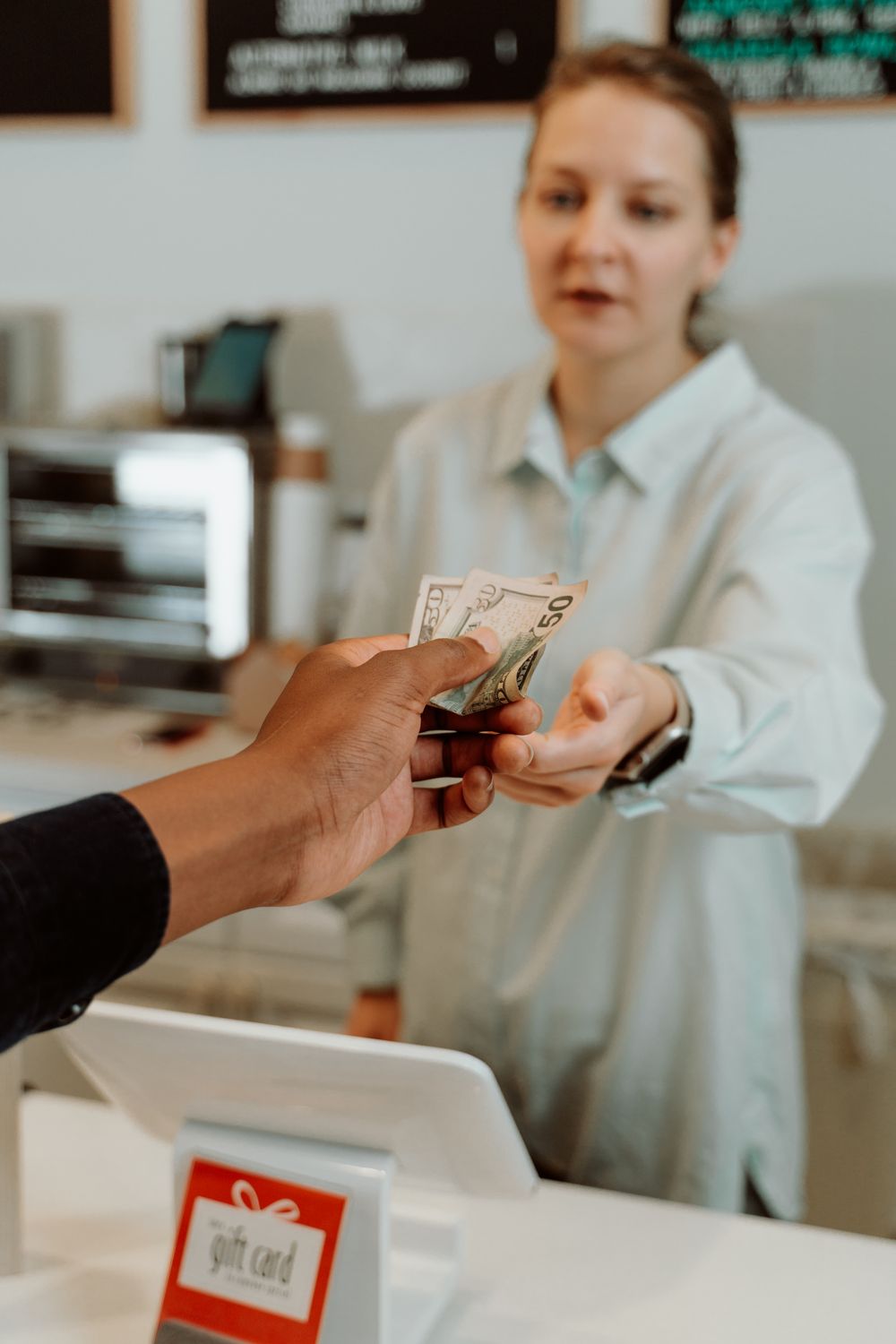
Imagine spending an entire meal serving a table, answering questions, refilling drinks, and checking whether everything is satisfactory, only to discover a pile of loose pennies left behind.
Some customers consider leaving small coins a humorous statement about the service. Others may genuinely believe they are leaving something rather than nothing.
But deliberately leaving an insulting collection of coins can come across as humiliating. If the service was genuinely poor, telling management is usually more constructive than turning the tip into a joke.
Related: 10 Common Behaviors You Didn’t Know Were Survival Instincts
Making the Server Wait Until the Very Last Second
Some diners keep their money or card hidden until the server has returned several times to ask whether they are ready to pay.
Others finish their meal, sit chatting for another hour, and only begin looking for their wallets when the server approaches again.
There is nothing wrong with enjoying a meal without rushing. However, deliberately making payment unnecessarily difficult can create an awkward situation, particularly during a busy shift.
A little awareness of the people working around you can make checkout much smoother.
Promising a Big Tip to Get Special Treatment
“Take care of us, and we’ll take care of you.”
Servers hear variations of this promise, especially when customers want extra attention, special accommodations, or unusually fast service.
The problem arises when the promised generosity never appears. A server may spend extra time at that table, only to find the customer left an ordinary tip or nothing at all.
A tip should reflect the service and the customer’s decision, not become a promise used to manipulate someone into working harder.
Leaving a Terrible Tip Without Explaining What Went Wrong
Sometimes service really is disappointing. Food arrives late, an order is incorrect, or a server appears inattentive.
Customers have every right to be unhappy. But leaving an unusually small tip without communicating the problem can leave the server guessing about what happened.
Was the issue the food? The kitchen? A long wait caused by understaffing? Or something the server could actually have corrected?
If something goes wrong, calmly explaining the issue gives the restaurant an opportunity to address it. Not every problem is the server’s fault.
Writing Insults on the Receipt Instead of Leaving Feedback
Some customers use the receipt to deliver a personal attack disguised as feedback.
Instead of simply leaving an appropriate tip or speaking to a manager, they write comments criticizing the server’s appearance, attitude, personality, or work ethic.
Constructive feedback can be useful, but personal insults are unnecessary.
A restaurant employee is there to do a job, not to become a target for a customer’s frustration.
Related: 10 American Things Americans Didn’t Know Were Exclusively American
Assuming the Tip Automatically Belongs to the Person Who Took Your Order
In many restaurants, tips are shared through arrangements commonly called tip pooling or tip-outs. Depending on the restaurant, other employees may receive a portion, including bartenders, bussers, and food runners.
That means a customer who believes their entire tip goes directly to one server may not understand how the restaurant distributes gratuities.
This is one reason it is worth understanding the establishment’s tipping arrangement before assuming who gets what.
Tipping Generously in Front of Everyone but Leaving Very Little
Some diners make a big show of talking about how generous they are. They announce that they always take care of restaurant workers, discuss how much they intend to leave, and make sure everyone at the table hears them.
Then the final amount on the receipt tells a different story.
There is nothing wrong with being generous, but turning a tip into a public performance can feel uncomfortable, especially when the amount doesn’t match the promises.
Quiet generosity is often more meaningful than announcing it.
Punishing the Server for Something Completely Outside Their Control
A restaurant experience involves several people. The kitchen prepares the food, hosts manage seating, managers oversee operations, and servers coordinate the dining experience.
Sometimes the kitchen gets backed up, an ingredient runs out, or a manager makes a decision that disappoints customers.
Taking all that frustration out on the server through an intentionally insulting tip may be unfair.
If the server handled the situation professionally and communicated honestly, consider what was actually within their control.
Related: The 10 Weirdest Things About America, According to Non-Americans
Changing the Tip After the Server Has Already Walked Away
Customers can make legitimate corrections to a bill, especially when there is a mistake or an unauthorized charge.
However, deliberately changing a previously agreed tip after the server has completed the transaction, simply because the customer thinks nobody will notice, is dishonest.
If you discover an error, contact the restaurant and explain the situation. There is a difference between correcting a genuine mistake and intentionally taking back money that was meant as a gratuity.
Treating a Tip as a Reward for Flirting or Personal Attention
Some diners expect servers to smile constantly, laugh at every joke, remember personal details, or engage in flirtatious conversation.
When the server maintains professional boundaries, the customer responds by leaving a smaller tip.
This is an uncomfortable expectation. Restaurant workers are employed to provide service, not to offer romantic attention or entertain customers personally.
A polite interaction should not depend on whether an employee is willing to cross professional boundaries.
Turning the Tip Into a Lesson About the Entire Tipping System
This may be the most controversial habit on the list.
Some customers strongly oppose tipping culture. They believe restaurants should pay employees higher wages rather than asking customers to supplement their earnings.
That is a legitimate position worth debating.
However, deliberately using an individual server’s income to protest an industry-wide system can put the burden of that disagreement on someone who has little control over restaurant wages or business policies.
Customers can question tipping expectations, support businesses with different compensation models, and express concerns to restaurant management without personally humiliating workers.
Is Restaurant Tipping Etiquette Becoming Too Complicated?
Tipping used to feel like a relatively straightforward part of eating out in America. Today, customers encounter suggested percentages, digital payment screens, service charges, automatic gratuities, and tip requests in places where tipping was not traditionally expected.
It is understandable that some people feel overwhelmed or frustrated.
At the same time, restaurant employees may rely on gratuities as an important part of their earnings. That makes the conversation more complicated than simply declaring that customers should always tip generously or that workers should never expect anything extra.
Perhaps the most important rule is to treat restaurant workers with the same consideration you would expect in your own workplace. If service is poor, communicate the problem. If a charge is unclear, ask about it. And if you disagree with a restaurant’s tipping policy, question the policy rather than insulting the person serving your food.