9 Dangerous Foods in Your Refrigerator That Can Make You Sick
Some of the most dangerous bacteria in food offer no warning signs. A refrigerator may look calm and perfectly under control, but trouble can quietly hide inside. We trust cold shelves, sealed containers, and neat grocery-store packaging more than we should. The threat is simple: these bacteria sit silently in foods that look normal, taste normal, and seem safe to serve.
Raw chicken stored above other foods

Raw chicken deserves the top shelf of suspicion, but never the literal top shelf of the fridge. Poultry can carry bacteria such as Salmonella and Campylobacter, and the danger grows when juices drip onto produce, leftovers, or ready-to-eat foods below it. For this reason, we should treat every package of raw chicken as if it can leak, even when the plastic looks tight. The safest move is to keep it sealed in a rimmed tray or container on the refrigerator’s lowest shelf. That one habit can prevent a messy cross-contamination chain before it starts.
Raw chicken also has a short shelf life in the refrigerator. Cook or freeze fresh chicken parts within one to two days. Refrigeration only slows bacterial growth; it does not make raw poultry stable forever. If the package smells sour, feels slimy, or has sat around longer than planned, do not try to rescue it with extra seasoning. A hot oven cooks chicken safely, but it cannot erase poor storage decisions made before dinner.
Delis that sit around for days
Delicatessens feel harmless because they are already cooked, sliced, and ready for sandwiches. That convenience is exactly why they require attention. Ready-to-eat meats can be contaminated after processing, especially at deli counters where slicers, surfaces, gloves, and storage bins handle many foods throughout the day. Listeria is the major concern because it can survive and grow at refrigerator temperatures. That makes deli turkey, ham, roast beef, salami, and bologna riskier than many shoppers realize.
The danger rises when deli meat stays in the fridge too long after opening. We should keep it tightly sealed, use clean hands and utensils, and avoid leaving the package open during lunch prep. People who are pregnant, over 65, or immunocompromised face higher risks from Listeria and should be especially careful with deli foods. Reheating deli meat until it is steaming hot can reduce the risk for vulnerable groups. A sandwich should feel easy, not like a roll of the dice from last week’s meat drawer.
Soft cheeses with too much moisture
Soft cheeses can be delicious little troublemakers. Brie and Camembert, due to their high moisture, are especially prone to bacterial growth, especially if unpasteurized. Feta and blue cheese also hold considerable moisture and may carry a risk if made from unpasteurized milk. Queso fresco and queso blanco are particularly risky if unpasteurized and require especially diligent storage. Even pasteurized soft cheeses, which are safer, can still harbor bacteria if not kept cold and covered. To reduce risk, keep all soft cheeses cold, covered, and away from raw foods. Once opened, none of these cheeses should linger in the fridge for long.
Mold also gets tricky with soft cheese. Cutting away a fuzzy spot from a hard block may sometimes be manageable. Soft cheese does not offer the same level of safety. Mold roots and bacteria can move more easily through moist cheese. If a soft cheese develops visible mold that does not belong there, we should throw it away instead of carving around the bad part. That decision may sting for a second, especially if the cheese was expensive. But food poisoning costs far more than a half-used wedge. Ked rice that cools too slowly
As with rice, produce such as leafy greens carries its own hazards.
Leafy greens in bags and clamshells
Bagged lettuce, spinach, spring mix, and chopped salad kits look like the picture of health, but leafy greens have a long history of foodborne illness outbreaks. They grow close to the soil, pass through many handling points, and are often eaten raw. That means there is no final cooking step to kill bacteria before the fork hits the plate. Prewashed labels can make shoppers feel completely protected, but they do not turn greens into a zero-risk food. We should still store them cold and use them promptly.
Moisture is the enemy inside those bags and plastic clamshells. Wet leaves break down faster. Damaged greens give microbes more opportunity to grow. If the package smells sour, looks slimy, or has pooled liquid, we should toss it. Wash whole greens under running water. Dry them well to help reduce the risk. Salad should crunch, not squish. If greens look tired, the fridge has already issued its warning.
Eggs with cracked shells or that have been handled badly
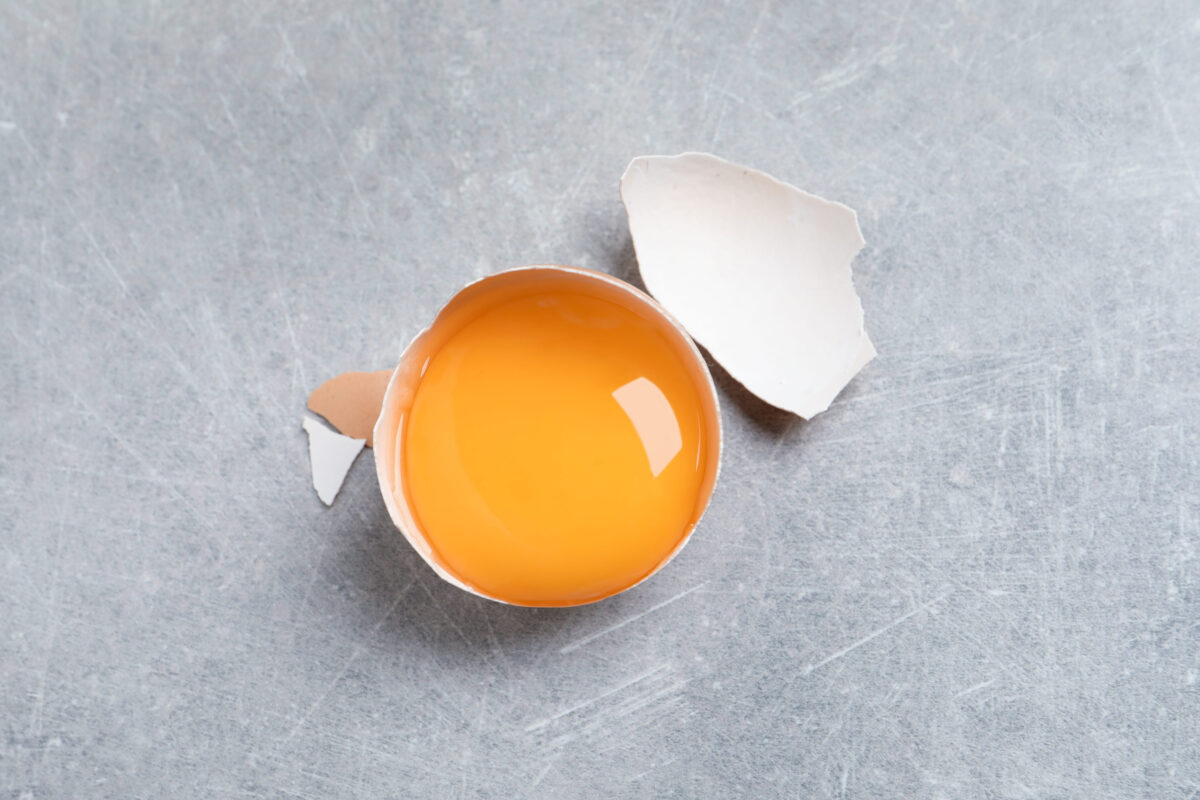
Eggs are kitchen staples, but they still deserve respect. Bacteria can enter through cracked shells, and poor handling can increase the risk. We should keep eggs in their original carton in the refrigerator, rather than in the door, where temperatures fluctuate more often. The carton also protects shells from odors and helps us track dates. A cracked egg should not be saved for later because the protective barrier has already failed.
Cooked egg dishes need careful storage. Quiches, breakfast casseroles, deviled eggs, egg salad, and custards should not sit out for hours at brunch, picnics, or holiday gatherings. Once eggs are cooked and mixed with other ingredients, they become perishable leftovers. We should refrigerate them within two hours and keep them covered. The fridge door may feel like a convenient egg showroom, but the safer approach is steadier temperature, cleaner handling, and faster storage.
Cut fruit that lingers too long.
Whole fruit often seems sturdy, but cut fruit changes the safety picture. Melon, pineapple, berries, mango, and fruit salad all become more vulnerable once their skins are broken and their flesh is exposed. Cutting transfers microbes from surfaces, knives, cutting boards, or hands onto moist fruit. Since cut fruit is usually eaten cold, there is no cooking step to reduce risk. We should refrigerate cut fruit quickly and keep it in clean, sealed containers.
Melons deserve extra attention because their rough rinds can hold dirt and bacteria. If the outside is not washed before slicing, a knife can drag contamination into the flesh. Pre-cut fruit from stores also needs careful timing because we do not control the cutting environment or how long it sat during transport. If cut fruit looks watery, smells fermented, or feels slimy, we should toss it. Sweetness should come from ripe fruit, not from a microbial science project.
Mushrooms that turn slimy
Mushrooms are porous, delicate, and moisture-loving, which makes them quick to deteriorate when stored poorly. Fresh mushrooms should be firm, dry, and earthy-smelling. Once they become slick, dark, mushy, or sour, they are past their best and may no longer be safe to eat. Plastic wrap can trap moisture, which can speed up sliminess. A paper bag or breathable container often keeps mushrooms in better condition.
Cooked mushrooms also need the same leftover discipline as other prepared foods. We should cool and refrigerate them quickly, especially if they are mixed into sauces, rice dishes, pasta, or casseroles. The fridge can make leftovers look frozen in time, but time keeps moving inside every container. If mushrooms have been hanging around long enough that no one remembers the meal they came from, they should go. No recipe needs that kind of mystery ingredient.
Opened milk and dairy drinks past their safe window
Milk, cream, yogurt drinks, and other dairy products can become unsafe when opened, left out, returned to the fridge, or used past their expiration date. Pasteurization reduces harmful bacteria, but it does not make dairy immortal. Each pour exposes the container to air, handling, and possible temperature changes. We should close caps tightly, avoid drinking from the container, and return dairy to the refrigerator quickly. The longer it sits warm on the counter, the shorter its safe life becomes.
Smell can help with spoiled milk, but it should not be the only judge. Some harmful bacteria do not create obvious warning signs. The safer habit is to follow date guidance, store dairy at 40°F or below, and avoid keeping opened products around just because they still look fine. Yogurt and cultured dairy can be confusing because tanginess is part of the flavor, so timing and storage matter even more. If dairy has been mishandled, the trash can is safer than wishful thinking.
Leftovers in uncovered bowls and mystery containers
Leftovers can save money, time, and weeknight sanity, but they become risky when we treat the fridge like a pause button. Cooked meat, casseroles, soups, pasta, rice, beans, sauces, and takeout should be cooled, covered, labeled, and eaten within a safe window. The biggest mistake is sliding an uncovered bowl into the fridge and assuming cold air will do the rest. Uncovered food can dry out, absorb odors, and become contaminated by drips, hands, and airborne particles inside the appliance.
We should store leftovers in shallow, airtight containers and label them with dates. That simple tape-and-marker habit removes the dangerous guessing game. Most refrigerated leftovers should be eaten within three to four days or frozen for longer storage. If we cannot remember when the food was cooked, we already have our answer. A refrigerator should not become an archive of forgotten dinners with unclear origins.
Final thoughts
The most dangerous foods in the refrigerator are not always the ones that look disgusting. Raw chicken, deli meat, soft cheese, cooked rice, leafy greens, sprouts, smoked seafood, eggs, cut fruit, mushrooms, dairy, and leftovers can all become risky under the wrong conditions. The refrigerator slows the clock, but it does not stop it. That is why temperature, timing, storage, and separation matter so much.