The Silent Health Risks Lurking in 7 Popular Instant Meals
Instant meals have become a key resource for busy Americans. From evening work sessions to hectic mornings, these convenient options promise speed and simplicity. Yet behind the quick-prep appeal, many of these meals conceal hidden threats to your health that most shoppers never notice.
The truth is, convenience frequently comes at a cost, and knowing these risks can help you make smarter choices without giving up your favorite quick fixes. Even when labels boast “low-fat” or “high-protein,” the reality inside the package tells a different story. Processed ingredients, hidden additives, and excessive sodium levels can quietly affect heart health, digestion, and overall well-being.
While research continues to reveal how diet shapes health outcomes, it’s clear that not all quick meals are harmless. Below, we explore seven popular instant meals Americans regularly eat and the hidden dangers you need to know about
Instant Ramen
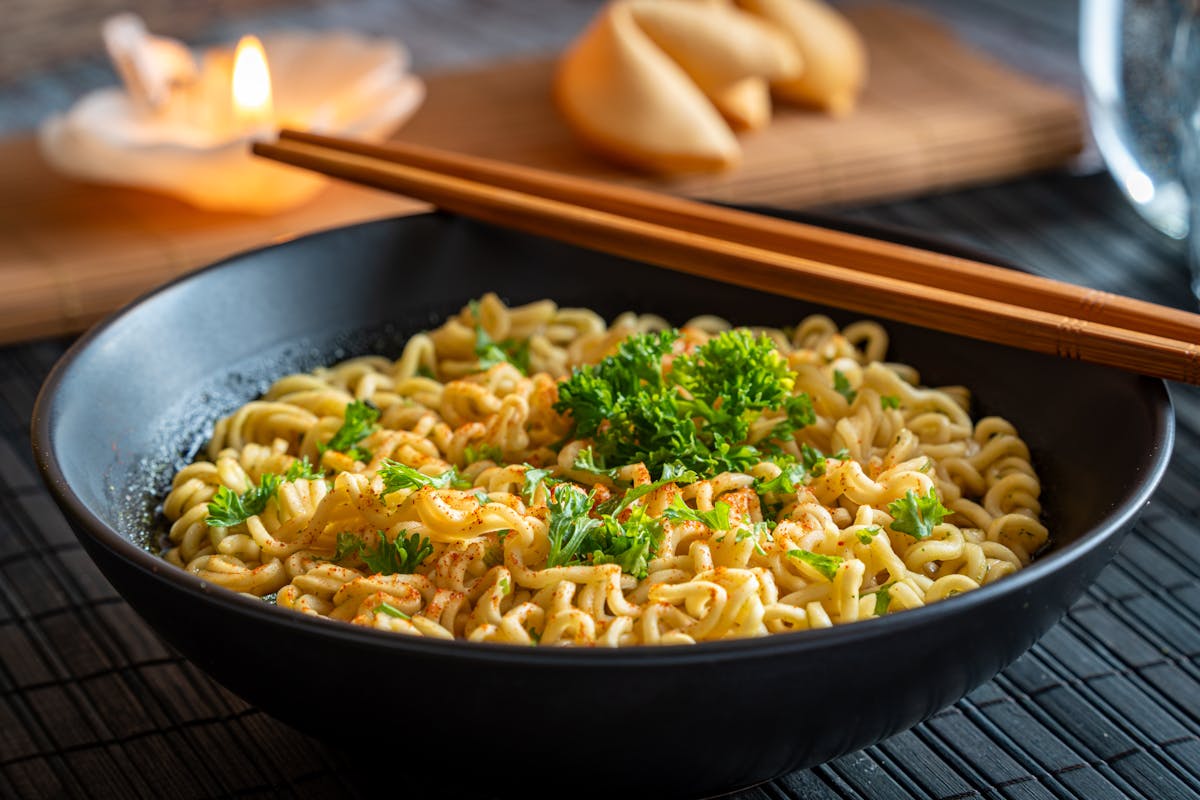
Instant ramen is synonymous with college dorm life, late-night cravings, and cost-effective dinners. But a single serving can contain over 1,800 milligrams of sodium, nearly 80% of the recommended daily limit, according to the American Heart Association. Excess sodium contributes to high blood pressure, increasing the risk of heart disease and stroke over time.
Beyond salt, ramen noodles are often fried in palm oil, introducing trans fats that raise LDL cholesterol while lowering HDL cholesterol. Frequent consumption may lead to weight gain, metabolic strain, and an increased risk of insulin resistance. Even though the quick boil and seasoning packet seem harmless, the cumulative effects on your heart and metabolism are far from negligible.
Frozen Mac and Cheese
Frozen macaroni and cheese offers comfort with minimal effort, but it also comes with hidden nutritional pitfalls. Many brands contain 25–30 grams of saturated fat per serving, exceeding the 100% daily recommended limit for adults. Saturated fat raises cholesterol levels and stresses the cardiovascular system.
Additionally, these meals rely heavily on preservatives and artificial flavor enhancers, including sodium phosphate and monosodium glutamate (MSG). Studies show MSG may trigger headaches and digestive discomfort in sensitive individuals, and excessive additives can burden liver function. One indulgent meal may seem innocent, but regular consumption quietly escalates cardiovascular and digestive risks.
Pre-Packaged Sandwiches

Grab-and-go sandwiches may appear healthy, especially those labeled as “whole grain” or “lean protein,” but processed meats inside are a hidden danger. The Centers for Disease Control and Prevention report that eating processed meats like ham, salami, or cold cuts more than twice a week can increase the risk of colorectal cancer.
Preservatives such as nitrates and nitrites, used to extend shelf life, can be converted to carcinogenic compounds in the digestive tract. Even with fresh vegetables included, the high sodium content and chemical additives counteract any possible benefits. Quick convenience comes with long-term health trade-offs.
Microwaveable Burritos
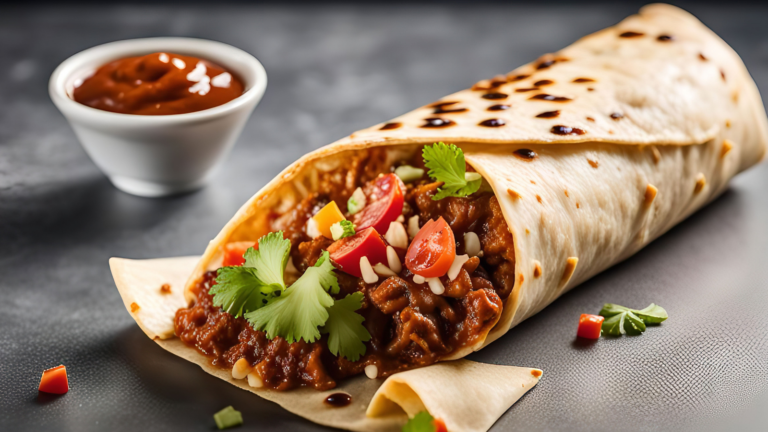
Microwave burritos are a staple for busy mornings, yet these handheld meals often pack over 1,000 calories with minimal fiber. The combination of refined flour tortillas and high-fat cheese or meats can raise blood sugar levels, promoting insulin resistance over time.
Furthermore, many brands rely on hydrogenated oils and sodium-laden sauces for flavor and preservation. Excessive sodium coupled with simple carbs can increase the risk of type 2 diabetes and cardiovascular disease. Even a single burrito may satisfy hunger, but it quietly taxes your body’s metabolic system.
Instant Oatmeal Packs

Instant flavored oatmeal packs may seem like a healthy breakfast shortcut, but sugar content can exceed 20 grams per serving. This is equivalent to five teaspoons of sugar, significantly higher than what nutritionists recommend for a single meal.
High sugar intake leads to blood sugar spikes and crashes, disrupting energy and appetite regulation. Wide varieties also contain artificial flavors, colorings, and stabilizers that offer no nutritional value. Even though oatmeal is naturally wholesome, these instant versions compromise its health benefits for convenience.
Frozen Pizza
Frozen pizza is a go-to for quick dinners, yet sodium and saturated fat levels can be astronomical. A single slice can deliver over 700 milligrams of sodium and 6 grams of saturated fat, which can strain the cardiovascular system if consumed regularly.
Processed cheese and cured meats worsen the problem by introducing nitrates and trans fats. These additives promote inflammation, oxidative stress, and increased risk of heart disease. While convenient and delicious, frequent frozen pizza meals quietly undermine heart and metabolic health over time
Canned Soup

Canned soups are marketed as a healthy, warming option, but most are high in sodium, often exceeding 900 milligrams per serving. High salt intake is linked to elevated blood pressure and long-term cardiovascular risk.
Many canned soups also contain flavor enhancers, starches, and preservatives that offer little nutritional value while taxing the liver and kidneys. Even low-fat or reduced-calorie versions can hide sugars and chemicals that compromise overall health. A pleasant bowl may satisfy hunger, but repeated consumption can silently impact wellness.
Final Thoughts
Instant meals are undeniably convenient, but their hidden risks, excessive sodium, saturated fat, and artificial additives pose real long-term health concerns.
Moderation, careful label reading, and occasional homemade alternatives can help minimize these silent dangers. By knowing what lurks inside these quick meals, we gain the power to make smarter choices without giving up convenience.